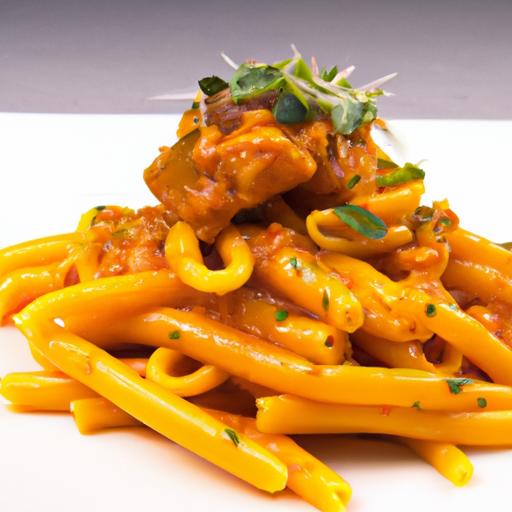

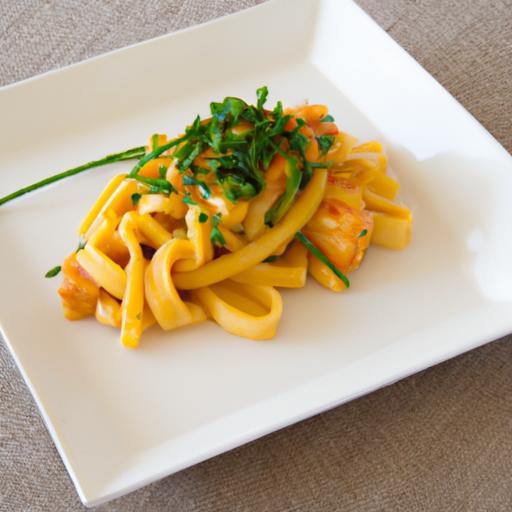
In the vast universe of culinary delights, where tradition meets innovation, a bold new flavor fusion is making waves: Gochujang pasta. This daring blend marries the rich, spicy-sweet complexity of Korean gochujang-a fermented red chili paste-with the comforting familiarity of Italian pasta.The result? A vibrant dish that excites the palate and challenges the conventional boundaries of global cuisine. In this article, we’ll take you on a flavorful journey to discover how this unexpected pairing creates a mouthwatering harmony, transforming everyday pasta into an unforgettable feast of spice, depth, and cultural fusion. Get ready to awaken your taste buds and explore the bold zest of gochujang pasta.
Gochujang pasta sauce marries the fiery depth of Korean chili paste with the comforting allure of Italian pasta, creating a dish that bursts with bold flavor and intriguing cultural fusion. This recipe unlocks the secrets behind gochujang’s rich, umami-packed profile and teaches you how to craft a luscious, spicy sauce that elevates your everyday pasta into a culinary adventure.
Prep and Cook Time
- Preparation: 10 minutes
- Cooking: 20 minutes
- Total Time: 30 minutes
Yield
serves 4 generous portions
Difficulty Level
Medium – approachable for home cooks seeking to experiment with spice fusion
Ingredients
- 400g spaghetti or linguine (preferably al dente)
- 3 tbsp gochujang (Korean red chili paste)
- 1/4 cup soy sauce
- 2 tbsp rice vinegar
- 1 tbsp honey or maple syrup
- 3 cloves garlic, minced
- 1 tbsp sesame oil
- 1/2 cup heavy cream or coconut cream (for a dairy-free option)
- 1 tbsp vegetable oil
- 1/4 cup chopped scallions
- 1 tsp toasted sesame seeds
- Freshly ground black pepper, to taste
- Optional: 1/2 cup cooked shrimp, chicken, or mushrooms for added protein
Instructions
- Cook the pasta: Bring a large pot of salted water to a boil. Add spaghetti and cook according to package instructions until al dente. Drain and reserve 1 cup of pasta water for the sauce.
- Prepare the sauce base: In a large skillet over medium heat, warm vegetable oil and sesame oil. Add the minced garlic and sauté until fragrant, about 1 minute, stirring constantly to prevent burning.
- Mix the sauce: Stir in gochujang, soy sauce, rice vinegar, and honey. Cook for 2 minutes while stirring, allowing the sauce to slightly thicken and the flavors to meld beautifully.
- Add cream: Lower the heat and slowly whisk in the heavy cream (or coconut cream).Stir continuously until the sauce is smooth and velvety,about 2 minutes.
- Combine pasta and sauce: Add the drained pasta to the skillet along with a few tablespoons of the reserved pasta water. Toss gently to coat the noodles evenly. Adjust the sauce consistency by adding more pasta water if needed for a glossy finish.
- Add protein (optional): If using shrimp, chicken, or mushrooms, add now and gently fold them into the pasta until warmed through.
- Finish and garnish: Remove from heat and season with freshly ground black pepper. sprinkle chopped scallions and toasted sesame seeds on top for a brilliant contrast in texture and color.
- Serve promptly: Plate the pasta using tongs to create elegant twirls for a restaurant-worthy presentation.
Tips for Success
- Use high-quality gochujang for a more vibrant and balanced heat; some brands are sweeter, others smokier-choose your preference!
- For a vegan-pleasant version, substitute heavy cream with full-fat coconut milk to maintain creamy richness without dairy.
- Reserve pasta water carefully; its starchy content is your secret weapon for melding sauce and noodles with silky cohesion.
- If you like milder heat, start with 2 tablespoons of gochujang and increase to taste.
- Make ahead by preparing the sauce in advance and storing it separately; reheat gently with a splash of pasta water before combining.
Serving Suggestions
This sauce shines best with simple spaghetti or linguine, but feel free to experiment with smaller shapes like fusilli or gemelli that hold sauce beautifully. Serve it alongside lightly dressed green salad for freshness or roasted vegetables to complement the spicy depth. Garnishing with julienned nori sheets or a drizzle of chili oil can add a refined final flair.
| Nutrient | Per Serving |
|---|---|
| Calories | 450 kcal |
| Protein | 12 g |
| Carbohydrates | 65 g |
| Fat | 12 g |

For more inspiration on combining global flavors with classic dishes, check out our Asian-Italian fusion recipes.To dive deeper into the health benefits and authentic history of gochujang, visit Korean Bapsang’s detailed guide.
Q&A
Q&A: Spice Fusion – Discover the Bold Flavor of Gochujang Pasta
Q1: What exactly is gochujang, and why is it a game-changer in pasta dishes?
A: Gochujang is a fermented Korean chili paste known for its deep, complex flavor-think spicy, sweet, and umami all rolled into one vibrant red dollop.When introduced to pasta,it transforms the dish from familiar to fearless,creating a bold fusion that excites the palate with every bite.
Q2: How does gochujang pasta differ from traditional Italian pasta?
A: Unlike classic Italian sauces that typically lean on tomatoes, cream, or olive oil, gochujang pasta uses the fiery, tangy Korean chili paste as its star ingredient. This brings a punch of heat and a subtle sweetness that blend seamlessly with the pasta’s comforting texture, resulting in a unique East-meets-West culinary adventure.
Q3: Is gochujang pasta challenging to make at home?
A: Not at all! Gochujang pasta is surprisingly easy to whip up. With just a few pantry staples-gochujang, garlic, soy sauce, a touch of sugar, and your favorite noodles-you can create a flavorful dish in under 30 minutes. It’s perfect for home cooks eager to spice up their weeknight dinners.
Q4: What types of pasta work best with gochujang sauce?
A: While gochujang pairs well with most pasta shapes, sturdier noodles like spaghetti, linguine, or even thicker udon-style noodles hold the sauce beautifully. The key is to choose a pasta that can carry the rich, sticky sauce without getting lost.
Q5: Can gochujang pasta be customized for different taste preferences?
A: Absolutely! For those new to spicy food, start with a smaller amount of gochujang and balance it with cream or coconut milk to mellow the heat. If you love bold flavors, add extra chili flakes or a splash of vinegar for zing. Toppings like toasted sesame seeds, scallions, or crispy fried shallots add texture and elevate the dish further.
Q6: Is gochujang pasta a good option for vegetarians or vegans?
A: Yes! Gochujang itself is plant-based, and you can easily keep this dish vegan by opting for plant-based noodles and skipping any cheese toppings. Add vegetables like bell peppers, mushrooms, or spinach to boost nutrition and flavor.
Q7: Where can I find gochujang paste to start experimenting?
A: Gochujang is widely available at Asian grocery stores, specialty markets, and many mainstream supermarkets in the international foods aisle.You can also order it online-just look for a reputable brand with a balanced flavor profile for the best results.
Q8: What makes gochujang pasta a perfect dish for food lovers seeking new experiences?
A: It’s the ultimate flavor collision-comforting pasta meets electrifying Korean spice. Gochujang pasta invites you to embark on a culinary journey that’s both familiar and adventurous, making it perfect for anyone eager to awaken their taste buds and break free from the ordinary.
In Summary
In the vibrant world of culinary exploration, Gochujang pasta emerges as a bold ambassador of flavor fusion-where the fiery, savory depths of Korean chili paste meet the comforting embrace of Italian tradition. This daring combination invites both adventurous food lovers and curious cooks to reimagine pasta with a spirited twist that awakens the palate and enlivens the senses. Whether you’re seeking to spice up your weeknight dinners or impress guests with an unexpected delight,Gochujang pasta proves that innovation on the plate is a journey worth savoring. So next time you crave something beyond the ordinary, let this spirited dish be your gateway to a delicious adventure where East meets West in perfect, flavorful harmony.