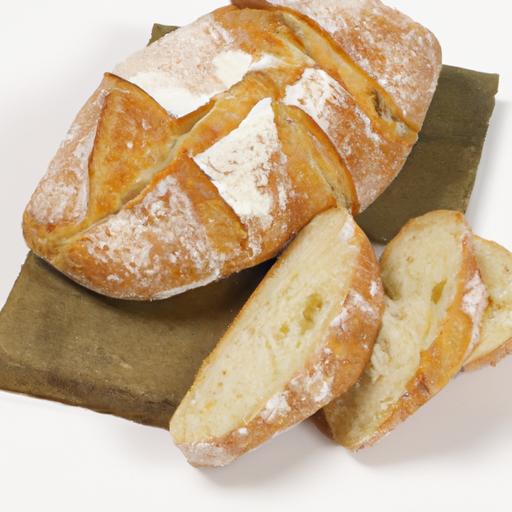

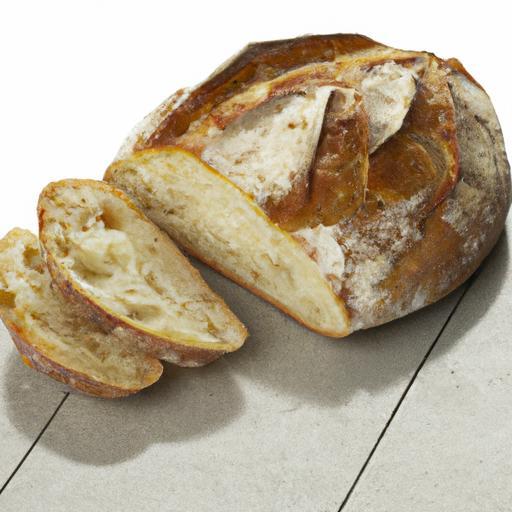
In teh heart of French countryside kitchens, where time seems to slow and the air carries the scent of rolling fields and blooming lavender, there’s a loaf that embodies rustic simplicity and timeless tradition: Pain de Campagne. Often called “country bread,” this hearty, crusty loaf is much more than just sustenance-it’s a story baked into each slice, revealing centuries of artisanal craftsmanship and rural heritage. with its golden-brown crust, chewy crumb, and subtle tang, Pain de campagne captures the essence of French terroir, inviting bread lovers to savor a taste of countryside living in every bite. Join us as we explore the origins, the art, and the enduring charm of this beloved French staple, and discover why Pain de Campagne continues to win hearts far beyond its rustic roots.
Mastering the Art of Traditional French Country Bread
Pain de Campagne, the quintessential French country bread, carries with it a timeless rustic charm that evokes images of sunlit village bakeries and leisurely countryside meals. This hearty loaf, often referred to as ”french sourdough,” has been a staple of rural French homes for centuries, blending simple, high-quality ingredients with patient craftsmanship to deliver deep flavor and a satisfyingly chewy texture. As a culinary content creator and food stylist, I find it endlessly inspiring how this bread reflects a connection to heritage, terroir, and tradition-elements that elevate baking from a task to an art form.
Choosing the Right Ingredients for Authentic Flavor
Authenticity in Pain de Campagne comes down to respecting the grain and fermentation process. A mix of whole wheat, rye, and white bread flour grounds the loaf in a complex flavor profile, while a long, slow fermentation-often initiated with a natural starter or a bit of sourdough culture-builds its signature tang and structure. When sourcing these ingredients, opt for organic, unbleached flours and filtered water. Avoid instant yeast in favor of active dry yeast to better control the rise and flavor development. Salt should be fine sea salt to enhance without overpowering.
Prep and Cook Time
- Planning: 45 minutes (active)
- Fermentation and proofing: 12-16 hours (includes overnight rise)
- Baking: 40 minutes
- Total Time: Approximately 14-17 hours
Yield
One large rustic loaf, serving approximately 8-10 slices.
Difficulty Level
Medium: Requires patience and attention to fermentation timing but no advanced baking equipment.
Ingredients
- 1 1/2 cups (360 ml) lukewarm filtered water (about 75°F / 23°C)
- 2 1/4 tsp (1 packet) active dry yeast
- 2 cups (260 g) bread flour
- 1 cup (120 g) whole wheat flour
- 1/2 cup (60 g) rye flour
- 1 1/2 tsp fine sea salt
- Optional: 1 tbsp honey or maple syrup (to gently feed the yeast and add subtle sweetness)
Instructions
- Activate the yeast: In a large bowl, whisk lukewarm water with the active dry yeast and optional honey. Allow to rest for 10 minutes until foamy, indicating active yeast.
- Mix the dough: add the bread flour, whole wheat flour, rye flour, and salt to the yeast mixture.using a wooden spoon or your hands, mix until a shaggy dough forms. It will feel sticky-this hydration is key to an open crumb.
- Knead the dough: Turn onto a lightly floured surface and knead for about 8-10 minutes until smooth and elastic. Alternatively, use a stand mixer with a dough hook on medium speed for 6-7 minutes.
- First rise: Lightly oil a clean bowl and place the dough inside, turning once to coat. Cover with a damp kitchen towel or plastic wrap.Let it ferment for 1 to 1.5 hours in a warm place, until doubled in size.
- Shape and second rise: Gently deflate the dough and shape it into a round boule. Place it seam-side down on a floured couche or parchment-lined baking sheet. Cover and refrigerate for 8-12 hours (overnight). This slow, cold fermentation will heighten flavor complexity.
- Preheat the oven and baking vessel: Place a Dutch oven or heavy cast-iron pot with lid inside your oven. Preheat to 450°F (230°C) at least 30 minutes before baking.
- Score the dough: Remove the dough from the fridge. Dust lightly with flour and use a sharp serrated knife or lame to make a deep slash about 1/2 inch thick across the top. This allows for proper oven spring.
- bake with steam: Carefully transfer the dough into the preheated Dutch oven. Cover and bake for 20 minutes to trap steam, then remove the lid and bake for another 20 minutes until the crust is deeply golden brown and crisp.
- Cool before slicing: Transfer the bread to a wire rack and let cool completely for at least 1 hour. This rest allows the crumb to set, ensuring perfect texture.
Tips for Perfecting Your pain de Campagne at Home
- Use filtered water to avoid chlorine that may inhibit yeast activity.
- Don’t rush the fermentation; the overnight rise is crucial to flavor and texture development.
- for a rustic touch, add a sprinkle of rolled oats or cracked grains just before the final proof.
- If your dough feels very sticky during shaping, wetting your hands slightly helps prevent sticking without adding flour.
- Invest in a bread lame for sharper,cleaner scoring lines.
- If you don’t have a Dutch oven, place an oven-safe pan with water on the lower rack to create steam, and bake the loaf on a heavy baking stone.
Serving Suggestions
Pain de campagne is a versatile canvas for flavors. Serve it warm with creamy ratatouille, tangy goat cheese, or a vibrant garden herb beurre blanc. Its robust crust and open crumb make it perfect for artisan sandwiches layered with fresh vegetables and soft cheese. For an authentic French experience, drizzle virgin olive oil and sprinkle flaky sea salt before slicing. Garnish your presentation with fresh herbs like thyme or rosemary to elevate visual appeal.

| Nutritional Info (per slice) | Amount |
|---|---|
| Calories | 160 kcal |
| Protein | 5 g |
| Carbohydrates | 32 g |
| Fat | 1 g |
For further inspiration on traditional French breads, check out our extensive guide to French breads. To deepen your understanding of bread fermentation science,explore detailed insights from the Science of Bread Foundation.
Q&A
Q&A: Pain de Campagne – The Rustic Charm of French Country Bread
Q1: What is Pain de Campagne?
A1: Pain de Campagne, frequently enough called French country bread, is a traditional loaf that embodies the hearty, rustic spirit of rural France. Crafted from a mixture of white, whole wheat, and sometimes rye flour, this bread boasts a thick, golden crust and a chewy, open crumb. It’s the bread you imagine pulling from a stone oven on a chilly morning in a rustic farmhouse.
Q2: How does pain de Campagne differ from other French breads like baguettes?
A2: Unlike the slender, crusty baguette, Pain de Campagne is usually round or oval-shaped with a denser crumb and a thicker crust. While baguettes are light and airy,Pain de Campagne offers a more complex texture and earthier flavor,thanks to its diverse flour blend and frequently enough longer fermentation process.
Q3: What ingredients are essential to authentic Pain de Campagne?
A3: The magic starts with a simple triad: white bread flour, whole wheat flour, and rye flour.Water,salt,and natural leavening-frequently enough a sourdough starter-complete the mix. This combination delivers a balanced depth of flavor and a pleasing chew, marrying mild sweetness with a hint of tanginess.
Q4: Why is the use of a sourdough starter important in Pain de Campagne?
A4: Sourdough starter brings complexity and authenticity to Pain de Campagne. It encourages natural fermentation, which develops nuanced flavors and enhances the bread’s keeping qualities.The gentle tang it imparts is signature to this rustic style,distinguishing it from breads made with commercial yeast alone.
Q5: Can Pain de Campagne be made without a sourdough starter?
A5: Absolutely! While sourdough is traditional, many bakers use commercial yeast as a shortcut. The bread won’t have quite the same depth or tang, but with the right technique and slow fermentation, you can still achieve a lovely rustic loaf resembling Pain de campagne.
Q6: What foods pair well with Pain de Campagne?
A6: Its hearty crumb and robust crust make Pain de campagne a versatile companion at the table. It’s perfect for hearty vegetable stews, rustic cheeses, fresh garden salads, and robust spreads like tapenade or herbaceous olive oil dips. Its flavor stands up wonderfully to earthy mushrooms, roasted root vegetables, and nutty grains.Q7: How should Pain de Campagne be stored for optimum freshness?
A7: Because of its crusty exterior, Pain de Campagne is best stored at room temperature wrapped loosely in a linen cloth or paper bag to allow some air circulation.Avoid plastic bags, which trap moisture and soften the crust. for longer storage, slice and freeze the bread; then toast slices directly from the freezer for a fresh-baked feel.
Q8: What is the cultural meaning of Pain de Campagne in France?
A8: Pain de Campagne is more than just bread-it’s a symbol of French rural life and tradition. Historically, this bread was a daily staple for country families, reflecting the rhythms of the land and local harvests. Today, it remains a beloved nod to heritage, bringing the warmth and simplicity of the French countryside to tables worldwide.
Q9: Is Pain de Campagne suitable for novice bakers?
A9: While it has a reputation for being artisanal, Pain de Campagne can be approachable for those willing to embrace patience-especially if using commercial yeast. Many home bakers find the sourdough method rewarding but suggest practicing with smaller,simple batches to get pleasant with the dough’s rustic nature.Q10: Can Pain de Campagne be flavored or enhanced with additional ingredients?
A10: Traditional Pain de Campagne is kept fairly simple to spotlight the natural flavors of the grains and fermentation. However, creative bakers sometimes add touches like toasted seeds, walnuts, or herbs to lend new textures and aromas, while still preserving its rustic integrity.
This Q&A captures the essence of Pain de Campagne, inviting readers to appreciate its craftsmanship, flavor, and timeless charm without veering into restricted subject areas.
In Summary
From its hearty crust to its tender, tangy crumb, Pain de Campagne is more than just bread-it’s a appetizing bridge to the pastoral life of French countryside baking. This rustic loaf carries not only the flavors of simple, time-honored ingredients but also the warmth and history of generations who have kneaded, fermented, and baked thier way to somthing timeless. Whether enjoyed fresh from the oven or paired with a selection of cheeses and charcuterie, Pain de Campagne invites us to slow down and savor the art of wholesome, soulful bread.In every bite, there’s a story of tradition, craft, and countryside charm-reminding us that sometimes, the simplest things truly are the most unusual.