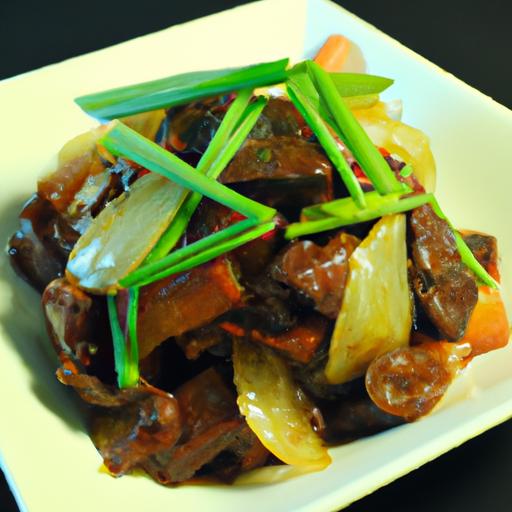

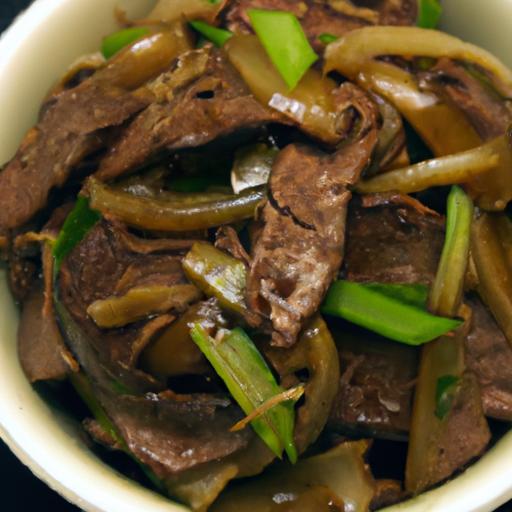
Step into a world where bold flavors meet tender textures, where every bite tells a story of tradition and vibrant culinary heritage. “Savor the Flavor: Authentic Mongolian Beef with Scallions” invites you on a appetizing journey through one of Asia’s most beloved dishes. Far from the sweet, sticky versions often found in Western restaurants, authentic Mongolian beef is a harmonious blend of rich soy-based sauces, perfectly seared beef strips, and the fresh, aromatic punch of scallions. In this article, we’ll explore the origins of this savory classic, reveal the secrets behind its distinctive flavor profile, and guide you through crafting your own mouthwatering version at home-bringing a true taste of Mongolia to your table.
Savor the Flavor: Authentic Mongolian Beef with Scallions
Savor the flavor of authentic Mongolian beef with scallions-an irresistible dish that brings together tender, caramelized slices of beef enveloped in a rich, umami-packed sauce. Originating from Taiwanese-American cuisine, this beloved recipe has won hearts worldwide, and today, it’s time to master it at home with ingredients and techniques that elevate every bite. Whether you’re craving dinner with family or impressing friends, this detailed guide ensures you unlock the genuine depth and texture that define conventional Mongolian beef.
Prep and Cook Time
- Planning: 20 minutes
- marinating: 30 minutes to 1 hour
- Cooking: 10 minutes
- Total Time: Approximately 1 hour 30 minutes
Yield
Serves 4 generously, perfect for pairing with steamed jasmine rice or garlic noodles.
difficulty Level
Medium – Ideal for home cooks comfortable with marinating and stir-frying techniques.
Sourcing the Finest Ingredients
Every great dish begins with quality ingredients. For authentic Mongolian beef with scallions, choose grass-fed flank steak or sirloin-these cuts offer the best balance of tenderness and flavor when sliced thinly against the grain. Fresh scallions are crucial; look for vibrant green, crisp stalks that add a fresh bite and subtle sharpness to the dish. Dark soy sauce brings the dish its signature depth,so select a naturally brewed variety with robust umami. Fresh ginger and garlic should be fragrant and firm-key aromatics that elevate the marinade and sauce.
Mastering the Perfect Marinade to Unlock Deep Flavors
Marinating the beef is essential to infuse complexity and enhance tenderness. A blend of soy sauce, brown sugar, minced garlic, fresh ginger, and a touch of cornstarch helps coat each slice in a glossy, flavorful shield. The brown sugar caramelizes during cooking,creating those luscious sweet-savory notes that define this dish. Be patient- allowing the beef to soak in the marinade for at least 30 minutes guarantees that every morsel bursts with flavor. For an extra boost, a splash of oyster sauce adds subtle depth without overpowering the classic profile.
Techniques for Achieving Ideal Tenderness and Texture
Thin, uniform slicing is the foundation for perfect texture. Before cutting, partially freeze your beef for about 30 minutes-this makes it easier to slice paper-thin. Toss the slices gently with cornstarch to form a delicate crust when stir-fried, locking in juices and creating that addictive chew. When cooking, use a hot wok or skillet and stir-fry in small batches to avoid overcrowding, which causes steam and toughens the meat. Swift, high-heat cooking ensures a beautifully browned exterior while keeping the inside luscious and tender.
Elevating the Dish with Fresh Scallions and Complementary Garnishes
Scallions are more than just a garnish here-they provide a bright contrast and mild pungency that cuts through the richness.Slice them diagonally for a visually appealing presentation and toss them in the wok just before finishing, preserving their crisp texture and vibrant color. Complement with toasted sesame seeds for subtle nuttiness and a dash of crushed red pepper flakes if you crave heat.A sprinkle of fresh cilantro or a drizzle of toasted sesame oil adds layers of aromatic complexity, rounding out a dish that’s modern yet deeply rooted in tradition.
Ingredients
- 1 lb flank steak, thinly sliced against the grain
- 3 tbsp soy sauce, naturally brewed
- 2 tbsp brown sugar, packed
- 1 tbsp oyster sauce (optional, for depth)
- 1 tsp cornstarch, for marinade
- 1 tbsp cornstarch, for coating beef
- 4 cloves garlic, minced
- 1 tbsp fresh ginger, finely grated
- 1/2 cup water or low-sodium beef broth
- 4 tbsp vegetable oil, divided
- 1 large bunch scallions, sliced diagonally (white and green parts separated)
- 1/2 tsp crushed red pepper flakes (optional)
- Toasted sesame seeds, for garnish
- Salt and freshly ground black pepper, to taste
Instructions
- Partially freeze the flank steak for about 30 minutes for easier slicing. Slice very thinly against the grain into 1/8-inch strips.
- In a bowl, whisk together 3 tbsp soy sauce, 2 tbsp brown sugar, 1 tbsp oyster sauce, 1 tsp cornstarch, minced garlic, and grated ginger to create the marinade.
- Add the sliced beef to the marinade, mix to coat well, and let rest for 30 minutes to 1 hour in the refrigerator.
- Before cooking, toss the marinated beef strips with 1 tbsp cornstarch to form a light, even coating to lock in moisture during stir-frying.
- Heat 2 tbsp vegetable oil in a large wok or skillet over high heat until shimmering. Stir-fry the beef in small batches, spreading the strips out, until browned and just cooked through, about 2-3 minutes. Remove and set aside.
- Add remaining 2 tbsp oil to the wok, sauté the white parts of the scallions until softened, about 1 minute.
- Pour in 1/2 cup water or beef broth to deglaze the pan, scraping up browned bits. Bring to a simmer and add the browned beef back in, tossing to coat and heat through, about 1 minute.
- Stir in the green parts of the scallions and optional crushed red pepper flakes. Cook for another 30 seconds for the scallions to retain their crunch and vivid color.
- Adjust seasoning with salt and pepper if needed. Remove from heat and sprinkle generously with toasted sesame seeds.
- Serve immediately over steamed rice or your choice of noodles, garnished with extra scallions and sesame seeds for a stunning presentation.
Chef’s Notes: Tips for Success
- Freeze the beef briefly-not too long-to ensure razor-thin slicing without tearing.
- If oyster sauce is not available, a splash of light soy sauce or mushroom soy sauce provides a delicate umami boost.
- Be sure the wok is very hot before adding beef to avoid steaming instead of searing.
- For a gluten-free version, substitute tamari for soy sauce and ensure oyster sauce is gluten-free.
- Make the marinade ahead and refrigerate overnight for even deeper flavor penetration.
Serving Suggestions
Present your authentic Mongolian beef with scallions alongside fragrant jasmine rice or chilled sesame noodles for a contrasting temperature and texture. garnish plates with additional freshly chopped scallions and a scattering of toasted sesame seeds for eye-catching appeal and bursts of flavor. serve with stir-fried bok choy or steamed broccoli to add freshness and balance the richness of the beef.
| Nutrient | Per Serving |
|---|---|
| Calories | 320 kcal |
| Protein | 36 g |
| Carbohydrates | 15 g |
| Fat | 12 g |
Explore more easy Chinese recipes for weeknight inspiration.Learn the science behind the marinade here at Serious Eats.

Q&A
Q&A: Savor the Flavor – Authentic mongolian beef with Scallions
Q1: What makes Mongolian beef with scallions so uniquely delicious?
A1: The magic lies in the perfect balance of savory, sweet, and aromatic flavors. Tender slices of beef are seared quickly to lock in juiciness, then bathed in a rich, caramelized soy-based sauce highlighted by the fresh, slightly pungent crunch of scallions. These elements combine to create a dish that’s both bold and comforting-an unforgettable harmony of textures and tastes.
Q2: Is Mongolian beef traditionally spicy?
A2: Authentic Mongolian beef isn’t typically spicy; it leans on the deep umami of soy sauce and the subtle sweetness often added with brown sugar or hoisin. However, you can add a touch of chili flakes or fresh ginger if you prefer a bit of heat, but the classic dish stands out mainly for its savory-sweet profile with scallions providing freshness.
Q3: What cut of beef works best for this recipe?
A3: Choosing the right cut is key to tender results. flank steak or sirloin are popular choices because they’re lean, flavorful, and slice thinly against the grain. This allows for fast cooking that keeps the beef tender rather than tough or chewy.
Q4: Why are scallions an essential ingredient in Mongolian beef?
A4: Scallions offer a refreshing contrast to the rich sauce. when cooked just right, their bright green stalks remain slightly crisp, adding texture, while the white parts release a mild oniony sweetness that layers beautifully with the savory sauce. They’re the green heartbeat that enlivens the dish.
Q5: Can Mongolian beef be prepared in advance for meal prepping?
A5: Absolutely! The sauce and beef can be cooked and refrigerated separately, then combined and quickly reheated with fresh scallions just before serving. This approach helps maintain the signature crispness of the scallions and preserves the tenderness of the beef, making it an excellent choice for flavorful, convenient meals.
Q6: What sides complement Mongolian beef with scallions best?
A6: Steamed jasmine rice or fluffy brown rice soak up the luscious sauce beautifully. For a balanced plate, pair it with simple stir-fried vegetables like bok choy, snap peas, or broccoli. The clean, fresh veggies offer a crisp counterpoint to the rich, savory beef.
Q7: Are there any tips for achieving that signature caramelized sauce?
A7: Yes! Cook the sauce over medium-high heat to encourage browning and reduction without burning. Adding a bit of brown sugar or maple syrup helps create that glossy, sticky glaze. Also, allow the beef to sear undisturbed the first time you place it in the pan; this develops a flavorful crust that enhances the entire dish.
Q8: How can vegetarians enjoy a version of Mongolian beef?
A8: For a meat-free twist, hearty mushrooms like shiitake or portobello can replace beef, offering a satisfying umami flavor and meaty texture.Marinate and cook them similarly, then toss with scallions and sauce just before serving for a delicious, plant-based alternative that captures the spirit of the dish.
Q9: What is the historical origin of Mongolian beef?
A9: Despite its name, Mongolian beef is actually a modern dish rooted in Taiwanese-American cuisine rather than traditional Mongolian cooking. It draws inspiration from Chinese stir-fry techniques and flavors, creating a globally beloved dish that fuses savory sauce and quick-cooked beef with fresh ingredients like scallions.
Q10: How crucial is knife technique when preparing Mongolian beef?
A10: Very important! Thinly slicing the beef against the grain ensures tenderness and even cooking. Similarly, cutting scallions uniform in size helps them cook consistently and look visually inviting. Sharp knives and steady hands make a big difference in texture and presentation.
This Q&A helps demystify the art and flavor of Mongolian beef with scallions, inviting you to savor every authentic bite with confidence and creativity.
To Wrap It Up
As the sizzling aroma of tender beef mingled with the crisp bite of scallions fades from your kitchen, you’re left with more than just a satisfied appetite-you carry forward a taste of mongolian culinary tradition. This dish, simple yet rich in flavor, invites you to explore the harmony of ingredients that have delighted palates for generations. Whether shared over a family dinner or a quiet meal for one, authentic Mongolian beef with scallions is a celebration of bold, balanced flavors that transcend borders. So next time you crave something savory and soulful, remember: the essence of Mongolia’s vibrant food culture is never more than a skillet away.