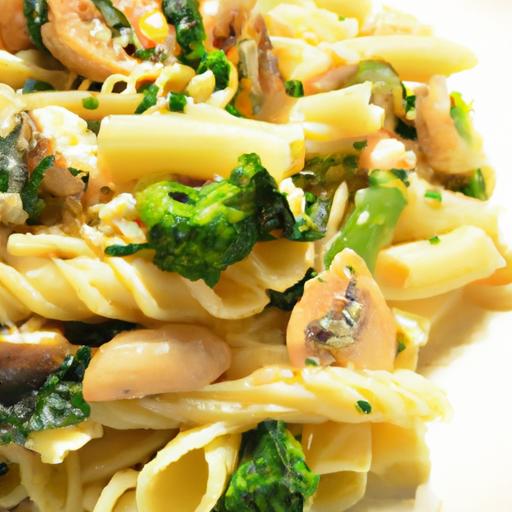

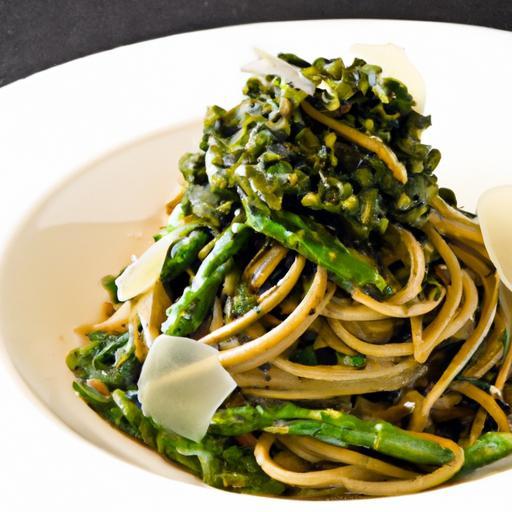
In the ever-evolving world of culinary innovation, where tradition meets daring creativity, a new flavor sensation is captivating adventurous palates: Fusion Flavor’s latest marvel, pasta Tossed in Wasabi Soy Glaze Magic. Imagine al dente pasta enveloped in a glossy,tantalizing glaze that melds the sharp,invigorating bite of wasabi with the deep,savory richness of soy sauce. This unexpected combination elevates a familiar staple into an unusual dining experience, where east meets West in a harmonious dance of spice, umami, and texture. Join us as we unravel the story behind this delectable fusion and explore how a simple pasta dish can be transformed into a bold statement of flavor artistry.
Fusion Flavor: Pasta Tossed in Wasabi Soy Glaze Magic
Fusion Flavor: Pasta Tossed in Wasabi Soy Glaze Magic brings a dynamic and bold taste to your dinner table. By marrying the sharp, invigorating bite of wasabi with the deep, savory undertones of soy sauce, this dish unleashes an extraordinary umami experience that awakens the palate while maintaining an elegant balance of heat and harmony.
Prep and Cook Time
- Prep Time: 15 minutes
- Cook Time: 12 minutes
- Total Time: 27 minutes
Yield
Serves 4 generous portions
Difficulty Level
Medium – approachable for adventurous cooks ready to master balanced bold flavors
Ingredients
- 12 oz linguine or soba noodles, cooked al dente
- 3 tbsp soy sauce (preferably low sodium)
- 1 ½ tbsp wasabi paste (adjust according to heat preference)
- 2 tbsp mirin or honey for natural sweetness
- 2 tbsp toasted sesame oil
- 1 clove garlic, finely minced
- 1 tsp freshly grated ginger
- 1 tbsp toasted sesame seeds
- 2 scallions, thinly sliced on the bias
- 1 small carrot, julienned (optional for crunch and color)
- Fresh cilantro or shiso leaves for garnish
- Cracked black pepper to taste
Instructions
- Prepare the pasta: Cook your linguine or soba noodles according to package instructions until al dente. Drain and reserve ½ cup of the pasta water for adjusting glaze consistency.
- Mix the glaze: In a medium bowl, whisk together soy sauce, wasabi paste, mirin, and sesame oil until smooth. Taste and adjust the wasabi level depending on your desired heat intensity.
- Sauté aromatics: Heat a large skillet over medium heat. Add a touch of sesame oil and sauté the minced garlic and grated ginger for about 1 minute until fragrant but not browned.
- Toss the pasta: Add the cooked noodles to the skillet, then pour the wasabi soy glaze over them. Toss thoroughly to coat, adding reserved pasta water a tablespoon at a time to ensure a silky, not sticky, texture.
- Add fresh crunch: Stir in julienned carrots and sliced scallions, cooking briefly (1-2 minutes) just to warm without losing their bright color and crispness.
- Finish and garnish: Remove from heat and sprinkle with toasted sesame seeds,freshly cracked black pepper,and a handful of chopped cilantro or shiso leaves for vibrant aroma and freshness.
Chef’s Notes
- Balance the heat: Wasabi paste varies in intensity. Start with 1 tbsp if sensitive to spice and build up gradually.
- Variation tips: Try substituting soba noodles for a nuttier tone or rice noodles for gluten-free options.
- Make-ahead suggestion: Prepare the wasabi soy glaze up to 2 days in advance and refrigerate in an airtight container to deepen the flavors.
- Umami boosters: A small dash of mushroom powder or a sprinkle of toasted nori flakes can elevate the savory notes further.
- Vegetable additions: Thinly sliced snap peas or bell peppers add delightful color and texture contrasts.
Serving Suggestions
Present this vibrant dish in shallow bowls to showcase the glossy wasabi soy coating. Garnish with an extra drizzle of toasted sesame oil and a wedge of lime for an optional citrus lift. Pair with a crisp cucumber salad or miso soup for a full fusion feast. For added protein, consider topping with seared tofu cubes or lightly pan-fried shrimp, avoiding pork or wine-based ingredients to maintain the dish’s clean, bright profile.
| Nutrient | per Serving |
|---|---|
| Calories | 380 kcal |
| Protein | 12 g |
| Carbohydrates | 58 g |
| Fat | 10 g |

Selecting the Ideal Pasta Varieties to Complement Sharp and Savory Notes
Choosing a pasta that carries the boldness of the wasabi soy glaze without overpowering it is crucial. Linguine and soba noodles work beautifully as they offer a smooth surface that clings to the glaze evenly. soba’s subtle earthiness further complements the umami-rich soy. For those craving even more texture contrast, hand-cut pappardelle or rigatoni can offer pockets for the glaze to settle.
Expert Tips for Balancing Heat and Umami in Fusion Pasta Creations
When working with intense ingredients like wasabi and soy, the goal is to create harmony, not overwhelm. Always build heat gradually and soften it with the sweetness of mirin or honey. Incorporating fresh herbs and crunchy vegetables provides relief and freshness. The reserved pasta water is a secret weapon; it tames the glaze and ensures each strand is perfectly coated without drying out.
For anyone eager to deepen their knowlege of Asian flavor techniques applied to pasta, consider exploring our detailed guide on Asian Flavors Meet Italian Pasta. Additionally, [Serious Eats](https://www.seriouseats.com) offers excellent insights into wasabi planning and cooking tips that enhance any recipe.
Q&A
Q&A: Fusion Flavor – Pasta Tossed in Wasabi Soy Glaze Magic
Q1: What inspired the creation of this unique pasta dish with wasabi soy glaze?
A1: The inspiration comes from a passion for blending diverse culinary traditions-merging the comforting textures of classic Italian pasta with the bold, vibrant flavors of Japanese cuisine. The wasabi soy glaze adds a spicy, umami-packed twist that transforms an ordinary pasta into a dish bursting with exciting contrasts.
Q2: What kind of pasta works best for this fusion dish?
A2: Medium-thick pasta shapes like fettuccine, linguine, or even rigatoni hold up wonderfully against the sticky glaze. Their slightly firm texture absorbs the sauce perfectly,ensuring each bite delivers a balanced punch of flavor and texture.
Q3: How is the wasabi soy glaze made?
A3: The glaze is typically crafted by simmering a blend of soy sauce, mirin, and a touch of honey or brown sugar to achieve sweetness, then whisking in freshly grated or prepared wasabi paste for a spirited kick. The result is a shiny, slightly viscous glaze that clings beautifully to the noodles.
Q4: Can this dish be made vegetarian or vegan?
A4: Absolutely! Simply use a plant-based soy sauce (check for vegan certification) and ensure the glaze contains no fish-based ingredients like dashi. You can also add sautéed mushrooms, crispy tofu, or steamed vegetables to enrich the dish with flavor and texture, all while keeping it wholesome and animal-kind.Q5: What vegetables complement the wasabi soy glaze on pasta?
A5: Crisp vegetables like snap peas, julienned carrots, bell peppers, and thinly sliced scallions add freshness and crunch. Roasted shiitake mushrooms or asparagus bring earthy notes that marry well with the glaze’s spicy and salty tones.
Q6: How spicy is the wasabi flavor in this dish? Can it be adjusted?
A6: The wasabi provides a bright, nasal-clearing heat rather than a lingering burn. It’s flexible! You can dial it up or down by varying the amount of wasabi paste in the glaze, making it suitable for those who prefer a hint of heat or a more intense zing.
Q7: What makes this pasta dish stand out from typical Western or Asian fusion recipes?
A7: The magic lies in the balance-this dish respects the integrity of both cuisines by marrying the silky, comforting feel of pasta with the sharp, savory-sweet complexity of Japanese flavors. Unlike more common fusion attempts, it stays light and vibrant, avoiding heavy creams or thick sauces, letting the glaze’s elegance shine through.
Q8: Is this dish suitable for quick weeknight dinners?
A8: Yes! Preparation takes around 20-30 minutes. The glaze comes together quickly on the stove while pasta cooks, and assembling the dish is a breeze. It’s ideal for anyone seeking a flavorful meal that’s both extraordinary and efficient.
Q9: Are there any serving suggestions to elevate the presentation?
A9: Garnish with toasted sesame seeds and finely chopped chives or nori strips for an extra layer of texture and visual flair. A sprinkle of lemon zest adds brightness, while a drizzle of toasted sesame oil can deepen the aroma.
Q10: Can this dish be served cold as a pasta salad?
A10: Definitely! toss the glazed pasta with crisp cucumbers, edamame, and shredded carrots for a refreshing cold salad.Just be mindful to add the glaze after the pasta cools slightly to maintain that luscious coating. chill before serving for a perfect summer treat.
This Q&A unpacks the thrilling culinary marriage of East and West, taking your palate on a journey where pasta meets wasabi in an unforgettable soy-sweet embrace.Try it, and watch your dinner evolve into a fusion feast!
In Conclusion
As the final swirl of wasabi soy glaze coats each strand of pasta, we’re reminded that culinary innovation thrives at the crossroads of tradition and daring flavor. This fusion dish isn’t just a meal-it’s an invitation to explore bold contrasts and harmonious balances in every bite. Whether you’re a seasoned foodie or a curious cook, tossing pasta in this vibrant glaze transforms a familiar favorite into an unforgettable taste adventure. So next time you crave something that surprises and delights, let fusion flavor guide your fork-it’s where the magic truly happens.