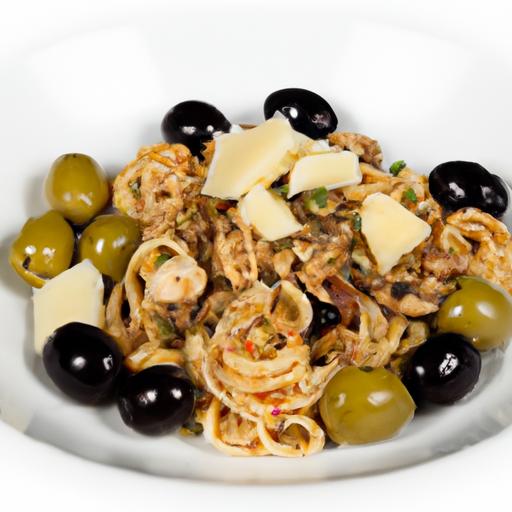

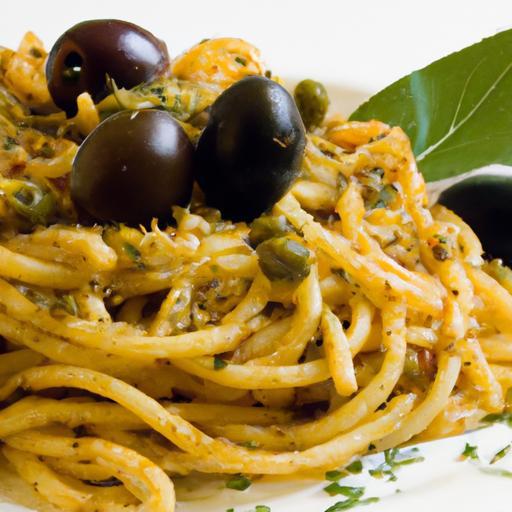
There’s a vibrant spirit simmering along the sun-soaked shores of the Mediterranean-a spirit captured perfectly in the bold, briny depths of olive tapenade. Traditionally a savory spread, this flavorful concoction made from olives, capers, and aromatic herbs has long been a beloved staple of Mediterranean cuisine. But what happens when this zesty treasure meets the comforting simplicity of spaghetti? Prepare to embark on a culinary journey where rustic tradition dances with modern flair, transforming your plate of pasta into an irresistible celebration of tangy, salty, and herbaceous notes. Welcome to the world of Mediterranean Olive Tapenade: a zesty twist on spaghetti that promises to awaken your taste buds and elevate your everyday meal into something truly extraordinary.
Mediterranean olive tapenade unlocks a vibrant world of flavors that instantly transport you to sun-drenched coastal towns and bustling markets of the Mediterranean.This luscious, zesty olive tapenade is a celebration of briny, herbaceous olives blended with fresh capers, garlic, and fragrant lemon zest-creating the perfect partner for a refreshing spaghetti dish. Whether you’re seeking a bright appetizer or a speedy, refined sauce, this recipe balances boldness with a fresh, invigorating twist that elevates every bite.
Prep and Cook time
- Preparation: 15 minutes
- Cooking: 10 minutes (for pasta) + optional 5 minutes (to warm tapenade slightly)
- Total Time: 25-30 minutes
Yield
Serves 4 hungry guests as a main course or 6 as a vibrant appetizer with crusty bread
Difficulty Level
Easy – Perfect for home cooks and culinary enthusiasts looking to add Mediterranean flair with minimal effort.
Choosing the Perfect Olives and Ingredients for an authentic Tapenade
At the heart of a magnificent tapenade lies the olive. Opt for a mix of Kalamata olives and Niçoise olives to achieve a bold yet balanced bitterness and a silky texture. These olives bring the authentic Mediterranean tang and color contrast that’s both appealing and tantalizing.
Capers add a gentle saltiness that complements olives while fresh lemon zest brightens the entire sauce, preventing heaviness. The subtle pungency of garlic and a hint of crushed red pepper elevate complexity. Select extra virgin olive oil for drizzling to maintain richness without overwhelming freshness.
Ingredients
- 1 cup Kalamata olives, pitted
- 1/2 cup Niçoise green olives, pitted
- 2 tablespoons capers, drained
- 2 cloves garlic, minced
- 1 tablespoon fresh lemon zest
- 2 tablespoons fresh lemon juice
- 1/4 teaspoon crushed red pepper flakes (optional, for a subtle heat)
- 1/3 cup extra virgin olive oil, plus extra for drizzling
- 2 tablespoons fresh flat-leaf parsley, roughly chopped
- 1 tablespoon fresh thyme leaves (optional)
- Salt and freshly ground black pepper, to taste
- 12 ounces spaghetti
Step-by-Step Guide to Blending a Zesty Olive Tapenade Sauce
- Prepare the olives: Rinse the olives under cold water to remove excess brine, then pat dry. Pit if not already pitted.
- Chop and combine: In a food processor, pulse the Kalamata olives, Niçoise olives, capers, garlic, and fresh lemon zest until coarsely chopped-avoid pureeing; the tapenade should retain some texture.
- Incorporate liquids: With the processor running on low speed, slowly drizzle in the extra virgin olive oil and fresh lemon juice to emulsify the tapenade into a spreadable consistency.
- Add herbs and seasoning: transfer to a bowl and fold in the chopped parsley, thyme (if using), and crushed red pepper flakes. Season with salt and pepper, keeping in mind the brininess of olives and capers. Adjust seasoning as needed.
- Cook the spaghetti: Bring a large pot of salted water to a boil. Cook spaghetti until al dente, about 8-10 minutes. Reserve 1/2 cup of pasta water before draining.
- Toss pasta with tapenade: Return spaghetti to the pot or a large mixing bowl. Add 3-4 tablespoons of the tapenade and gently toss, adding reserved pasta water a little at a time to loosen the mixture and coat evenly.
- Serve immediately: Plate the pasta, drizzle with a touch of extra virgin olive oil, and garnish generously with fresh parsley or thyme sprigs.
Tips for Success
- Texture matters: For best results, pulse the ingredients just enough to combine while preserving some olive chunks for bite and visual appeal.
- Make ahead: Tapenade deepens in flavor after resting for a few hours in the fridge. Bring to room temperature before serving with pasta.
- Substitutions: If you struggle to find Niçoise olives,substitute with Castelvetrano olives for a milder,buttery contrast.
- Adjust acidity: Add a splash more lemon juice if you desire a fresher, brighter profile.
- For vegan variation: This tapenade is naturally vegan and gluten-free-perfect for inclusive dining.
Pairing Tapenade with Spaghetti for a Refreshing Culinary Experience
The Mediterranean olive tapenade pairs exquisitely with simple al dente spaghetti,allowing the sauce’s bold,zesty character to shine. Complement this dish with a crisp cucumber and cherry tomato salad tossed in olive oil and fresh herbs for added refreshment. To create balance, a few wedges of grilled lemon served alongside encourage a spritz before each bite.
For additional texture,scatter toasted pine nuts or slivered almonds across the top. Nutritionally, this combination delivers heart-healthy fats, fiber, and a burst of antioxidants from fresh herbs and citrus.A light drizzle of olive oil and finely shaved Parmigiano-Reggiano cheese (optional) can elevate the experience further without overpowering the olive tapenade’s vibrant essence.

Nutritional Details (per serving)
| Calories | Protein | Carbohydrates | Fat |
|---|---|---|---|
| 380 kcal | 11 g | 52 g | 14 g |
Explore more Mediterranean delights in our mediterranean Dips & Spreads collection, or deepen your knowledge on olives’ health benefits at American Heart association.
Q&A
Q&A: Mediterranean Olive Tapenade – A zesty Twist on Spaghetti
Q1: What exactly is Mediterranean olive tapenade?
A: Mediterranean olive tapenade is a vibrant, flavorful spread traditionally made from finely chopped or blended olives, capers, garlic, anchovies, and olive oil. Originating from the Provence region of France, this savory condiment brings a burst of briny, tangy, and herbaceous notes that perfectly capture the essence of the Mediterranean.
Q2: How does olive tapenade enhance a simple spaghetti dish?
A: Olive tapenade transforms plain spaghetti into a culinary adventure by infusing it with intense saltiness, pungency, and zest. Instead of a heavy sauce, the tapenade clings to each strand, adding layered complexity with every bite-think of it as a punch of sunshine and sea breeze in your pasta bowl.
Q3: Are there different types of olives used in tapenade?
A: absolutely! Tapenade can be made using a variety of olives-black Kalamata olives provide a deep, fruity flavor, while green Castelvetrano olives offer a milder, buttery taste. The choice of olives subtly shifts the character of the tapenade, allowing you to customize it based on your flavor preference.
Q4: Can I make olive tapenade without anchovies?
A: Yes! While anchovies lend a savory umami depth, you can omit them for a vegetarian version without sacrificing richness. To boost that savory punch,try adding finely chopped sun-dried tomatoes or a splash of soy sauce as an umami alternative. Garlic and capers will still keep the tapenade bright and flavorful.
Q5: What fresh ingredients pair best with olive tapenade in a pasta dish?
A: fresh ingredients like cherry tomatoes, basil, parsley, and lemon zest beautifully complement the robust tapenade. They add freshness,brightness,and a pop of color,balancing the salty and savory intensity of the olives with vibrant herbal and citrus notes.
Q6: How can I adjust the texture of olive tapenade for spaghetti?
A: For a pasta-friendly consistency, pulse the ingredients in a food processor until coarsely chopped but not pureed-this allows the tapenade to coat the spaghetti strands without becoming a heavy paste. If it’s too thick, a drizzle of extra virgin olive oil or a splash of pasta cooking water helps loosen it up beautifully.
Q7: Is Mediterranean olive tapenade suitable for those on a plant-based diet?
A: Yes! When prepared without anchovies,tapenade is entirely plant-based. It provides a rich, savory flavor boost to spaghetti and other dishes, making it an excellent choice for vegans and vegetarians craving bold tastes from natural, wholesome ingredients.
Q8: Can I store olive tapenade, and how long does it last?
A: Olive tapenade keeps well in an airtight container in the refrigerator for up to a week. Olive oil acts as a natural preservative, but it’s best enjoyed fresh to capture the full brightness of the ingredients. stir before serving, as the oil may solidify when chilled.
Q9: What are some creative ways to serve Mediterranean olive tapenade besides spaghetti?
A: Tapenade’s versatility shines beyond pasta! Spread it on crusty bread as an appetizer, dollop it atop grilled vegetables, mix it into grain bowls, or use it as a zesty topping for roasted potatoes. Its bold flavor profile makes it a culinary chameleon across Mediterranean-inspired dishes.
Q10: How can beginners confidently make this tapenade at home?
A: Start with quality ingredients-good olives, fresh garlic, and high-quality olive oil. Use a food processor to control the texture, and taste as you go, adjusting salt, lemon, or herbs to your liking. Don’t be afraid to experiment with proportions; the beauty of tapenade lies in its adaptability to your personal palate.
To Wrap It Up
Whether draped over al dente spaghetti or dolloped atop crusty bread, Mediterranean olive tapenade brings a burst of vibrant, zesty flavors that transform a simple dish into a culinary celebration. This humble spread, steeped in tradition and brimming with olives, capers, and sunshine, invites you to savor the Mediterranean’s zest for life in every bite. So next time you crave a pasta experience that’s both effortless and extraordinary, let this tapenade-twisted spaghetti be your flavorful passport to coastal charm and timeless taste.