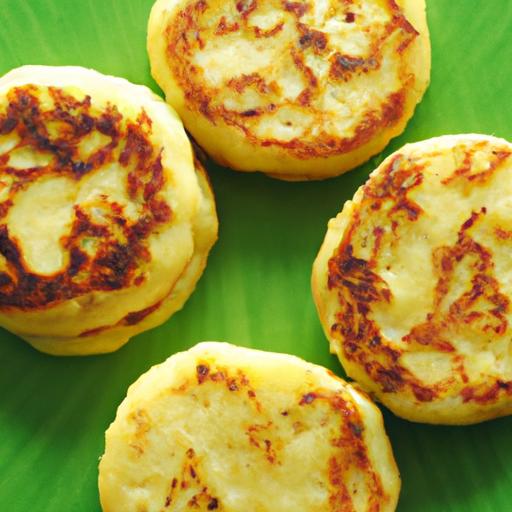

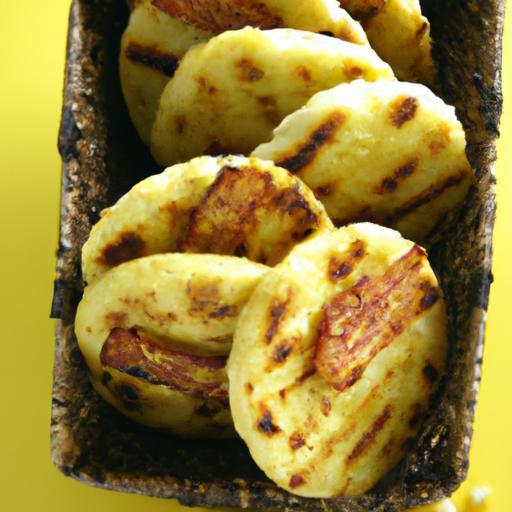
Beneath the golden sun of Latin America, a humble culinary treasure has fed generations and sparked hearty conversations around bustling street corners and festive family tables alike: the arepa. These modest corn cakes, crisped to perfection and bursting with versatile fillings, weave a rich tapestry of culture and history across Colombia and Venezuela.Far more than just a staple food, arepas embody the spirit and identity of two nations, each boasting its own unique twist on this beloved tradition. In this article,we journey into the heart of arepas-unveiling their origins,regional variations,and the vibrant stories they carry-inviting you to savor not just a dish,but a living legacy.
Arepas unveiled bring us to the flavorful heart of Colombia and Venezuela, where this humble corn cake has transcended centuries to become a beloved culinary symbol. Rooted deeply in indigenous traditions, arepas are more than just food-they’re a cultural expression connecting families, street vendors, and grandmothers’ kitchens across borders.From the bustling streets of Bogotá to the sunlit plazas of Caracas, arepas burst with local pride, each region telling its own story through unique variations and fillings.
Origins and Cultural Roots of Arepas in Colombia and Venezuela
Originating from pre-Columbian times, arepas have been a staple for indigenous peoples of northern South America long before European influences arrived. In Colombia, arepas are often enjoyed plain or slightly salted, served alongside stews or grilled meats. Conversely, Venezuelan arepas are thick, split open, and stuffed generously with fillings like shredded beef, black beans, or fresh cheese.Both cultures celebrate this corn-based delight, but it is their distinct regional twists that create a flavorful spectrum of textures and flavors. This corn cake tradition embodies shared histories, family recipes passed down generations, and a communal love for simple, hearty food.
Distinct Regional Variations and Conventional fillings Explored
Colombian arepas typically include varieties such as the soft arepa boyacense, sweetened with a hint of sugar, or the crispy arepa de choclo made with fresh corn kernels. In venezuela, the classic arepa reina pepiada, stuffed with shredded chicken and avocado, reigns supreme alongside the black bean-filled dominó or the cheese-packed de queso. Each version speaks volumes about local ingredients and taste preferences,making the arepa a versatile dish that adapts beautifully to any palate.
Step-by-Step Guide to Crafting the Perfect Arepa at Home
Crafting perfect arepas at home is a gratifying act that invites you to engage with tradition while nurturing your senses. This recipe features the essential arepa dough made from pre-cooked cornmeal-the classic base that ensures authentic texture and flavor.
Prep and Cook Time
- Planning: 15 minutes
- Cooking: 20 minutes
- Total: 35 minutes
Yield
Serves 4 people (8 medium arepas)
Difficulty Level
Easy – Perfect for beginners and seasoned cooks alike
Ingredients
- 2 cups pre-cooked white cornmeal (harina de maíz precocida, such as P.A.N.)
- 2 1/2 cups warm water
- 1 teaspoon fine sea salt
- 2 tablespoons vegetable oil (for cooking)
- optional: 1/2 cup grated mozzarella or queso blanco for cheesy variation
Instructions
- Mix the dough: In a large bowl, combine the pre-cooked cornmeal and salt. slowly add warm water while stirring with your hand or a spoon. Knead untill the dough becomes smooth and pliable, about 3-5 minutes. Let it rest for 5 minutes to hydrate fully.
- Shape the arepas: Divide the dough into 8 equal portions. with slightly wet hands, roll each portion into a ball and flatten gently to form discs about ½ inch thick and 4 inches in diameter. Smooth out cracks on the edges with your fingers.
- Cook on skillet: Heat a non-stick skillet over medium heat and add 1 tablespoon of oil. Place arepas in the pan and cook for 5-7 minutes on each side, until a golden-brown crust forms and they sound hollow when tapped. Adjust heat as necessary to avoid burning.
- Finishing touch: Optional – transfer cooked arepas to a preheated oven at 350°F (175°C) for 10 minutes to fully cook internally and achieve a tender crumb.
- Serve warm: Slice horizontally and fill with traditional or creative fillings, or enjoy them simply with a butter spread or fresh cheese.
Tips for Success
- Hydrate dough properly: Ensure the cornmeal absorbs enough water but isn’t soggy. The dough should feel soft but not sticky.
- Use a heavy-bottom skillet: This helps develop an even crust while cooking arepas thoroughly.
- Try cheese inside: For a melty surprise, stuff a small amount of shredded cheese inside the dough ball before flattening.
- Leftovers reheating: Reheat arepas on a dry skillet or in the oven to restore crunch.
Pairing Arepas with Classic Dishes and Contemporary Twists
Arepas open endless doors to flavor adventures. Traditionally, pair your corn cakes with hearty stews like Colombian hogao (tomato and onion salsa) or Venezuelan black beans and cheese. For a fresh, contemporary twist, fill them with roasted vegetables, avocado slices, or spiced grilled chicken with chimichurri. Garnish with fresh cilantro, crema, or a squeeze of lime for contrast. Arepas complement vibrant salads or can shine as standalone street-food snacks. Their versatility is a gift that invites creativity at every meal.

| Nutrient | Per Arepa (Approx.) |
|---|---|
| Calories | 150 kcal |
| Protein | 4 g |
| Carbohydrates | 30 g |
| Fat | 3 g |
For more Latin American recipes that celebrate corn-based dishes, explore our comprehensive guide here.To delve deeper into the history of corn and its culinary importance, visit the National Geographic’s feature on maize.
Q&A
Q&A: Arepas Unveiled: The Corn Cake Tradition of Colombia & Venezuela
Q1: What exactly is an arepa?
A1: An arepa is a versatile, round corn cake that has been a culinary cornerstone in Colombia and Venezuela for centuries.Made primarily from ground maize dough or precooked corn flour, it’s a simple yet profoundly satisfying dish that can be grilled, baked, fried, or boiled.Arepas serve as everything from a humble snack to a hearty meal base, showcasing the rich agricultural heritage of these countries.
Q2: How do Colombian and Venezuelan arepas differ?
A2: While both countries treasure the arepa, each has developed unique styles and preparation methods. Colombian arepas are often thinner and can be grilled or baked, sometimes filled or topped with cheese, eggs, or avocado. Venezuelan arepas tend to be thicker and are usually split open and stuffed with a variety of fillings such as black beans, cheese, or shredded chicken, creating a deliciously portable meal.
Q3: Why is corn so central to arepas?
A3: Corn is not only a staple crop but also a cultural symbol in much of Latin America.Its significance dates back to indigenous civilizations long before colonial times. Corn’s adaptability and flavor make it perfect for crafting the dough of arepas. Ground carefully,it transforms into a canvas that can carry an endless array of flavors while maintaining a comforting,mildly sweet taste.
Q4: What are some popular fillings or toppings for arepas, excluding pork products?
A4: Arepas welcome a rich variety of fillings and toppings: creamy white cheese, ripe avocado slices, shredded chicken or beef, black beans, sautéed vegetables, eggs, and even sweet options like butter and sugar or fresh fruit jams. The beauty of arepas lies in their ability to blend with both savory and sweet ingredients, making them endlessly customizable.
Q5: Can arepas be considered a healthy food option?
A5: Absolutely! Arepas, made from corn, are naturally gluten-free and provide a good source of complex carbohydrates. When paired with nutrient-rich fillings like beans, vegetables, or lean proteins, they offer balanced nutrition. The cooking method also plays a role; grilled or baked arepas preserve more nutrients and reduce added fats compared to fried versions.
Q6: How are traditional arepas made at home?
A6: Homemade arepas start by combining pre-cooked corn flour with warm water and a pinch of salt. The mixture is kneaded into a dough, formed into thick patties, and then cooked on a griddle or skillet until a golden crust forms. From there, they can be served plain or sliced open to add fillings, making the preparation both straightforward and creative.
Q7: What cultural significance do arepas hold in colombia and Venezuela?
A7: More than just food, arepas embody a shared heritage and identity. In both Colombia and Venezuela, they represent daily life, family gatherings, and regional pride. Passing down recipes and cooking techniques from generation to generation, arepas connect people with their roots and community, celebrating the simplicity and warmth of home.
Q8: Are there regional variations of arepas within each country?
A8: Yes, each region boasts its own special spin. In Colombia, as a notable example, arepas from Antioquia might be blended with white cheese, while coastal versions can incorporate coconut milk for a tropical twist. Venezuelan regions have distinct names and ingredients-like the “Arepa de Chocolo” made with sweet corn-showcasing local tastes and agricultural bounty.Q9: How can someone outside Latin America experience authentic arepas?
A9: To taste authentic arepas, look for Latin american markets or eateries specializing in Colombian or Venezuelan cuisine. Many communities abroad celebrate arepa festivals, where chefs and home cooks share traditional recipes. Alternatively, with a packet of pre-cooked corn flour and basic ingredients, you can bring the spirit of arepas into your own kitchen-experimenting with fillings and techniques until you find your perfect version.
Q10: What makes the arepa so enduring and beloved across generations?
A10: Its enduring charm lies in its simplicity and adaptability. The arepa is both humble and hearty, capable of bridging meals and moods. It’s a culinary emblem that adapts to whatever is available, reflects regional flavors, and invites creativity-all while being deeply comforting. It’s a timeless taste of tradition that continues to evolve and unite.
Wrapping Up
as the golden arepa emerges from heated griddles across Colombia and Venezuela, it carries more than just corn and dough – it carries centuries of tradition, family stories, and regional pride. This humble yet versatile corn cake reminds us that food is never just about sustenance; it’s a vibrant thread weaving together culture, history, and identity. Whether loaded with cheese, meats, or simply enjoyed plain, the arepa stands as a delicious emblem of two nations’ shared heritage and enduring love for simple, soulful flavors. So the next time you bite into an arepa, remember you’re tasting a legacy-a crispy, warm invitation to explore the heart of Latin America’s culinary soul.