
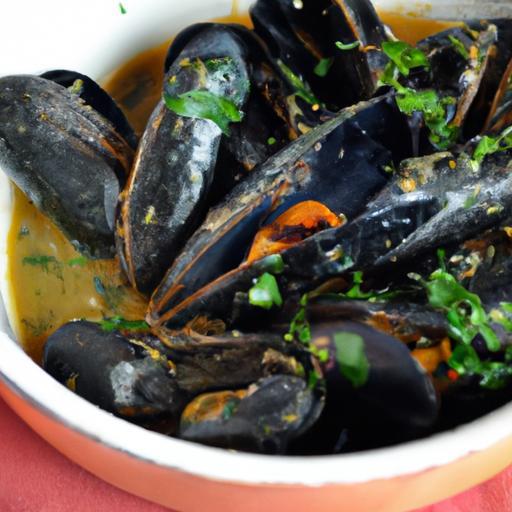
There’s something irresistibly enchanting about the simple elegance of French cuisine, and few dishes capture this charm quite like Moules marinières. Imagine plump, tender mussels steaming gently in a fragrant broth of white wine, garlic, shallots, and fresh herbs-a symphony of flavors that transports you straight to the rugged coastlines of Brittany. More than just a meal, Moules Marinières is an experiance: a festivity of the sea’s bounty wrapped in centuries of culinary tradition. In this article, we’ll dive into the history, the art, and the savory secrets behind this iconic French dish, inviting you to savor every briny, buttery bite.
Savoring French Moules Marinières is an invitation to dive into a timeless coastal tradition where the freshest mussels meet a luxuriously savory broth. Originating from the fishing ports of Normandy and Brittany, this classic dish captivates with its simplicity and depth, highlighting the pristine flavors of the sea paired with aromatic herbs and a subtly spiced broth. My first memory of moules marinières was on a brisk autumn evening by the shores of Saint-Malo,where the briny steam rising from the pot was nothing short of magical. Today,this recipe invites you to recreate that evocative experience in your own kitchen,blending freshness and technique to unlock the elegance of this French favorite.
Prep and Cook Time
- Preparation: 15 minutes
- Cooking: 12 minutes
- Total Time: 27 minutes
Yield
Serves 4 generous portions
Difficulty Level
Easy to Medium – perfect for home cooks eager to master a classic
Ingredients
- 3 pounds fresh mussels, cleaned and debearded
- 2 tablespoons unsalted butter
- 1 large shallot, finely minced
- 2 cloves garlic, minced
- 1 cup low-sodium vegetable broth
- 1/2 cup heavy cream
- 1/4 cup fresh flat-leaf parsley, chopped
- 1 teaspoon freshly ground black pepper
- 1 teaspoon sea salt (adjust to taste)
- 1 teaspoon dried thyme
- 1 lemon, cut into wedges for serving
- optional: pinch of crushed red pepper flakes for subtle heat
Instructions
- Prepare the mussels: Rinse mussels under cold water, scrubbing off any debris and removing beards. Discard any open mussels that do not close when tapped.
- Heat butter: In a large, deep pot, melt the butter over medium heat until shimmering and fragrant.
- sauté aromatics: Add the minced shallot and garlic. Sauté for about 2-3 minutes until translucent and softened but not browned, stirring occasionally to prevent sticking.
- Add herbs and broth: Stir in the thyme, black pepper, and sea salt. Pour in the vegetable broth and bring to a simmer, allowing the flavors to meld for 3-4 minutes.
- Cook the mussels: Increase heat to high and add the cleaned mussels.Cover the pot tightly and steam for 5-7 minutes, shaking the pot halfway through to ensure even cooking. Mussels are done when shells open wide.
- Finish the sauce: Remove the lid and discard any unopened mussels. Reduce heat to medium-low and stir in the heavy cream and chopped parsley. simmer gently for 2 minutes to combine and thicken slightly.
- Adjust seasoning: Taste and adjust salt, pepper, or add crushed red pepper flakes if desired for a mild kick.
- serve immediately: Ladle mussels and broth into warmed bowls, garnish with lemon wedges to brighten the intense umami broth.
Tips for Success
- Choosing mussels: Opt for mussels with tightly closed shells – a sign of freshness. Avoid any with broken or chipped shells to ensure safety and quality.
- Cleaning technique: Rinse mussels twice in cold water and use a brush to remove barnacles. Pull off “beards” firmly by hand before cooking.
- Broth balance: The secret to a luscious broth lies in balancing the creamy richness with the briny boldness of the mussels and brightness from fresh herbs and lemon.
- Avoid overcooking: Mussels cook quickly-over 7 minutes risks chewy textures and closed shells mean they’re not fresh.
- make-ahead tip: Prepare the broth base ahead and reheat gently to steam freshly cleaned mussels just before serving.
Serving Suggestions
This dish shines when served with a side of warm crusty French baguette or toasted garlic bread to soak up the intoxicating broth. Garnish the bowls with a sprinkle of extra parsley and a squeeze of lemon just before serving.For a refreshing contrast, pair with a simple crisp green salad tossed in a citrus vinaigrette. To elevate the presentation, serve in shallow bowls with an extra drizzle of olive oil and a few cracked black peppercorns scattered on top.

| Nutrient | Per serving |
|---|---|
| Calories | 220 kcal |
| Protein | 28 g |
| Carbohydrates | 6 g |
| Fat | 8 g |
For more inspiration on preparing seafood with simple yet refined techniques, explore our guide to cooking fresh seafood. To deepen your understanding of shellfish sustainability and safety, visit FDA Shellfish safety.
Q&A
Q&A: Savoring French Moules Marinières – Mussels in a Savory broth
Q1: What makes Moules Marinières a quintessential french dish?
A1: Moules Marinières embodies the essence of coastal French cooking by combining fresh mussels with a fragrant, buttery broth infused with aromatic herbs and a touch of garlic. Its simplicity highlights the natural oceanic sweetness of the shellfish, while the savory broth elevates every bite, capturing the charm of seaside bistros.
Q2: What are the key ingredients that create the signature broth in Moules Marinières?
A2: The broth’s magic comes from a harmonious blend of shallots, garlic, fresh parsley, a splash of lemon juice, and a generous dose of cream or butter. White pepper and a pinch of sea salt round out the flavors,creating a silky,aromatic liquid that complements the tender mussels perfectly.
Q3: How should mussels be prepared before cooking to ensure freshness and cleanliness?
A3: Before cooking,mussels should be rinsed under cold water and debearded – removing the fibrous threads attaching them to rocks. Discard any mussels that are cracked, broken, or remain open after a gentle tap, as these can be unsafe to eat. This cleaning process ensures your dish remains fresh and delightful.
Q4: What cooking technique is traditionally used to prepare Moules Marinières?
A4: The classic method involves steaming the mussels in the aromatic broth over medium-high heat. This quick-cooking technique allows the mussels to open while absorbing the flavors of the broth, resulting in a tender, juicy texture paired with a deeply savory finish.
Q5: Can Moules Marinières be adapted for those who prefer a lighter version?
A5: Absolutely! For a lighter take, you can substitute the butter or cream with a splash of good-quality vegetable broth or a drizzle of olive oil. The essential flavors from shallots, garlic, and herbs remain, preserving the dish’s character while keeping it leaner.
Q6: What side dishes best accompany Moules Marinières to complete the meal?
A6: traditionally, crusty French baguette slices are perfect for dipping into the luscious broth. Light green salads with vinaigrette or crispy fries (frites) also balance the richness and add textural contrast, making for a comforting yet elegant dining experience.
Q7: Are there any regional variations of Moules Marinières across France?
A7: While the core of Moules Marinières stays consistent-mussels steamed in an aromatic broth-some coastal regions introduce subtle twists, like adding leeks, fennel, or fresh tarragon. These nuanced additions reflect local produce and personal touches from different French seaside kitchens.
Q8: How can you tell when mussels are perfectly cooked in the broth?
A8: Mussels are done when their shells have fully opened, revealing plump, tender meat inside. Overcooking tightens the texture and can make them tough, so as soon as the majority open (usually within 5 to 7 minutes), it’s time to remove them from the heat.
Q9: Is Moules Marinières suitable for entertaining guests or casual weeknight dinners?
A9: One of Moules Marinières’ greatest charms is its versatility-it’s elegant enough to impress guests yet simple enough for a cozy, casual meal. The quick cooking process and minimal ingredients make it an ideal choice for any occasion where you want big flavor with little fuss.
Q10: What tips help maximize flavor when preparing Moules Marinières at home?
A10: Use the freshest mussels available, sauté shallots and garlic gently to release their sweetness without burning, and don’t rush the steaming process. Fresh herbs should be added toward the end to preserve their brightness, and always serve the dish hot to enjoy its full aroma and warmth.
in Conclusion
As the last tender mussel disappears and the fragrant broth lingers fondly on your palate, you’ll understand why Moules Marinières has long been a beloved classic of French coastal cuisine. This simple yet elegant dish invites you to savor not just the flavors of the sea, but the art of cooking with fresh, high-quality ingredients and time-honored techniques. Whether enjoyed by the seaside or in the comfort of your own kitchen, Moules Marinières offers a savory journey into French culinary tradition-one briny, buttery spoonful at a time. So next time you crave a taste of the ocean’s bounty, let these tender mussels dressed in their garlicky, wine-scented broth transport you to a rustic bistro along the coast of Normandy or Brittany, where every bite tells a story of flavor, history, and the simple joy of sharing a well-crafted meal.