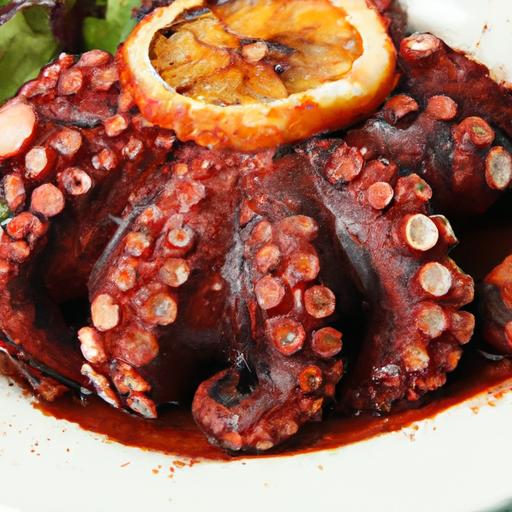

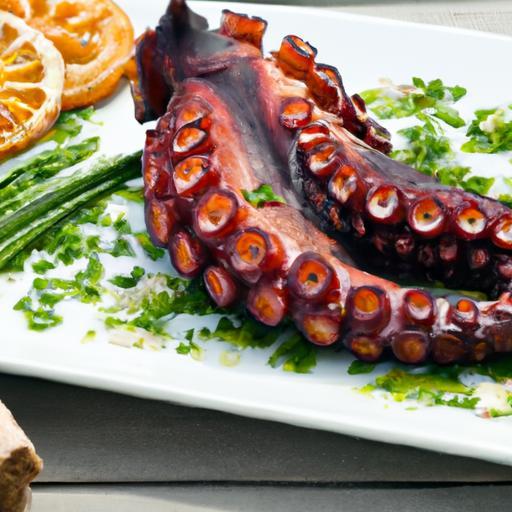
There’s something undeniably captivating about the sizzle and smoke of a grill-where fire meets flavor, and the ordinary transforms into the unusual. Among the myriad of seafood treasures that beckon from the coals, octopus stands out as a true culinary gem, offering a tender yet slightly chewy texture and a taste that’s both briny and rich. Grilling octopus is an art that marries technique with creativity, turning this humble cephalopod into a smoky, savory delight that tantalizes the senses. In this guide,we’ll dive into the essentials of preparing,marinating,and perfectly grilling octopus,unlocking the secrets to achieving that iconic char and melt-in-your-mouth tenderness. Whether you’re a seasoned BBQ enthusiast or a curious foodie, get ready to elevate your seafood game with a smoky twist that promises to impress at any backyard feast.
Choosing the Perfect octopus for Your Grill Masterpiece
Grilling octopus is a rewarding culinary adventure, and selecting the perfect octopus is the first crucial step to ensure your BBQ seafood delight boasts both flavor and tenderness. When browsing your local market, look for fresh or frozen whole octopus with plump, firm tentacles and a clean ocean scent-avoid specimens with discoloration or a strong fishy odor. Smaller octopuses (1.5 to 3 pounds) are ideal for grilling,as they tenderize faster and absorb marinades beautifully. If using frozen octopus, be sure to thaw it slowly in the refrigerator overnight to maintain optimal texture.
Tenderizing Techniques to Achieve Melt-in-Your-Mouth Texture
The delicate balance between tenderness and charred smokiness separates an amateur from a grill master in the realm of grilling octopus. Start by pre-cooking the octopus to tenderize it before it hits the flames. Popular methods include simmering in water with aromatics, slow braising in olive oil and herbs, or even pressure cooking for a time-efficient approach.
For a classic technique,gently simmer the octopus for 45 to 60 minutes until the tentacles turn a bright purple-pink and the flesh feels tender when pierced with a fork.Avoid boiling aggressively, as it can toughen the meat. Another little-known hack is to use the frozen octopus directly-freezing helps break down muscle fibers naturally, producing a softer bite after grilling.
After boiling, immerse the octopus promptly in an ice bath to stop cooking and firm up the texture, making it easier to handle on the grill.
Marinades and Seasonings That Elevate Octopus Flavor
Marinating is where you inject your personality into the dish, transforming simple tentacles into a symphony of Mediterranean or coastal flavors. A classic marinade blends extra virgin olive oil, freshly squeezed lemon juice, minced garlic, smoked paprika, and a handful of fresh herbs like oregano or parsley.For a smoky depth, add a splash of smoked chili or a dash of ground cumin.
Allow the octopus to soak up these vibrant flavors for at least 2 hours, preferably overnight. This slow infusion not only amplifies taste but also keeps the flesh moist during grilling. Don’t hesitate to sprinkle flaky sea salt and cracked black pepper post-grill, just before serving, for an irresistible finishing touch.
Mastering the Grill: Temperature and Timing Tips for Charred Perfection
Patience and precise heat control unlock that coveted balance of tender inside and crisp, charred outside-a hallmark of expertly grilled octopus. Preheat your grill to a medium-high heat, approximately 400°F (204°C).The grill grates should be clean and lightly oiled to prevent sticking.
Before placing the octopus, pat it dry thoroughly to enhance caramelization. Grill the tentacles for about 3-4 minutes per side, rotating once to achieve even sear marks and a smoky crust. Keep a close eye-over-char can quickly become bitter, while undercooked tentacles may feel chewy.
For an added layer of flavor, brush with marinade or a finishing glaze of lemon-olive oil mixture while grilling. once done, let the octopus rest for 5 minutes; this helps the juices redistribute and guarantees a succulent bite with every forkful.

Prep and cook Time
- Preparation: 15 minutes
- Tenderizing (boiling): 45-60 minutes
- Marinating: Minimum 2 hours (preferably overnight)
- Grilling: 8-10 minutes
Yield
Serves 4
difficulty Level
Medium
Ingredients
- 2 pounds whole octopus, fresh or thawed
- 1/4 cup extra virgin olive oil
- 3 tablespoons fresh lemon juice
- 4 cloves garlic, minced
- 1 teaspoon smoked paprika
- 1 teaspoon sea salt
- 1/2 teaspoon cracked black pepper
- 2 tablespoons fresh oregano, chopped
- 1 tablespoon fresh parsley, finely chopped (for garnish)
- Optional: 1/2 teaspoon smoked chili powder or ground cumin
Instructions
- Prepare the octopus: Rinse the octopus thoroughly under cold water. Remove the beak and eyes if your fishmonger hasn’t done this already.
- Tenderize the octopus: in a large pot, bring water with a pinch of salt and aromatics (bay leaf, peppercorns, lemon) to a gentle simmer. Submerge the octopus whole and simmer gently for 45 to 60 minutes until the flesh is tender when pierced. Avoid boiling vigorously.
- Shock the octopus: Transfer the octopus to a bowl of ice water to halt cooking; this firms up the texture and makes it easier to handle.
- Marinate: combine olive oil, lemon juice, garlic, smoked paprika, sea salt, cracked black pepper, and herbs in a bowl. Toss the cooled octopus in the marinade and refrigerate for at least 2 hours or overnight for best flavor infusion.
- Preheat your grill: clean and oil the grates generously. Aim for medium-high heat (around 400°F/204°C).
- Dry and grill: Remove octopus from the marinade and pat dry. Grill tentacles for 3-4 minutes per side, brushing occasionally with marinade or fresh lemon-olive oil mixture, until beautifully charred and crisp on the outside.
- Rest and serve: Allow the octopus to rest for 5 minutes before slicing into bite-sized pieces. Garnish with chopped parsley and an additional squeeze of fresh lemon.
Chef’s notes & Tips for Success
- Frozen vs fresh: If fresh octopus isn’t available, frozen is excellent and frequently enough more tender due to natural fiber breakdown during freezing.
- Tenderizer choice: Gently massaging the octopus with coarse salt before rinsing and cooking can help break down fibers further.
- grill temperature: To hot will char before tender; too low will dry out. Medium-high is the sweet spot for that coveted crust and juicy interior.
- Make ahead: The octopus can be boiled and marinated up to 24 hours in advance; just reheat quickly on the grill before serving.
- Flavor twists: For a vibrant variation, add orange zest and fennel seeds to the marinade, or swap lemon for a splash of fresh lime juice and cilantro.
serving Suggestions
present your grilled octopus with a drizzle of high-quality olive oil and a sprinkle of flaky sea salt. Accompany with a Mediterranean-style salad of ripe cherry tomatoes, kalamata olives, red onion, and cucumber tossed in a light vinaigrette. A side of grilled lemon wedges and a sprinkle of fresh parsley or microgreens adds an inviting burst of freshness. For a heartier meal,serve alongside herbed couscous or warm roasted potatoes dusted with smoked paprika.
| Nutrient | Per Serving |
|---|---|
| Calories | 210 |
| Protein | 40g |
| Carbohydrates | 2g |
| Fat | 5g |
For more seafood grilling inspiration, check our thorough guide to grilling seafood and to understand octopus health benefits, visit Seafood Health Facts.
Q&A
Q&A: Grilling Octopus – A Savory guide to BBQ Seafood Delight
Q1: What makes octopus a great choice for grilling?
A1: Octopus boasts a unique texture-tender yet slightly chewy-that beautifully absorbs smoky flavors from the grill. Its natural brininess pairs perfectly with char marks, creating a delightful contrast of savory and smoky that makes for an unforgettable seafood experience.
Q2: How should I prepare octopus before grilling?
A2: Preparation is key! Start by tenderizing the octopus through slow simmering or braising in a flavorful broth. This process softens its muscular texture and infuses the flesh with subtle aromas. Once tender, pat it dry to ensure that it chars nicely on the grill, locking in moisture and flavor.
Q3: Are there specific marinades that enhance grilled octopus?
A3: Absolutely! Fresh citrus juices like lemon or orange, garlic, olive oil, smoked paprika, and fresh herbs such as oregano or thyme complement octopus wonderfully. These ingredients brighten the dish and add layers of flavor without overpowering the oceanic essence of the octopus.
Q4: What is the best technique for grilling octopus?
A4: Grill over medium-high heat to get those beautiful sear marks and a subtle smoky char. Aim for quick cooking-about 3 to 5 minutes per side-as the octopus is already tender from pre-cooking. This prevents toughness and ensures a juicy,flavorful bite.
Q5: Can octopus be grilled whole, or should it be cut into pieces?
A5: Both methods work well! Whole octopus makes for a stunning presentation and retains juices beautifully, but it can be trickier to handle. Cutting into tentacles or smaller portions allows for more even grilling and easier flipping,especially for beginner grillers.
Q6: What side dishes pair well with grilled octopus?
A6: Serve with light, fresh sides that echo the seaside vibe-think grilled vegetables, lemon-herb couscous, or a vibrant salad of tomatoes, cucumbers, and olives. These accompaniments provide bright, crisp textures that balance the richness of the grilled octopus.
Q7: Are there common mistakes to avoid when grilling octopus?
A7: The biggest pitfall is undercooking or skipping the tenderizing step. Raw octopus is tough and chewy, so always simmer first for tender results. Also, beware of overcooking on the grill; it can quickly turn rubbery. Keep a watchful eye and grill just enough to develop flavor and color.
Q8: How can I tell when grilled octopus is perfectly cooked?
A8: Perfectly grilled octopus has a lightly crisp exterior with charred spots and tender, juicy meat inside. When pierced with a fork, it should give without resistance but still hold its shape. The combination of smoky aroma and slightly firm texture signals grilling success.
Q9: is it okay to use frozen octopus for grilling?
A9: Yes! Frozen octopus frequently enough benefits from freezing as it helps break down muscle fibers, enhancing tenderness. Just thaw it completely and pat dry before beginning the pre-cooking and grilling process for best results.
Q10: Can grilled octopus be used in recipes beyond just serving it as is?
A10: Definitely! Grilled octopus lends itself beautifully to a variety of dishes-toss it with pasta and fresh herbs, layer it over rustic flatbreads, or fold it into vibrant salads for an elegant twist on classic seafood fare. Its smoky, savory profile elevates many culinary creations.
Insights and Conclusions
As the smoky aroma of charred octopus fills the air and the tender, smoky bites grace your palate, it’s clear that grilling this seafood treasure is more than just a cooking method-it’s an experience. With the right preparation, marinade, and a hot grill, octopus transforms from a humble sea creature into a succulent star of your BBQ feast. So next time you fire up the coals, don’t overlook this savory delight. Embrace the art of grilling octopus, and let your taste buds embark on a flavorful journey that celebrates the ocean’s bounty in every smoky, tender bite. Happy grilling!