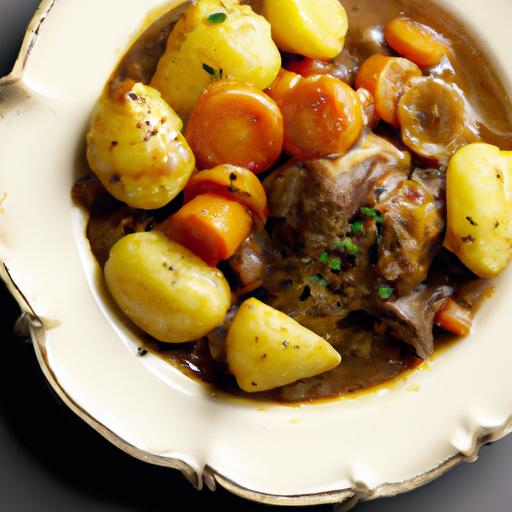

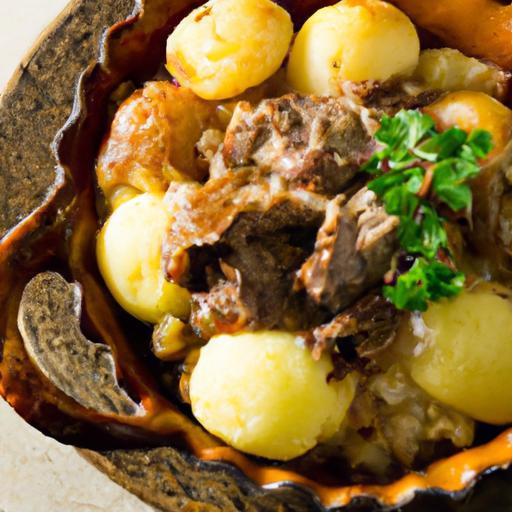
There’s a comforting charm in dishes that tell a story-one of tradition,warmth,and simple,soulful flavors. The hearty Lancashire hotpot with tender lamb is just such a classic, a timeless British favorite that has delighted generations around the hearth. This rustic stew, slow-cooked to perfection, blends succulent lamb with layers of soft onions and golden potatoes, creating a symphony of tastes that embody the essence of home-cooked goodness. whether you’re new to this iconic dish or a seasoned enthusiast, the Lancashire hotpot invites you to explore its rich heritage and savor every comforting bite.
The Origins and Timeless Appeal of Lancashire Hotpot
Hearty Lancashire Hotpot with Tender Lamb stands as a comforting testament to the rich culinary heritage of England’s northwest. This iconic dish originated from the heart of Lancashire’s working-class communities, where simple, wholesome ingredients were transformed into a satisfying meal that could simmer slowly while miners or mill workers returned from long shifts. Traditionally cooked in a heavy, earthenware pot, the hotpot’s aroma gradually fills the home, signaling warmth, togetherness, and pure homestyle goodness.
What makes this dish endure so beautifully over time is its combination of succulent lamb and slow-cooked root vegetables, layered beneath a crunchy, golden crust of sliced potatoes. the ingredients, though modest, harmonize into a luscious, melt-in-your-mouth experience that nourishes both body and soul. Whether served on a chilly autumn night or a family gathering, its hearty flavors inspire comfort and nostalgia-an edible embrace that’s equally celebrated today.
Choosing the Perfect Cut of Lamb for Melt-in-Your-Mouth Tenderness
To achieve true tenderness in your hotpot, selecting the ideal cut of lamb is paramount. The best choices are cuts that benefit from slow, moist cooking methods, such as lamb shoulder or neck fillet. These cuts possess sufficient marbling and connective tissue that, under extended slow cooking, dissolve beautifully into succulent juices, resulting in a dish that literally falls apart at the fork.
If you prefer a leaner option, boneless lamb leg can be suitable but might require precise timing to avoid drying out. Whichever you choose, ensure the meat is cut into generous chunks for maximum bite and the richest flavor absorption throughout the cooking process.
Layering Flavors and Ingredients for Authentic Lancashire Taste
Mastering the authentic Lancashire taste means respecting the layering technique-each ingredient plays a crucial role in building the dish’s depth and character. Begin with a base of caramelized onions and garlic, their sweetness drawing out complexity as they soften. Adding fresh thyme and bay leaves infuses a subtle herbal brightness that complements the earthy vegetables.
Chunks of lamb are nestled between layers of thinly sliced potatoes, which act both as a lid to trap moisture and an irresistible golden crust once baked. The inclusion of root vegetables such as carrots and parsnips adds natural sweetness and texture, while a splash of rich lamb or vegetable broth keeps everything tender and infused with flavor.
Expert Tips for Achieving the Ideal Golden crust and Perfectly Cooked Hotpot
The crown jewel of any Lancashire hotpot is its crispy, golden crust-achieving this requires a delicate balance of moisture and heat. For a beautifully browned topping, arrange the potato slices snugly and overlap them like classic roof tiles, ensuring maximum surface contact with the oven’s heat.
Brushing the potatoes with a light coating of melted butter or a high-quality olive oil before baking enhances crispness and adds subtle richness. For even cooking, cover the dish with a lid or foil during the initial simmer, uncovering it in the last 30 minutes to allow the crust to develop that signature crunch.
Use a moderate oven temperature (around 160-170°C/325-340°F) for slow,even cooking. Patience here is key: rushing the process risks tough meat or undercooked veg. The result is a luscious hotpot where the lamb is tender, the vegetables are perfectly soft, and the potatoes boast an inviting golden hue.
Prep and Cook Time
- Preparation Time: 30 minutes
- Cooking Time: 2 hours 30 minutes
- Total Time: 3 hours
Yield
Serves 6 generously
Difficulty Level
medium - Ideal for home cooks looking to deepen their skills in slow-cooked classic British cuisine
Ingredients
- 1.5 lbs (700g) boneless lamb shoulder, trimmed and cut into 1.5-inch cubes
- 4 large onions, thinly sliced
- 3 large carrots, peeled and cut into chunks
- 2 parsnips, peeled and cut into chunks
- 8-10 medium potatoes, peeled and thinly sliced
- 3 cloves garlic, finely chopped
- 2 tbsp fresh thyme leaves
- 2 bay leaves
- 2 cups lamb or vegetable broth
- 3 tbsp unsalted butter, melted (plus extra for buttering the dish)
- Salt and freshly ground black pepper, to taste
- 2 tbsp olive oil
Instructions
- Preheat your oven to 160°C (325°F). Generously butter a large ovenproof casserole dish or flameproof pot.
- Heat olive oil in a large skillet over medium heat. Add the lamb pieces and brown them evenly on all sides, about 5-7 minutes. Remove and set aside.
- In the same skillet, sauté sliced onions gently until golden and soft, 10-15 minutes, stirring often to avoid burning.
- Add garlic, carrots, parsnips, thyme, and bay leaves to the onions. Cook for another 5 minutes to blend the flavors.
- Return the browned lamb to the skillet, mix gently with the vegetables, and season generously with salt and freshly ground black pepper.
- Pour in the broth just enough to cover the mixture, bring to a simmer, then transfer everything carefully into the buttered casserole dish.
- Layer the thinly sliced potatoes over the top in an overlapping, shingled style. Brush them with melted butter and season lightly with salt.
- Cover the dish with a lid or foil and bake in the preheated oven for 1 hour 45 minutes, keeping the heat low and slow for tender results.
- Remove the lid or foil and bake for an additional 30 minutes to allow the potato crust to crisp and turn golden.
- Let the hotpot rest for 10 minutes before serving to set the layers and deepen flavors.
Chef’s Notes
- For the richest flavor,use homemade or high-quality lamb broth. British Lamb’s cooking tips provide excellent guidance on broth preparation.
- Try adding a teaspoon of mild mustard to the broth for an extra subtle tang that complements the lamb.
- Make ahead tip: Assemble the hotpot up to step 7, then refrigerate overnight. On baking day, proceed from step 8, adding extra cooking time as needed.
- Vegan variation: Substitute lamb with hearty root vegetables and mushrooms, using vegetable broth and omitting meat.
- If potatoes brown too quickly, tent with foil and remove it towards the end for crisping.
Serving Suggestions
Serve this hearty dish straight from the oven with a side of steamed green vegetables such as kale or buttered peas to balance the richness. A dollop of tangy homemade chutney or grainy mustard on the side accentuates the deep lamb flavor gracefully.
Garnish with a scattering of fresh thyme sprigs and a drizzle of extra melted butter for a glossy, inviting finish. A crusty, rustic loaf is perfect for soaking up the luscious juices.

| Nutrient | Per Serving |
|---|---|
| Calories | 460 kcal |
| Protein | 38 g |
| Carbohydrates | 28 g |
| Fat | 25 g |
Discover more about customary British dishes in our Classic British Recipes collection.
Q&A
Q&A: Hearty Lancashire Hotpot with Tender Lamb – A classic Delight
Q1: What exactly is Lancashire Hotpot?
A1: Lancashire Hotpot is a traditional British stew that originates from the county of Lancashire in Northern England. It’s a comforting, slow-cooked casserole featuring tender pieces of lamb, layered with onions and topped with thinly sliced potatoes that turn golden and crispy as it bakes. It’s the epitome of rustic home cooking.
Q2: Why is lamb the star of this dish?
A2: Lamb lends a rich, succulent flavor that beautifully complements the earthy vegetables and aromatic herbs in the hotpot. Its tenderness after slow cooking creates a melt-in-the-mouth experience, making the dish deeply satisfying and hearty, perfect for colder days.
Q3: what makes Lancashire Hotpot different from other stews?
A3: what sets Lancashire Hotpot apart is its signature potato topping, arranged meticulously over the stew before baking-almost like a hearty crust. This layer crisps beautifully, adding texture contrast to the tender lamb beneath, while the slow oven cooking melds the flavors into a luscious harmony.
Q4: Are there traditional herbs or spices used in Lancashire Hotpot?
A4: Yes! Typically, the hotpot is flavored simply but effectively with sprigs of rosemary and thyme. These herbs enhance the lamb’s natural flavors without overpowering the dish. A touch of black pepper and a pinch of salt complete the seasoning.
Q5: Can the dish be prepared in advance?
A5: Absolutely. Lancashire Hotpot actually benefits from being made ahead, as resting allows the flavors to deepen. You can assemble it the night before, refrigerate, and then bake it fresh when ready to serve. Leftovers also taste even better the next day.
Q6: What side dishes or accompaniments work well with Lancashire hotpot?
A6: this hotpot is a meal in itself,but if you want something extra,traditional accompaniments include simple steamed greens like cabbage or kale,crusty bread to soak up the juices,or a tangy pickle to add a refreshing contrast.
Q7: Is Lancashire Hotpot a flexible recipe for home cooks?
A7: Definitely! While the classic recipe is straightforward, you can adapt it by adding root vegetables such as carrots or parsnips for extra sweetness and texture. Just be mindful not to overwhelm the delicate balance of flavors that make the hotpot so beloved.
Q8: How long does it take to cook Lancashire Hotpot properly?
A8: Patience is key! The dish usually simmers slowly in the oven for around 2 to 3 hours. This slow-cooking time ensures the lamb becomes buttery soft and the potatoes develop their signature golden crust, creating a masterpiece of comfort food.
Q9: What makes Lancashire Hotpot a classic delight today?
A9: Beyond its rich taste and warming qualities, Lancashire Hotpot carries a heritage that connects us to traditional British countryside cooking. Its simplicity, heartiness, and the sensory pleasure of tender lamb paired with crispy potatoes mean it remains a beloved favorite at any family table.
Q10: Can lancashire Hotpot be made gluten-free?
A10: Yes! Since the classic recipe relies on meat, vegetables, and potatoes, it is naturally gluten-free. Just ensure any broths or additional ingredients you use are free from gluten-containing additives, and you’re good to go.
Insights and Conclusions
As the rich aroma of tender lamb and caramelized onions fills your kitchen, Lancashire hotpot reminds us why some dishes endure through the ages. This classic delight,with its humble roots and hearty flavors,is more than just a meal-it’s a comforting embrace on a chilly evening and a celebration of traditional British cooking. Whether you’re savoring it by the fire or sharing stories over the dinner table, the hotpot’s timeless appeal lies in its simplicity and soul-warming goodness. so next time you crave something both nourishing and steeped in heritage, let this hearty Lancashire hotpot be your go-to, inviting you to taste a true slice of Lancashire’s culinary heart.