
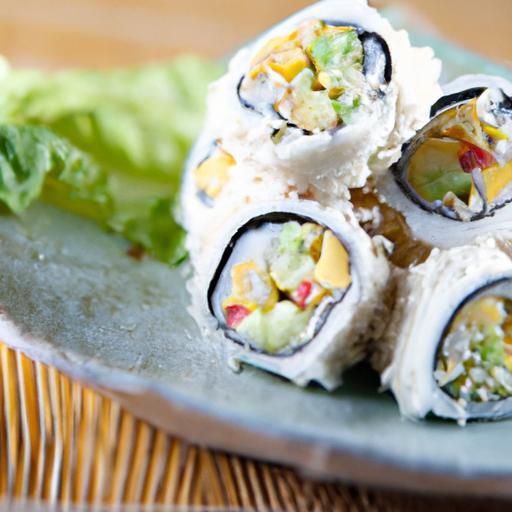
In the vibrant world of culinary artistry, sushi has long been celebrated for its delicate balance of textures, colors, and flavors. Yet beyond the classic fish and seafood offerings lies an exciting frontier: vegetarian sushi rolls, where fresh produce takes center stage and creativity knows no bounds. “Fresh & Flavorful: The Art of Vegetarian Sushi Rolls” invites you to explore this tasty evolution-a harmonious blend of garden-fresh ingredients wrapped in vinegared rice and seaweed. Whether you’re a sushi aficionado or a curious foodie, discover how simple, wholesome elements transform into captivating bites that are as visually stunning as they are nourishing. Dive in and savor the artful simplicity of vegetarian sushi, where every roll tells a story of freshness, flavor, and innovation.
Fresh & Flavorful vegetarian sushi rolls begin with the thoughtful selection of ingredients that bring both vibrancy and balance to each bite. The magic lies not only in the quality of the produce but also in how each component harmonizes to create an irresistible medley of textures and flavors.
Prep and Cook Time
- Planning: 25 minutes
- Cook time: 20 minutes
- Total time: 45 minutes
yield
4 servings (approximately 16 sushi rolls)
Difficulty Level
Medium
Ingredients
- 2 cups sushi rice, rinsed until water runs clear
- 2 ½ cups water for cooking rice
- ⅓ cup rice vinegar
- 3 tbsp sugar
- 1 tsp fine sea salt
- 4 sheets nori (roasted seaweed)
- 1 medium carrot, julienned
- 1 small cucumber, seeded and sliced into thin strips
- 1 ripe avocado, sliced thinly
- ½ cup pickled radish (takuan), cut into strips
- ½ cup steamed asparagus tips, cooled
- 2 tbsp toasted sesame seeds
- Wasabi paste, soy sauce, and pickled ginger for serving
Instructions
- Prepare the Rice: Place rinsed sushi rice and 2 ½ cups water in a heavy saucepan. Bring to a boil, then reduce heat to low, cover, and simmer 18 minutes. Remove from heat and let sit covered for 10 minutes to absorb steam fully.
- Season the Rice: In a small saucepan, combine rice vinegar, sugar, and salt. Warm on low heat until sugar dissolves completely. Transfer cooked rice to a large wooden or glass bowl and gently fold in the vinegar mixture with a wooden spatula. Avoid smashing grains. Fan the rice while mixing to cool and create a shiny texture.
- Prepare Fillings: While the rice cools, julienne the carrot, slice cucumber, avocado, and pickled radish into uniform thin strips. Ensure asparagus tips are tender and cooled to maintain texture.
- Assembly Station: Place a bamboo rolling mat covered with plastic wrap on your work surface.Lay one nori sheet shiny side down.
- Layer the Rice: With wet hands to prevent sticking, gently spread a thin, even layer of rice (about ¾ cup) over the nori, leaving a 1-inch border at the top edge to seal the roll.
- Arrange Fillings: Along the edge closest to you,neatly place a combination of carrot,cucumber,avocado,pickled radish,and asparagus.use vibrant colors evenly for visual appeal and balanced flavor.
- Rolling Technique: Starting from the edge with fillings, lift the mat and roll it over the fillings, applying gentle but firm pressure to shape a tight cylinder. Seal the edge by moistening the nori border with a little water. Let the roll rest seam-side down for 1-2 minutes.
- Cutting Rolls: Using a sharp, dampened knife, slice each roll into 4 equal pieces. Wipe the knife between cuts to keep the slices clean and precise.
- Finishing Touch: Lightly sprinkle toasted sesame seeds over the rolls for subtle nuttiness and a lovely contrast.
- Serve: Plate the vegetarian sushi rolls with small dollops of wasabi, pickled ginger, and a soy sauce dipping bowl.
Tips for Success with Fresh & Flavorful Vegetarian Sushi Rolls
- Use the freshest vegetables possible; their natural sweetness elevates the sushi’s flavor.
- Ensure sushi rice is cooled to room temperature before spreading to avoid wilting the nori.
- Experiment with flavor contrasts such as creamy avocado with crisp cucumber or tangy pickled radish to keep each bite exciting.
- For a vegan soy sauce option, seek out tamari for a gluten-free, richly savory choice.
- Prepare rice a few hours ahead for better seasoning absorption-keep it covered with a damp towel to maintain moisture.
Serving Suggestions
Present these rolls on a sleek wooden sushi board or a white ceramic platter to showcase their colorful layers. Garnish with finely sliced green onions, a sprinkle of black sesame seeds, or edible flowers for a refined touch. Pair with cold green tea or a fresh cucumber salad for a balanced, delightful meal experience.

| Nutrition | Per Serving |
|---|---|
| Calories | 210 kcal |
| Protein | 4 g |
| Carbohydrates | 45 g |
| Fat | 3.5 g |
For more inspiration on plant-based Japanese cuisine, explore our Savory Veggie Tempura recipe. To deepen your understanding of rice varieties and sushi techniques, visit the Serious Eats sushi rice guide.
Q&A
Q&A: Fresh & Flavorful – The Art of Vegetarian Sushi Rolls
Q1: What makes vegetarian sushi rolls stand out from conventional sushi?
A1: Vegetarian sushi rolls celebrate the vibrant colors, textures, and flavors of fresh vegetables, fruits, and plant-based ingredients. Unlike traditional sushi, which frequently enough highlights seafood, vegetarian rolls showcase creative combinations like creamy avocado, crunchy cucumber, earthy mushrooms, and tangy pickled vegetables. This focus on plant-based freshness creates a delightful and wholesome experience that’s both visually stunning and palate-pleasing.
Q2: Which vegetables work best in vegetarian sushi rolls?
A2: The best vegetables for sushi rolls balance texture and flavor. Crisp cucumber, sweet bell peppers, and crunchy carrots add structure, while creamy avocado and tender asparagus offer smoothness. Pickled radishes or daikon add a zesty punch, and blanched spinach or sautéed shiitake mushrooms contribute an umami depth. The key is to mix fresh and cooked elements to create layers of taste and contrast.
Q3: How important is the rice in vegetarian sushi?
A3: Rice is the heart of any sushi roll, vegetarian or not. Perfectly seasoned sushi rice-seasoned with a blend of rice vinegar, sugar, and a pinch of salt-is essential to balance the fresh fillings. Its slightly sticky texture holds the ingredients together, allowing each bite to deliver a harmonious combination of flavors. For vegetarian rolls, the rice’s mild tanginess helps elevate the natural brightness of the vegetables.
Q4: Can fruits be incorporated into vegetarian sushi rolls?
A4: Absolutely! Fruits add a playful burst of sweetness and juiciness that complements savory and tangy components. Mango slices, ripe strawberries, or even thinly sliced kiwi can provide unexpected brightness. Combining fruit with creamy avocado or crunchy nuts within sushi rolls adds complexity and a refreshing twist.
Q5: What sauces or condiments enhance vegetarian sushi without overpowering the fresh ingredients?
A5: Light and nuanced sauces work best. A drizzle of tamari or soy sauce adds a savory umami kick, while wasabi brings a sharp heat that enlivens each mouthful. Pickled ginger offers a palate-cleansing zing, and a subtle brush of sweet miso glaze can deepen flavor without overwhelming the delicate veggies. Avoid heavy or overly sweet sauces to keep the focus on freshness.
Q6: How can beginners master the rolling technique for vegetarian sushi?
A6: Start with a bamboo sushi mat wrapped in plastic wrap for easy cleanup. Lay the nori sheet shiny-side down, spread an even layer of sushi rice leaving a small border at the edges, and arrange your fillings in a neat line across the rice.gently but firmly roll using the mat, applying even pressure to create a tight, cohesive roll. With practice, the roll will be easier to handle and slice into beautiful rounds.
Q7: Are there any plant-based alternatives to traditional sushi garnishes?
A7: Yes! Instead of fish roe, try popping in tiny pearls of flavored spherified fruit juice or balsamic pearls for a burst of taste and elegance. Toasted sesame seeds or finely chopped nori flakes add crunch and depth. Microgreens or edible flowers not only garnish but also bring subtle flavors and a visual flourish to the plate.
Q8: What’s the best way to serve vegetarian sushi rolls for a party or gathering?
A8: Arrange an assortment of colorful rolls on a large platter, garnished with lemon wedges, pickled ginger, and small bowls of dipping sauces. Include chopsticks or bamboo picks and label each roll with its unique vegetable ingredients for easy selection. For a fun twist, offer build-your-own sushi stations where guests can customize rolls with their favorite fresh veggies and sauces.
Q9: How does vegetarian sushi fit into a balanced diet?
A9: Vegetarian sushi pairs wholesome carbohydrates from rice with fiber-rich vegetables and heart-healthy fats from sources like avocado. It’s naturally low in saturated fat and can be nutrient-dense when including ingredients like seaweed (rich in iodine), fresh greens, and legumes. It’s a delicious way to enjoy a light yet satisfying meal that’s full of vitamins and antioxidants.
Q10: Can vegetarian sushi rolls be made ahead of time?
A10: It’s best to assemble vegetarian sushi shortly before serving to maintain optimal texture and freshness. Though, you can prepare and store sliced vegetables, cooked rice, and other fillings in advance.To avoid soggy rolls, keep ingredients chilled until rolling and serve promptly once made. If storing, wrap tightly in plastic wrap and refrigerate, consuming within a few hours for best quality.
The Conclusion
As the world of sushi continues to expand beyond its traditional boundaries, vegetarian rolls stand out as vibrant testaments to creativity and freshness. By embracing a colorful palette of crisp vegetables, fragrant herbs, and inventive sauces, vegetarian sushi invites us to savor nature’s bounty in every bite. Whether you’re a seasoned sushi lover or a curious newcomer, mastering the art of vegetarian sushi rolls opens the door to endless flavor combinations and mindful eating. so roll up your sleeves, gather your favorite ingredients, and dive into a culinary journey that celebrates freshness, flavor, and the joyous simplicity of plant-based perfection.