

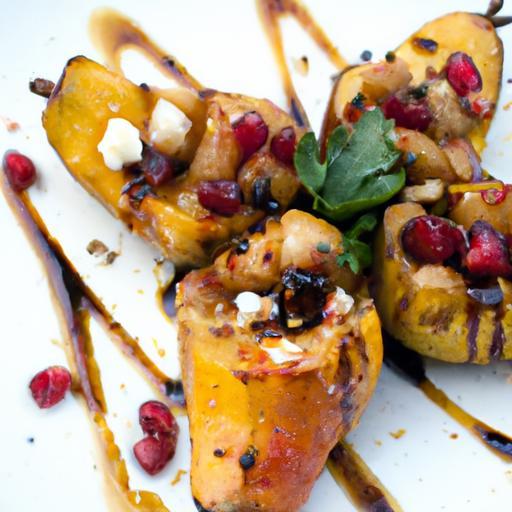
As autumn’s vibrant palette unfolds, the humble acorn squash steps into the spotlight, its golden flesh a canvas for culinary creativity. when roasted to tender perfection, this seasonal gem reveals a naturally sweet, nutty flavor that begs for a touch of contrast. Enter pomegranate molasses-a luscious, tangy syrup born from simmered pomegranate juice-whose vibrant acidity and subtle sweetness elevate the dish to new heights. Together,roasted acorn squash drizzled with tangy pomegranate molasses becomes a harmonious dance of flavors and textures,celebrating the bounty of fall with every bite.Weather gracing a festive table or starring in a weeknight meal,this pairing promises warmth,depth,and a splash of unexpected brightness.
The Art of Perfectly Roasting Acorn Squash for Maximum Flavor
Roasted Acorn Squash drizzled with tangy pomegranate molasses is a vibrant celebration of fall’s bounty, transforming humble ingredients into a dish layered with warmth, tang, and subtle sweetness. This simple yet elegant recipe highlights the buttery texture of perfectly roasted acorn squash, enhanced by the bold, zesty magic of pomegranate molasses-a Middle Eastern elixir known for its deep, fruity tartness that awakens every savory bite.
The key to unlocking maximum flavor lies in roasting the acorn squash until caramelized edges frame its golden flesh, elevating natural sugars and creating a buttery mouthfeel. The finish of a glossy, tart drizzle of pomegranate molasses bursts like sun-ripened jewels across the warm squash, making each forkful an explosion of complex, balanced flavors. Whether your looking to impress guests or savor a cozy, wholesome side, this recipe offers an approachable path to culinary artistry.
Prep and Cook Time
- Preparation: 10 minutes
- Cooking: 40 minutes
- Total Time: 50 minutes
Yield
Serves 4 as a side dish
Difficulty Level
Easy
Ingredients
- 2 medium acorn squash, halved and seeded
- 3 tablespoons extra-virgin olive oil
- 1 teaspoon fine sea salt
- ½ teaspoon freshly ground black pepper
- 2 tablespoons pomegranate molasses
- 1 tablespoon fresh lemon juice
- 1 teaspoon ground cumin
- 2 tablespoons toasted pepitas or chopped toasted walnuts (optional garnish)
- Fresh microgreens or pomegranate arils for garnish
Instructions
- Preheat your oven to 400°F (200°C). Line a baking sheet with parchment paper or a silicone mat for easy cleanup.
- Prepare the acorn squash: Place the halved and seeded squash cut-side up. Drizzle 2 tablespoons of olive oil evenly over the cut surfaces. Sprinkle sea salt, black pepper, and ground cumin generously to season.
- roast until tender and caramelized: Transfer to the preheated oven. Roast for 35-40 minutes, or until the flesh is soft and the edges develop a deep golden-brown crust. Test doneness by piercing with a fork; it should slide in smoothly.
- Make the pomegranate molasses drizzle: In a small bowl, whisk together the pomegranate molasses, remaining 1 tablespoon olive oil, and fresh lemon juice until glossy and combined. This balance of acidity and sweetness will complement the roasted squash beautifully.
- Drizzle and finish: Remove the squash from the oven and allow it to cool slightly for 5 minutes. Using a spoon, generously drizzle the pomegranate molasses mixture over each half, making sure to coat every caramelized nook and cranny for vibrant flavor.
- Garnish and serve: Sprinkle toasted pepitas or walnuts over the squash for crunch, and scatter fresh microgreens or pomegranate arils on top for a jewel-like finish that pleases both the eyes and palate.
Tips for Success
- Select squash with smooth, firm skin and a deep green hue to ensure freshness and sweeter flesh.
- Roast cut-side up to maximize caramelization and maintain a tender interior.
- adjust seasoning by adding a pinch of smoked paprika or cinnamon for subtle warmth without overpowering the molasses tang.
- Make ahead: roast the squash in advance and keep pomegranate molasses drizzle refrigerated separately. Warm both before serving to maintain texture and flavor.
- For a vegan twist, swap pepitas for roasted chickpeas to add protein and crunchy texture.
Step-by-Step Guide to Drizzling and Serving for an Elegant Presentation
After roasting, resist the urge to rush-let the squash rest briefly so the residual heat settles, maximizing juiciness. When drizzling the pomegranate molasses mixture, use a spoon or a small ladle to create irregular, organic ribbons that catch the light. This technique creates a tantalizing visual contrast between the glossy deep red glaze and the matte, caramelized orange squash.Garnishes should be sprinkled with intention: scatter pomegranate arils like tiny rubies and strategically place microgreens for height and freshness.
Serve the acorn squash halves on a warm platter or wooden board to emphasize rustic elegance. Use a delicate butter knife or fork to show this dish is best enjoyed slowly-every bite revealing layers of flavor and texture.
Pairing Suggestions and Tips to Elevate Your Roasted Acorn Squash Experience
This roasted acorn squash dish pairs beautifully with a range of mains and sides to complete your meal. for a vegetarian feast, consider serving alongside a vibrant lentil salad topped with fresh herbs and toasted nuts, providing a protein-rich complement that contrasts with the sweet-tangy squash.
If you prefer seafood, delicate grilled trout or herb-crusted baked salmon offer a lovely, light balance without overpowering the pomegranate molasses’ brightness. Serve fresh, crusty bread or quinoa pilaf on the side to soak up any remaining glaze and juices.
Don’t forget a refreshing beverage like a citrusy iced herbal tea or sparkling water infused with cucumber and mint to cleanse the palate and accentuate the bold flavors of this recipe.
| Nutrient | Per Serving |
|---|---|
| Calories | 180 kcal |
| Protein | 3 g |
| Carbohydrates | 25 g |
| Fat | 8 g |

For more inspiring vegetable recipes, check out our Seasonal Roasted Vegetables collection. Learn about the fascinating history and health benefits of pomegranate molasses from Encyclopedia britannica.
Q&A
Q&A: Roasted Acorn Squash Drizzled with Tangy Pomegranate Molasses
Q: What makes acorn squash a great choice for roasting?
A: Acorn squash is naturally sweet and tender when roasted. Its dense, buttery flesh caramelizes beautifully, offering a rich, nutty flavor that’s both comforting and versatile. Plus, its unique shape makes it a charming, edible bowl for serving!
Q: Why pair roasted acorn squash with pomegranate molasses?
A: Pomegranate molasses brings a vibrant balance to the sweet, mellow squash.Its tangy, slightly tart notes cut through the richness, creating a harmonious contrast that brightens each bite. This pairing is a dance of sweet and sour flavors that awaken the palate.
Q: How do you prepare acorn squash for roasting?
A: Start by cutting the squash in half and scooping out the seeds.Then, brush the cut sides with olive oil and season lightly with salt and pepper. Roast face down on a baking sheet at around 400°F (200°C) for 40-50 minutes until the flesh is tender and caramelized.
Q: Can this dish be made ahead of time?
A: Absolutely! Roasted acorn squash can be prepared a day ahead and gently reheated before serving. You can even drizzle the pomegranate molasses just before serving to keep its bold tang intact and visually appealing.
Q: What other toppings or accompaniments work well with this dish?
A: Sprinkle toasted nuts like pistachios or walnuts for crunch, or add a scattering of fresh herbs like parsley or mint for brightness. A dollop of creamy yogurt or crumbled feta can also add a luscious contrast to the sweet and tangy layers.
Q: Is there a way to make this recipe vegan and gluten-free?
A: Absolutely! this dish is naturally vegan and gluten-free-using just fresh vegetables, olive oil, and pomegranate molasses ensures it fits perfectly into those diets without any adjustments.
Q: How does roasting enhance the flavor of acorn squash compared to other cooking methods?
A: Roasting transforms acorn squash by concentrating its natural sugars, giving it a deeper, caramelized flavor that steaming or boiling can’t achieve. The high heat also crisps the edges slightly, adding texture and complexity.
Q: Where can I find pomegranate molasses, and is there a substitute if I can’t find it?
A: Pomegranate molasses is available in most well-stocked grocery stores or Middle Eastern markets. If you can’t find it, a mix of fresh pomegranate juice reduced with a bit of lemon juice and sugar can mimic its tangy-sweet punch, though the flavor won’t be quite as intense.
Q: What season is best for cooking with acorn squash?
A: Acorn squash thrives in autumn and early winter. Its peak season runs from late fall through early winter, making it a cozy, seasonal ingredient perfect for chilly evenings and holiday dishes.
Q: How can I serve roasted acorn squash drizzled with pomegranate molasses for a special occasion?
A: For an elegant presentation, roast the squash halves whole, then drizzle with molasses and garnish with pomegranate seeds and fresh herbs.Serve on a rustic platter, letting the vibrant colors and inviting aromas set a festive mood at your table.
Final Thoughts
As the warm, caramelized edges of roasted acorn squash meet the vibrant tartness of pomegranate molasses, this dish transforms humble ingredients into a symphony of flavors that dance on your palate. Whether served as a cozy side for autumn dinners or a standout centerpiece at holiday gatherings, the marriage of sweet, nutty squash and tangy glaze offers both comfort and sophistication. Embracing this recipe not only celebrates seasonal bounty but also invites you to explore the delightful balance between earthiness and zest-a culinary harmony worthy of your table all year round.