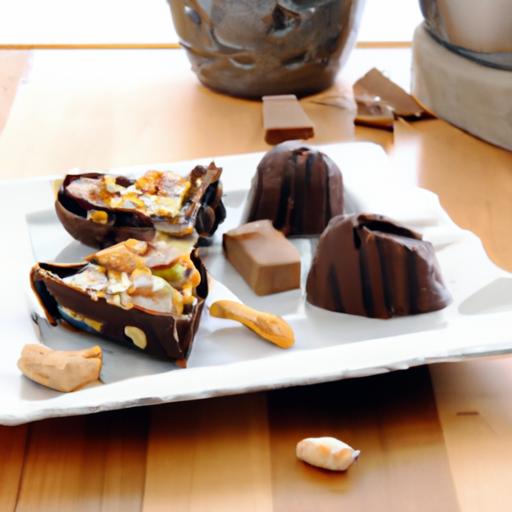

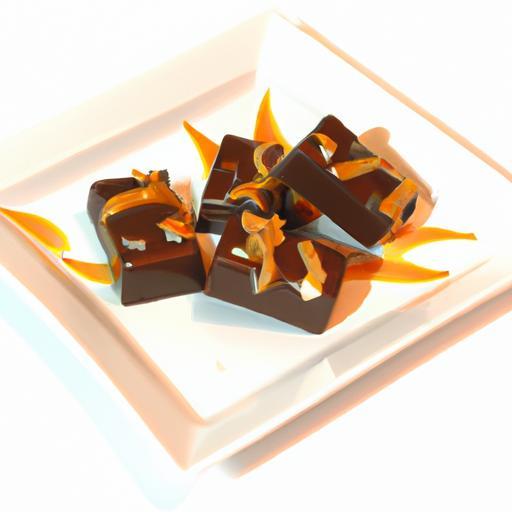
There’s a certain magic in the marriage of textures and flavors that turns a simple treat into an unforgettable indulgence. Enter chocolate-covered honeycomb toffee-a confection that dances on the palate with the perfect harmony of airy crunch and rich, velvety sweetness. This delightful creation, often known as sponge toffee or cinder toffee, combines the ancient art of caramelizing sugar with the luxurious embrace of fine chocolate, resulting in a sensory experience that’s as much science as it is sweetness. In this article, we’ll unravel the fascinating chemistry behind honeycomb toffee’s signature bubbles, explore the craft of coating it in chocolate, and celebrate the alchemy that makes this confection a timeless favorite across the world.
The sweet Science of Chocolate-Covered Honeycomb Toffee unlocks a magical combination were light, airy crunch meets silky smooth chocolate.This treat traces its roots back to humble British kitchens, where simple pantry staples transformed into the delightfully crisp honeycomb toffee. What makes this recipe truly captivating is the precise alchemy behind the honeycomb’s perfect texture and the thoughtful balance between the toffee’s caramelized bitterness and the luscious chocolate coating that envelops it.
Prep and Cook time
Preparation: 10 minutes | Cooking: 15 minutes | Cooling and Setting: 40 minutes
Yield
Serves 8-10 generous pieces
Difficulty Level
Medium – requires attention to candy temperatures and smooth chocolate melting
Ingredients
- 1 cup granulated sugar
- 1/4 cup light corn syrup
- 2 tablespoons golden syrup (or substitute with honey for a subtle floral note)
- 1 teaspoon baking soda, sifted
- 1/4 cup boiling water
- 8 oz high-quality dark chocolate (at least 60% cocoa), chopped
- 1 teaspoon coconut oil (optional, for a glossy chocolate finish)
- Flaky sea salt (optional, for garnish)
Instructions
- Prepare your workspace: Line a 9×9 inch square pan with parchment paper, leaving an overhang for easy removal. Have all ingredients measured and ready.
- cook the syrup base: In a medium heavy-bottomed saucepan, combine sugar, corn syrup, and golden syrup with the boiling water. Stir gently over medium heat untill the sugar entirely dissolves.
- Boil to hard crack: Bring the mixture to a vigorous boil without stirring.Using a candy thermometer, cook until the temperature reaches 300°F (hard crack stage).This is the cornerstone of perfectly crisp honeycomb.
- Transform with baking soda: Remove from heat immediately. Quickly whisk in the baking soda-watch as the mixture foams and expands into a golden, aerated cloud. Pour swiftly into the prepared pan and avoid disturbing for 30 minutes as it cools and solidifies.
- Break and prep honeycomb: Once cooled, lift the honeycomb from the pan using the parchment overhang. Break into bite-sized chunks with clean hands or a sharp knife.
- Melt the chocolate: Using a double boiler or microwave in short bursts, gently melt the dark chocolate with coconut oil until smooth and glossy. Stir frequently to prevent scorching.
- coat the honeycomb: Dip the honeycomb pieces into the melted chocolate using forks or skewers, ensuring they’re evenly covered. Place coated pieces on parchment or wire racks.
- Garnish and set: Sprinkle with flaky sea salt immediately for a flavor contrast. Allow the chocolate to set fully at room temperature or in the refrigerator.
Tips for Success
- Temperature precision: Rely on a candy thermometer to hit the hard crack stage exactly; undercooking leads to sticky honeycomb, overcooking causes bitterness.
- Even coating: Use room-temperature chocolate that’s just melted-too warm and the honeycomb will soften, too cool and the coating becomes brittle.
- Storage: Keep the finished chocolate-covered honeycomb in an airtight container, separated by parchment, at cool room temperature to retain crispness.
- Variations: For a richer depth, try semi-sweet or single-origin dark chocolate. To amplify bitterness,select chocolates with 70% cocoa or higher.
- Troubleshooting: If honeycomb collapses or becomes chewy, revisit your syrup temperature and avoid moisture exposure during cooling.
serving Suggestions
Present your chocolate-covered honeycomb on a rustic wooden board, garnished with fresh mint leaves or edible gold leaf for a luxe touch. Pair alongside a cup of bold, freshly brewed espresso or a mild herbal tea to complement the flavor layers. For festive occasions, scatter crushed pistachios or candied orange zest atop the chocolate before setting for added texture and vibrancy.
| Nutrient | per Serving (1 piece) |
|---|---|
| Calories | 160 |
| Protein | 2g |
| Carbohydrates | 22g |
| Fat | 7g |

Discover more about balancing chocolate and sweets in our guide to chocolate dessert pairings. For a deeper dive into the chemistry of caramelization, visit the Cook’s Info caramelization overview.
Q&A
Q&A: The Sweet Science of Chocolate-Covered Honeycomb Toffee
Q: What exactly is honeycomb toffee, and how is it made?
A: Honeycomb toffee, also known as sponge toffee or cinder toffee, is a light and airy confection created by incorporating a leavening agent-usually baking soda-into a hot sugar syrup. when the baking soda reacts with the heat, it releases carbon dioxide bubbles that expand rapidly, forming a crunchy, porous texture reminiscent of a honeycomb. The result is a delightfully crisp treat with a caramelized flavor and an irresistible crunch.Q: Why is it vital to get the sugar syrup to the right temperature?
A: Temperature is everything in candy making! For honeycomb toffee,the sugar syrup must reach the “hard crack” stage,around 300°F (150°C). At this point, the syrup has the perfect concentration and viscosity to solidify with a satisfying snap once cooled. If the temperature is too low, the toffee will be soft and sticky; too high, and it risks burning, which imparts bitterness and ruins the flavor.
Q: What role does baking soda play in creating honeycomb toffee’s texture?
A: Baking soda acts as a magical bubble creator. When it meets the hot acidic sugar syrup, it produces carbon dioxide gas. These tiny bubbles are trapped as the syrup quickly cools and hardens, freezing the toffee’s signature airy, sponge-like structure. Without this fizzing reaction, honeycomb toffee would be dense and chewy rather than light and crunchy.
Q: How does covering honeycomb toffee in chocolate enhance the experience?
A: Chocolate creates the perfect flavor and textural contrast to honeycomb toffee’s crisp sweetness. The smooth, creamy melt of chocolate tempers the bright caramel notes and crunchy brittleness, offering a harmonious blend of richness and snap. Additionally,the chocolate shell protects the fragile toffee from moisture,prolonging freshness and making it easier to handle.
Q: Are certain types of chocolate better when coating honeycomb toffee?
A: Yes! Dark chocolate’s slight bitterness pairs beautifully with the toffee’s sweet caramel,balancing the overall flavor. Milk chocolate adds a creamier, softer sweetness, while white chocolate offers a lush, buttery dimension. The key is choosing high-quality chocolate that melts smoothly and sets with a glossy finish, ensuring an irresistible bite.
Q: Can honeycomb toffee be flavored or modified?
A: Absolutely! While classic honeycomb toffee carries the pure flavor of caramelized sugar, adventurous cooks can infuse subtle hints by adding vanilla extract, or even a pinch of sea salt to elevate the taste.Some variations incorporate citrus zest, ginger, or spices like cinnamon for seasonal twists. The toffee can also be sprinkled with toppings-sea salt, crushed nuts, or edible glitter-before the chocolate sets to create a bespoke confection.
Q: What are the biggest challenges when making honeycomb toffee at home?
A: Timing and temperature control are the toughest hurdles. You need to heat the sugar syrup precisely without burning it, then swiftly stir in baking soda to create bubbles before the mixture hardens. also, once the toffee is poured out, it sets fast-any delay can prevent it from expanding fully. Working quickly, having all ingredients and tools ready, and using a reliable candy thermometer are essential secrets to success.
Q: How should chocolate-covered honeycomb toffee be stored?
A: Keep it cool, dry, and airtight to preserve that perfect crunch. Honeycomb toffee loves low humidity and moderate temperatures. Storing it in a sealed container prevents moisture from softening the brittle texture and protects the chocolate from melting or blooming. When well-stored, your candy can stay fresh for up to two weeks-though it rarely lasts that long!
Q: What inspired the creation of honeycomb toffee?
A: The origins of honeycomb toffee are steeped in the tradition of sugar craft, evolving from simple boiled sugar candies that featured bubbles from natural fermentation or leavening agents. Its airy structure and sweet, toasty flavor captured imaginations worldwide, becoming a beloved treat in various cultures under diffrent names. Chocolate coating likely emerged as an elegant enhancement, marrying two classic delights into one sensational confection.
Q: Why is honeycomb toffee sometimes called “cinder toffee” or “sponge toffee”?
A: All these names evoke the candy’s unique texture and appearance. “Cinder” hints at the dark, caramelized look with tiny holes like cooling embers, while “sponge” reflects its porous, airy structure that feels almost like biting into a crunchy sponge. “Honeycomb” perfectly captures the visual resemblance to the natural beehive structure formed by the interconnected bubbles.
Exploring the sweet science behind chocolate-covered honeycomb toffee reveals it as a candy that masterfully blends chemistry and artistry-a appetizing example of how simple ingredients, when combined with precise techniques, create magical textures and flavors that delight the senses.
To conclude
As we unwrap the layers of chocolate-covered honeycomb toffee, we discover more than just a treat – we uncover a delicate dance of chemistry and craft, where simple ingredients transform into a symphony of textures and flavors. This sweet science invites both food enthusiasts and curious minds alike to appreciate the alchemy behind each crunchy, melt-in-your-mouth bite.So next time you savor that golden, caramelized crunch cloaked in rich chocolate, remember: you’re tasting the delicious result of a precise blend of art and science, perfectly harmonized to create one of confectionery’s most delightful masterpieces.