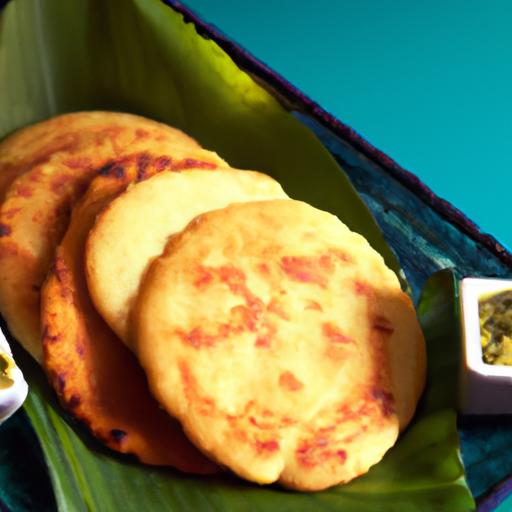

At first bite, the humble arepa reveals a story centuries in the making-a golden, crispy-edged corn cake that has quietly bridged two vibrant cultures. In both Colombia and Venezuela, arepas are more than just food; they are a beloved culinary emblem, a daily ritual, and a symbol of shared heritage that transcends borders. From bustling street corners to family kitchens, these versatile cakes carry flavors, traditions, and memories, unfolding a rich tapestry of history and unity. Join us as we peel back the layers of this iconic dish and explore how arepas continue to unite two nations with every warm, appetizing mouthful.
Exploring Arepas Unveiled: The Corn Cakes Uniting Colombia & Venezuela
Arepas unveiled are not just humble corn cakes; they are a symbol of cultural identity, a culinary bridge between Colombia and Venezuela that has been delighting taste buds for centuries. Rooted deeply in indigenous traditions, these versatile corn-based breads embody the history, spirit, and flavors of two vibrant nations. My first encounter with an arepa was under the golden glow of a Venezuelan street vendor’s cart-fresh, warm, and stuffed with melting cheese-capturing a moment of simple, unforgettable joy. Today, we journey through the rich origins and regional twists of this beloved dish and master how to recreate its perfect texture and flavor in your own kitchen.
Prep and Cook Time
- Readiness: 15 minutes
- cooking: 15 minutes
- Total Time: 30 minutes
Yield
Serves 4 – makes 8 medium-sized arepas
Difficulty Level
Easy to Medium – Ideal for home cooks wanting to master this staple
Ingredients
- 2 cups precooked white cornmeal (such as masarepa)
- 2 ½ cups warm water
- 1 teaspoon fine sea salt
- 2 tablespoons vegetable oil or melted butter (plus extra for grilling)
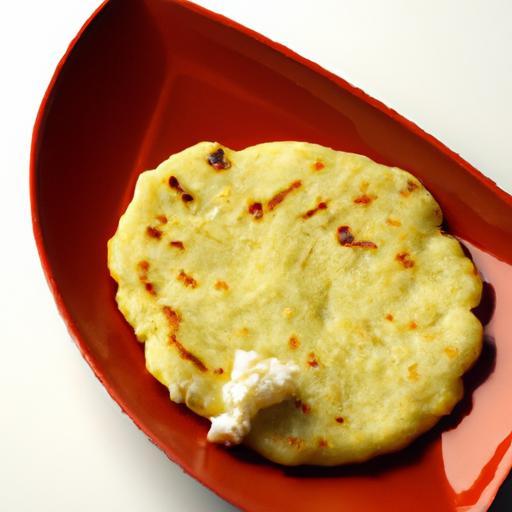
- Optional: ½ cup grated fresh mozzarella or queso blanco for cheesy arepas
instructions
- Combine the dough: in a large bowl, mix warm water and salt until dissolved. Gradually add the precooked cornmeal while stirring to prevent lumps. Let the mixture rest for 5 minutes to hydrate fully.
- Knead gently: Using your hands, knead the dough gently until soft and pliable but not sticky.Add a splash of water or more cornmeal as needed to achieve a smooth, malleable consistency.
- shape the arepas: Divide the dough into 8 equal portions. Roll each into a ball and flatten into discs approximately ½ inch thick and 4 inches in diameter. Keep them uniform to ensure even cooking.
- Pre-cook on griddle: Heat a nonstick skillet or cast-iron griddle over medium heat and brush lightly with oil. place arepas on the skillet and cook 5-7 minutes per side until a golden crust forms. Flip carefully to avoid cracking.
- Finish in the oven: Transfer the arepas to a 350°F (175°C) oven on a baking tray and bake for 10 minutes. This step ensures a fully cooked interior with a moist,tender crumb.
- Slice and fill: Remove from oven and let cool slightly. Using a serrated knife, slice each arepa horizontally, creating a pocket for traditional fillings.
Tips for Success
- Water temperature: Using warm water helps the cornmeal hydrate better, producing a tender dough.
- Oil choice: Vegetable oil keeps arepas crispy outside, but butter adds richness for a golden crust.
- Resting time: Allow the dough to rest to avoid dry, crumbly arepas.
- cooking technique: Avoid high heat that can burn the exterior before cooking through.
- Make-ahead: Arepas can be made in advance and reheated on a skillet or opened on a grill for fresh warmth.
- Cheesy arepas: Fold grated cheese into the dough before cooking for a luscious surprise.
Serving Suggestions
Serve traditional arepas unveiled with these beloved Colombian and Venezuelan fillings for an authentic experience:
- Venezuelan Reina Pepiada: Creamy shredded chicken mixed with avocado and mayonnaise.
- Colombian Queso y Hogao: Soft white cheese paired with hogao-a tomato and onion stew spiced with cumin and cilantro.
- black beans and ripe plantains: A vegetarian option perfect for balancing sweet and savory.
- Grilled vegetables and fresh salsa: For a light, wholesome filling that complements the corn flavor.
Garnish with fresh cilantro, a wedge of lime, or drizzle a hint of garlic-infused oil to elevate your plate visually and on the palate.

| Nutrient | Per serving (2 arepas) |
|---|---|
| Calories | 220 |
| Protein | 5 g |
| Carbohydrates | 42 g |
| Fat | 4 g |
For a deeper dive into Latin American corn-based breads and their cultural importance, explore our guide to regional breads. To understand the culinary heritage behind arepas unveiled, visit the Smithsonian Latino Centre’s food history resource.
Q&A
Q&A: Arepas Unveiled: The Corn Cakes Uniting Colombia & Venezuela
Q1: What exactly is an arepa?
A1: At its heart, an arepa is a beloved corn cake made from ground maize dough or precooked corn flour. Crispy on the outside and tender on the inside, this humble staple is a culinary canvas that has fed generations in Colombia and Venezuela. Simple yet versatile, its toasted, grilled, or fried to golden perfection.
Q2: How did arepas become a shared symbol between Colombia and Venezuela?
A2: The origins of the arepa trace back to indigenous peoples long before modern borders existed. Both Colombia and Venezuela adopted and adapted the arepa, turning it into a culinary emblem of their diverse cultures. Today, the arepa stands as a delicious bridge, symbolizing unity and shared heritage despite differing regional traditions.
Q3: Are there differences in how Colombians and Venezuelans prepare their arepas?
A3: Absolutely! Colombian arepas tend to be thinner and frequently enough incorporate a sprinkle of cheese directly into the dough. They might be grilled or baked and enjoyed as a snack or accompaniment. Venezuelan arepas are typically thicker, split open, and stuffed generously with fillings like black beans, avocado, shredded chicken, or cheeses-creating a hand-held feast.
Q4: What are some classic fillings or toppings that celebrate the arepa?
A4: The list is as vibrant as the cultures themselves. Popular Venezuelan fillings include shredded chicken marinated in savory herbs, black beans combined with sweet plantains, fresh avocado slices, and a variety of local cheeses that melt delightfully. Colombian variants might feature melted costeño cheese or even a dollop of tangy hogao sauce, made from tomatoes and onions, celebrating local flavors.
Q5: Why is the arepa considered more than just food in these countries?
A5: The arepa transcends mere sustenance-it’s a vessel of identity, community, and history.Whether enjoyed at bustling street stalls, around family tables, or during festive celebrations, it embodies comfort and connection.Families pass down recipes like cherished heirlooms, and sharing arepas becomes an expression of love, tradition, and pride.
Q6: How has the arepa evolved in modern times?
A6: Today, the arepa enjoys a renaissance on international menus and in innovative kitchens. Chefs experiment with diverse fillings-plant-based proteins, vibrant vegetables, and a rain of fresh herbs-honoring both tradition and contemporary palates. Yet, despite its evolution, the core essence remains: simple maize transformed into something extraordinary.Q7: Can someone outside Colombia and Venezuela enjoy authentic arepas at home?
A7: Absolutely! With precooked corn flour readily available in many markets, crafting arepas is an accessible and rewarding culinary adventure.The process involves mixing the flour with water and salt,forming dough balls,pressing them into discs,and cooking them until they develop that perfect crust. From there, fill or top them with your favorite fresh ingredients and savor a piece of Latin American heritage.
Q8: What makes the arepa a symbol of unity between these two nations?
A8: Amid distinct dialects, landscapes, and histories, the arepa serves as a delicious reminder of shared roots.It’s a staple that crosses borders, celebrated by communities on both sides with equal passion. This corn cake, simple yet profound, invites connection-one bite at a time-uniting Colombia and Venezuela in a flavorful embrace.
Closing Remarks
As the warm aroma of freshly cooked arepas fills kitchens from Bogotá to Caracas, it’s clear that this humble corn cake is far more than just a staple food-it is indeed a symbol of shared heritage, resilience, and cultural pride. Whether crisped to golden perfection on a griddle or stuffed with savory fillings, arepas continue to nourish not onyl bodies but also the enduring bond between Colombia and Venezuela. in every bite, these golden discs tell a timeless story of unity forged through flavor, reminding us that sometimes, the simplest dishes hold the richest histories. So next time you savor an arepa, remember you’re partaking in a culinary tradition that unites two nations in a delicious embrace.