
In a world brimming with endless culinary possibilities, sometimes all it takes is a single dash-or in this case, a spoonful-to transform an ordinary meal into an extraordinary experience. Enter gochujang noodles: a vibrant fusion of fiery Korean chili paste and silky strands that dance on your taste buds with every bite. Whether you’re a seasoned spice lover or a curious foodie eager to explore new flavors, the magic of gochujang noodles lies not just in their bold, complex heat but in their ability to elevate a humble bowl into a celebration of taste and texture. join us as we unravel the secrets behind this addictive dish and discover how gochujang noodles can effortlessly spice up your culinary repertoire.
Spice up your bowl tonight with a vibrant gochujang noodle bowl that dances on your palate with smoky heat, subtle sweetness, and umami-rich depth. Originating from Korean cuisine, gochujang is a fermented chili paste that transforms humble ingredients into a bold flavor adventure. This recipe will guide you step by step in crafting a noodle bowl that’s as comforting as it is indeed exciting – perfect for weeknight dinners or sharing with friends. Inspired by its culinary roots, this dish balances spicy, savory, and tangy notes for an unforgettable bite.
Prep and Cook Time
- Prep Time: 15 minutes
- Cook Time: 20 minutes
- Total Time: 35 minutes
Yield
Serves 4 generous portions
Difficulty Level
Medium – accessible for cooks pleasant with stir-frying and noodle planning
Ingredients
- 8 oz wheat noodles (udon or thick ramen-style, cooked and drained)
- 3 tbsp gochujang (Korean chili paste)
- 2 tbsp soy sauce (low sodium preferred)
- 1 tbsp toasted sesame oil
- 1 tbsp honey or maple syrup
- 2 cloves garlic, minced
- 1 tsp freshly grated ginger
- 1/2 cup vegetable broth or water
- 1 tbsp rice vinegar
- 1 cup shiitake mushrooms, sliced
- 1 medium carrot, julienned
- 1 cup baby spinach, roughly chopped
- 2 green onions, sliced thinly
- 1 tsp toasted sesame seeds for garnish
- 1 soft-boiled egg per serving (optional but recommended)
- Neutral oil for sautéing (e.g., grapeseed or canola oil)
Instructions
- Prepare the noodles: Cook your wheat noodles according to package instructions untill al dente. Drain, rinse under cold water, and set aside to prevent sticking.
- Make the sauce: In a small bowl, whisk together gochujang, soy sauce, honey, sesame oil, rice vinegar, minced garlic, and grated ginger until smooth and cohesive.
- Sauté the vegetables: Heat 1 tablespoon of neutral oil in a large skillet or wok over medium-high heat. Add the sliced shiitake mushrooms and carrot juliennes. Sauté until mushrooms release their aroma and veggies are tender-crisp, about 5 minutes. Stir frequently to achieve golden edges without burning.
- Combine sauce and broth: Pour the sauce mixture into the skillet, followed by the vegetable broth. stir well, letting it simmer gently for 2-3 minutes until the sauce thickens slightly and coats the vegetables beautifully.
- Toss in noodles and spinach: Add the drained noodles and baby spinach to the skillet.Using tongs, gently toss everything to allow the noodles to soak up the fragrant sauce while the spinach wilts evenly.
- Finish and garnish: Remove from heat and divide the noodles among bowls. Top each with sliced green onions, toasted sesame seeds, and a perfectly cooked soft-boiled egg for richness.
Tips for Success
- Adjust heat levels: If you prefer milder spice, start with 2 tablespoons of gochujang and add more to taste.
- Noodle substitutions: Try buckwheat soba or rice noodles for gluten-free alternatives.
- Make-ahead sauce: the sauce can be mixed in advance and refrigerated for up to one week, allowing flavors to deepen.
- Protein additions: For extra heartiness, include sautéed tofu cubes or shredded chicken (cooked separately) once the sauce is ready.
- Prevent sticking: Rinse cooked noodles in cool water to stop further cooking and toss lightly with sesame oil before adding to the skillet.
Serving Suggestions
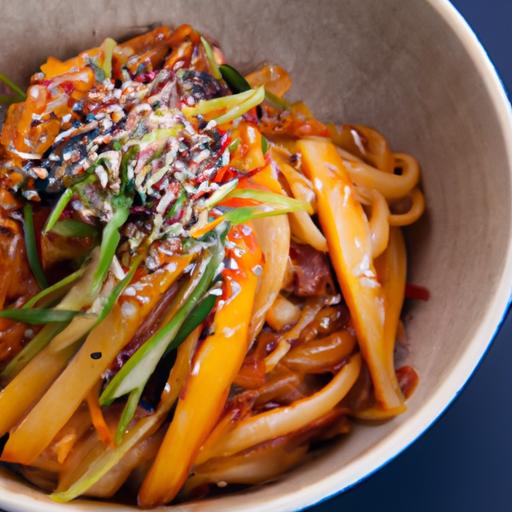
present this vibrant gochujang noodle bowl in wide, shallow bowls that showcase the colorful vegetables and garnishes. Add a wedge of lime on the side for a fresh citrus kiss. Accompany with crisp kimchi or pickled radishes for traditional korean contrast. for textural delight, sprinkle crushed roasted peanuts or fried garlic chips on top. Serve with chopsticks and a spoon to savor every silky, spicy bite.
| Nutrient | Per Serving |
|---|---|
| Calories | 420 kcal |
| Protein | 15 g |
| Carbohydrates | 58 g |
| fat | 12 g |

For a deeper dive into Korean flavors,check out our Ultimate Guide to Korean Cooking. To learn more about the health benefits of fermented foods like gochujang, visit the National Center for Complementary and Integrative Health.
Q&A
Q&A: Spice Up Your Bowl: The Magic of Gochujang Noodles Unveiled
Q1: What exactly is gochujang, and why does it make noodles so special?
A1: Gochujang is a rich, savory Korean chili paste made from fermented red chili peppers, glutinous rice, and fermented soybeans. Its unique blend of spicy, sweet, and umami flavors transforms a simple bowl of noodles into an exhilarating flavor fiesta, adding depth and a pleasant heat that keeps you coming back for more.
Q2: Can gochujang noodles be enjoyed by people who aren’t fans of spicy food?
A2: Absolutely! While gochujang does have a spicy kick, its sweetness and umami qualities help balance the heat. you can always adjust the amount of gochujang to suit your taste-starting with a little and building up until you find your perfect spicy-sweet harmony.
Q3: What kinds of noodles work best with gochujang?
A3: the beauty of gochujang is its versatility. It pairs wonderfully with chewy wheat noodles like udon or ramen, silky glass noodles made from sweet potato starch, or even cold buckwheat soba. Each noodle type offers a different texture experience, turning the humble dish into a customizable delight.
Q4: Are there great vegetarian or vegan toppings that complement gochujang noodles?
A4: Definitely! Gochujang noodles shine when topped with fresh ingredients like julienned cucumbers, sautéed mushrooms, crisp bean sprouts, shredded carrots, or a perfectly soft-boiled egg.For added protein, grilled tofu or tempeh offer satisfying, plant-based options that soak up those spicy-sweet flavors beautifully.
Q5: How do I balance gochujang’s bold flavor in the dish?
A5: Balancing is key! Ingredients like sesame oil add nutty warmth, while a squeeze of lime or a splash of rice vinegar brightens and contrasts the paste’s richness. don’t forget crunchy sesame seeds and fresh scallions-they add layers of texture and freshness that elevate every bite.
Q6: Can gochujang noodles be made into a cold dish?
A6: Yes! Cold gochujang noodles are a fantastic way to enjoy a refreshing yet spicy meal. Simply toss cooked noodles with gochujang sauce, some vinegar, a touch of sugar, and chill. Add crisp vegetables and a sprinkle of toasted seaweed for a cool, tangy, and fiery sensation-perfect for warm days.
Q7: What makes gochujang noodles stand out compared to other spicy noodle dishes?
A7: It’s all about that fermented depth. unlike straightforward chili sauces, gochujang offers layers of flavor that unfold with every bite-from sweet and savory to smoky and pungent-making each mouthful a story. It’s a flavorful cultural journey packed into a bowl!
Q8: Is making gochujang noodles at home complicated?
A8: Not at all! With just a few pantry staples-noodles, gochujang paste, garlic, sesame oil, and your preferred fresh toppings-you can whip up this dish in under 30 minutes. It’s an accessible way to bring a bold taste of Korea to your kitchen without fuss.
Q9: Can gochujang noodles be part of a balanced meal?
A9: yes, when paired with fresh vegetables and a source of protein like tofu or eggs, gochujang noodles can be both satisfying and nutritious. The combination of carbs,vitamins,and protein fuels your body while the flavors excite your palate.
Q10: Where can I find gochujang paste for my noodles?
A10: Gochujang is widely available at most Asian grocery stores and many mainstream supermarkets in the international foods aisle. Look for jars labeled “Korean chili paste”-and don’t be intimidated by the bright red color. It’s your ticket to delicious spicy magic!
In Summary
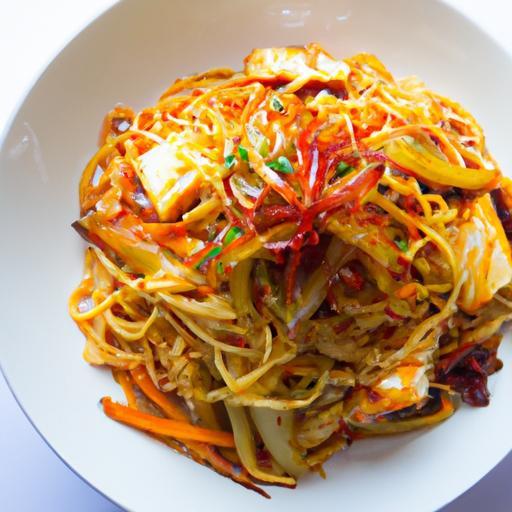
As the vibrant,fiery red of gochujang noodles swirls on your palate,it’s clear that this Korean condiment is more than just a spicy addition-it’s a flavorful journey packed into every bite.Whether you’re a spice seeker or a curious food lover, embracing the magic of gochujang transforms an ordinary bowl of noodles into a celebration of bold, balanced heat and umami richness. So next time you crave a dish that awakens your senses and tells a story with every forkful, remember: a little gochujang goes a long way in turning simple noodles into an unforgettable experience. Dive in, spice up your bowl, and let the adventure begin.