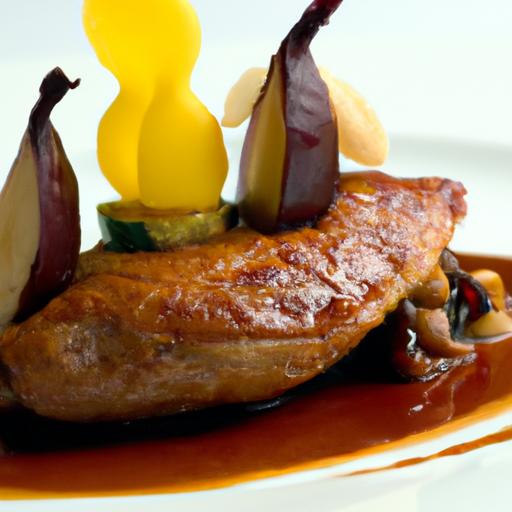

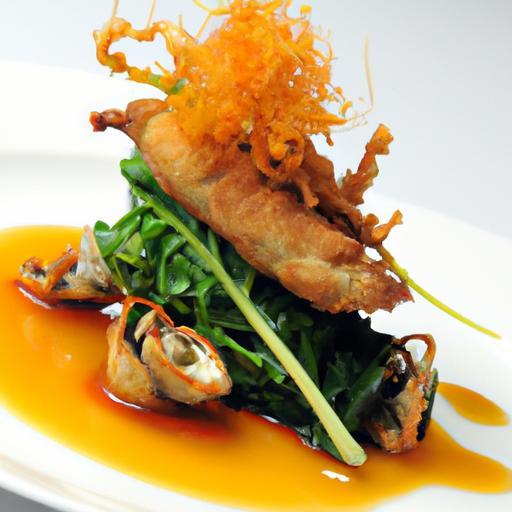
In the vast ocean of culinary traditions, few dishes capture the imagination quite like the exquisite dance of flavors in Swimming Crispy Duck. This unique delicacy,where the golden,crackling skin of perfectly roasted duck meets an unexpected aquatic twist,invites food enthusiasts on a sensory journey unlike any other. “The Art of Swimming Crispy Duck: A Unique Culinary Dive” unfolds the story behind this innovative masterpiece, exploring its origins, techniques, and the subtle harmony that transforms each bite into an immersive experience. join us as we dive deep into the craft and creativity that make Swimming Crispy Duck a splashworthy star in the world of gastronomy.
The Art of Swimming Crispy Duck: A Unique Culinary Dive
the Art of Swimming Crispy Duck: A Unique Culinary Dive invites food lovers into an exquisite blend of tradition and technique that elevates the beloved duck too a sensational new experience. This dish, famously crafted with a delectably crackling skin and a tender, succulent interior, draws inspiration from rich culinary roots that span centuries and regions. As you embark on this cooking journey, you’ll discover not only how to master the perfect crispy skin but also how to balance complex flavors and present the dish with imaginative flair.
Prep and Cook Time
- Preparation: 30 minutes
- Marinating Time: 3 hours (or overnight for best results)
- Cooking Time: 45 minutes
- Total Time: Approximately 4 hours 15 minutes
Yield
Serves 4 adventurous diners eager to indulge in an exceptional duck experience.
Difficulty Level
advanced - though approachable with attention to detail and patience, perfect for seasoned home chefs pursuing culinary excellence.
Ingredients
- 1 whole duck (about 4-5 pounds), cleaned and patted dry
- 3 tablespoons maltose or honey, for glazing
- 2 teaspoons five-spice powder
- 1 tablespoon sea salt
- 1 teaspoon white pepper
- 4 cloves garlic, smashed
- 2-inch piece fresh ginger, thinly sliced
- 1 tablespoon soy sauce
- 2 cups boiling water, for skin tightening
- Sesame oil, for brushing
- Fresh spring onions and cucumber, julienned, for serving
- Steamed jasmine rice or fragrant sticky rice, optional, for plating
- Citrus soy dipping sauce:
- 3 tablespoons soy sauce
- 1 tablespoon freshly squeezed lime juice
- 1 teaspoon grated ginger
- 1 teaspoon raw honey
- 1 small chili, finely sliced (optional)
Instructions
- Prepare the Duck: Begin by patting the duck thoroughly dry inside and out. Score the skin lightly with a sharp knife, taking care not to cut the meat. This scoring encourages the skin to crisp beautifully.
- Blanch the Skin: Pour the 2 cups of boiling water carefully over the duck’s skin, tightening the skin to encourage a crackling texture when cooked. Instantly pat dry with paper towels.
- Marinate: Mix maltose or honey with soy sauce, five-spice powder, sea salt, and white pepper. Massage this glaze evenly over and inside the duck. Insert smashed garlic and sliced ginger into the cavity.
- Air-Dry: For optimal crispy skin, place the duck on a rack, uncovered, in the refrigerator for 3 hours or ideally overnight. This step is crucial-it dries out the skin to ensure perfect crispness.
- preheat the Oven: Set your oven to 375°F (190°C) and position a rack on your roasting pan to catch the drippings.
- Roasting: Place the duck breast side up on the rack. Roast for about 40-45 minutes,brushing every 15 minutes with the maltose glaze to build a shiny,caramelized crust. If skin browns too fast, tent lightly with foil.
- Final Crisp: For the last 5 minutes, crank the heat to 425°F (220°C) or use a broiler to supercharge the skin’s crispiness-watch closely to avoid burning.
- Resting: Remove the duck from the oven and let it rest for 10 minutes before carving.This allows juices to redistribute,preserving tenderness inside the crispy shell.
- Plate Creatively: Slice duck thinly against the grain, arrange alongside julienned spring onions, cucumber, and a small bowl of the citrus soy dipping sauce to balance richness.
tips for Success
- Air Drying Technique: Don’t skip this step. The secret to superior crispy skin lies in drying it out properly before cooking.
- Glaze Alternatives: Try substituting maltose with honey or even maple syrup for subtle sweetness differences.
- Flavor Balance: If five-spice is too strong for you, reduce it slightly or blend it with a pinch of Chinese cinnamon for warmer notes.
- Make-Ahead: The duck can be marinated and dried a day ahead. Simply cover and refrigerate to save time on serve day.
- Visual Appeal: Garnish with edible flowers or microgreens for a modern touch that elevates the plate visually and texturally.
Serving Suggestions
Present your artful creation by pairing thin slices of Swimming Crispy Duck with steaming jasmine rice or fragrant sticky rice to soak up the luscious drippings. The citrus soy dipping sauce cuts through richness with bright acidity and mild heat, making each bite dancingly memorable. Serve alongside freshly julienned spring onions and crisp cucumber ribbons for crunch.For a surprising twist, accompany with pickled daikon or a light Asian slaw tossed in a sesame-lime dressing. Plates look stunning when layered-arrange the sliced duck over banana leaves or rustic wooden boards for a natural,immersive dining experience.
| Nutrient | Per Serving |
|---|---|
| Calories | 450 kcal |
| Protein | 35 g |
| Carbohydrates | 12 g |
| Fat | 30 g |
Discover more about traditional Asian cooking methods in our detailed guide on Ultimate Guide to Asiatic Roasting Techniques. For deeper insights into the origin of duck dishes globally,the Encyclopedia Britannica’s entry on Duck as food provides enlightening ancient context.

Q&A
Q&A: the Art of Swimming Crispy Duck: A Unique Culinary Dive
Q1: What exactly is “Swimming Crispy duck,” and why is it considered unique?
A1: “Swimming Crispy Duck” is a culinary masterpiece that combines the rich flavors of crispy-skinned duck with the immersive experience of serving it in a fragrant, flavorful broth or sauce. The “swimming” aspect refers to the duck being presented as if it’s gracefully gliding in a pool of seasoned liquid, adding visual drama and a mouthwatering dimension to every bite. This technique elevates traditional roast duck by marrying texture and taste in an unexpected, delightful way.
Q2: How does the preparation of Swimming Crispy Duck differ from classic crispy duck dishes?
A2: While classic crispy duck is celebrated for its perfectly crackling skin and tender meat, Swimming Crispy Duck adds an extra layer by introducing a broth or sauce that complements without diluting the duck’s crispiness. The duck is meticulously roasted to achieve that signature crunch, then carefully “plunged” into or accompanied by a flavorful liquid that enhances its savory notes. Balancing crispness with juiciness requires precision and a deep understanding of timing and temperature.
Q3: What kinds of sauces or broths best complement swimming crispy duck?
A3: The ideal sauces or broths for Swimming Crispy Duck feature aromatic spices, subtle acidity, and a hint of sweetness to contrast the rich duck.Citrus-infused soy broths, star anise and ginger reductions, or tangy fruit-based sauces like plum or orange are excellent companions. They not only accentuate the duck’s flavors but also provide a refreshing ‘swimming pool’ that invites diners to savor each bite in harmony.
Q4: can this dish be paired with other culinary elements to create a harmonious meal?
A4: Absolutely! The crisp and savory qualities of Swimming Crispy Duck harmonize beautifully with fresh, crunchy vegetables such as julienned cucumbers, spring onions, or pickled radishes. light steamed jasmine rice or delicate noodle beds can serve as a canvas that absorbs the flavorful broth. herbs like cilantro or Thai basil add fragrant brightness, making the dish a well-rounded sensory adventure.
Q5: What inspired the concept of serving duck in a “swimming” style?
A5: The concept draws inspiration from the theatricality found in fine dining and the desire to present traditional ingredients in creative new ways. The notion of a crispy duck “swimming” evokes an almost poetic imagery, capturing movement and fluidity on the plate. It also highlights the juxtaposition of textures – the firm crunch of the skin with the liquid’s soothing warmth – inviting diners into a multisensory culinary dive.
Q6: Are there particular techniques to ensure the duck skin stays crispy despite being served in liquid?
A6: Yes, achieving lasting crispness amidst liquid demands skill.Typically, the duck’s skin is air-dried and roasted to perfection before serving. Just prior to plating, the liquid element is poured gently around or beneath the duck, avoiding direct soaking of the skin. Some chefs employ semi-thick sauces that cling without fully saturating the skin, or serve the duck partially submerged to maintain that coveted crunch. Timing and plating finesse are essential for this balance.Q7: How can home cooks experiment with Swimming Crispy Duck without access to professional equipment?
A7: Home cooks can mimic the effect by roasting duck breasts or legs with care to render the fat and crisp the skin, then preparing a bold yet balanced sauce or broth on the stove. Serving the duck atop a shallow pool of sauce on warmed plates helps maintain crispness and temperature. Using a splatter-free oven roasting technique and letting the duck rest briefly before plating improves texture. Experimenting with fresh herbs and citrus zest in the broth can create a flavorful ‘swimming’ experience in a home setting.
Q8: What cultural or culinary traditions influence the Swimming Crispy Duck dish?
A8: this dish resonates with Asian culinary traditions where crispy duck is celebrated-particularly in chinese and Southeast Asian cuisines-but it also borrows from haute cuisine’s emphasis on presentation and layering of textures. The focus on aromatic broths echoes the importance of balance in these food cultures: sweet, salty, sour, and umami coexist. The inventive serving style reflects modern gastronomy’s love for storytelling and engaging all senses.
Q9: Can Swimming Crispy Duck be adapted for diners with dietary restrictions or preferences?
A9: Certainly! While duck remains the star, chefs can adjust the accompanying liquids and sides to cater to diverse diets – as an example, using gluten-free soy sauces, vegetable-based broths, or substituting sugar with natural sweeteners. The essence of the dish-balancing crispness with flavorful liquid-can inspire inventive twists that honor dietary needs without losing the dish’s soul.
Q10: What is the best way to enjoy Swimming Crispy Duck to fully appreciate its unique qualities?
A10: To truly savor Swimming Crispy Duck, start by appreciating the contrast in textures – the crackle of the skin followed by the tender, juicy meat. Combine bites with a bit of the broth or sauce to experience the layered flavors. Pairing a forkful of duck with crisp vegetable garnishes or aromatic herbs heightens freshness, while taking your time to notice the warmth and spices enveloping your palate completes the immersive culinary ‘dive.’
Wrapping Up
As we surface from this deep dive into the art of swimming crispy duck, it becomes clear that this culinary creation is more than just a dish-it’s a sensory journey that marries texture, flavor, and tradition in a dance of taste.The crispy exterior, combined with the succulent embrace of rich sauces and carefully curated ingredients, invites both novice and seasoned food explorers to savor each bite thoughtfully. Whether enjoyed in a bustling kitchen or at an intimate table, swimming crispy duck stands as a testament to the innovative spirit that continues to elevate classic recipes into extraordinary experiences. so next time you seek a unique culinary dive, let this crispy marvel guide your palate into uncharted flavorful waters.