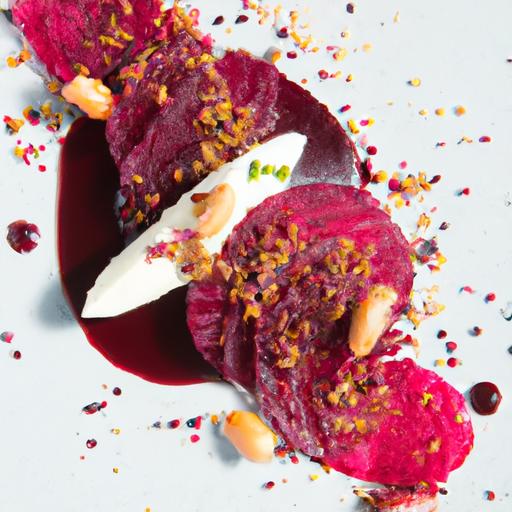

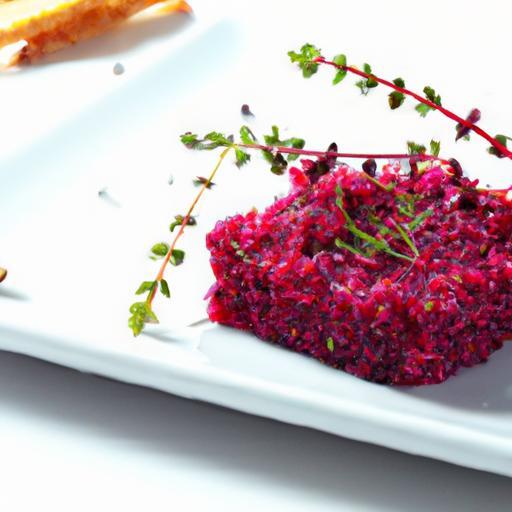
In the world of culinary artistry, where tradition meets innovation, Beet Tartare Elegance emerges as a vibrant symphony for the senses. This reinterpretation of the classic tartare swaps the conventional raw beef for earth’s jewel-toned beetroot, marrying its natural sweetness with the briny punch of capers and the tangy sophistication of Dijon mustard. The result is a dish that not only celebrates bold flavour fusion but also elevates plant-based dining to an exquisite new level. Join us as we delve into the layers of taste and technique behind this colorful creation, revealing why Beet Tartare Elegance is fast becoming a must-try masterpiece on contemporary menus.
Beet Tartare Elegance: Capers & Dijon Flavor Fusion
Beet Tartare Elegance: Capers & Dijon Flavor Fusion invites you on a vibrant culinary journey where earthy,tender beets meet the zesty punch of Dijon mustard and the tangy bite of capers. This plant-based reinterpretation of a classic tartare not only dazzles the palate but also nourishes the body-perfect for those seeking an elegant dish that embodies both bold flavor and wholesome nutrition. As a long-time food stylist, I can attest that the vivid hues and contrasting textures transform this dish into a stunning centerplate that boasts more than just beauty; its nutritional profile makes it a guilt-free indulgence.
Prep and Cook Time
- Preparation: 20 minutes
- Cook Time (roasting beets): 45 minutes
- Total Time: 65 minutes
Yield
Serves 4 elegantly as a starter or light main course.
Difficulty Level
Medium - Requires some knife skills and attention to detail for an artful presentation.
Ingredients
- 4 medium-sized fresh beets, trimmed and scrubbed
- 2 tablespoons extra virgin olive oil
- 1 small shallot, finely minced
- 2 tablespoons capers, rinsed and chopped
- 1 tablespoon Dijon mustard
- 1 tablespoon fresh lemon juice
- 2 tablespoons fresh parsley, finely chopped
- 1 tablespoon fresh chives, thinly sliced
- Salt and freshly ground black pepper, to taste
- Optional: 1 teaspoon agave syrup for subtle sweetness
- Artisan crackers or toasted sourdough slices, for serving
Instructions
- Roast the beets: Preheat the oven to 400°F (200°C). Wrap each beet in foil and place on a baking sheet. Roast until tender when pierced with a fork, about 40-45 minutes. Allow to cool fully, then peel and finely dice the beets into small cubes. Uniformity ensures that every bite bursts with vibrant color and texture.
- Prepare the flavor base: In a medium bowl, whisk together the Dijon mustard, lemon juice, and olive oil until smooth.Add the minced shallot and chopped capers, stirring to marry these bold flavors into a cohesive dressing.
- Combine and season: Gently fold the diced beets into the mixture. Add the fresh parsley and chives. Season with salt and freshly ground black pepper to taste. If you desire a soft balance to the acidity, gently blend in the optional agave syrup.
- Mold and chill: For an elevated presentation,use a ring mold or small bowl to pack the beet tartare mixture tightly and invert onto chilled plates. Alternatively, serve in pretty glass jars or small ramekins for a modern twist.
- Garnish with finesse: Garnish with extra chives, a few whole capers, and a tiny drizzle of olive oil. Provide artisan crackers or toasted sourdough slices on the side to enjoy the contrasting crunch with every bite.
Tips for Success
- Choosing yoru beets: Opt for medium-sized beets for roasting; they cook evenly and usually have a better texture for dicing.
- Flavor balance: Capers add a salty tang that pairs exquisitely with Dijon mustard’s sharpness-taste as you go to ensure neither overpowers the delicate earthiness of the beets.
- Advance prep: Roast and dice the beets up to 2 days in advance. Store tightly covered in the fridge and mix fresh ingredients before serving to preserve brightness.
- Variations: For a smoky depth, add a teaspoon of smoked paprika or finely diced roasted red peppers. A handful of toasted walnuts or pumpkin seeds can also add delightful texture contrast.
Serving Suggestions
Present this Beet Tartare Elegance centerpiece on a crisp white plate to make the radiant red hues pop. Pair with a petite microgreen salad dressed lightly in lemon vinaigrette or garnish plates with edible flowers to amplify its visual appeal. champagne or sparkling water with lemon is a refreshing beverage accompaniment that complements the acidity without overpowering the flavors.
For a complex yet approachable dining experiance, arrange small portions as part of a multi-course tasting menu, or serve as a vibrant starter to impress guests at your next gathering.

| nutrient | Per Serving |
|---|---|
| Calories | 150 kcal |
| Protein | 3 g |
| Carbohydrates | 20 g |
| Fat | 7 g |
| fiber | 4 g |
Beets, known for their antioxidant properties and high fiber content, combined with capers’ unique flavor and Dijon mustard’s tang, make this dish not only memorable but a powerhouse of nutrition. For those interested in exploring more elegant plant-based recipes, check out our Plant-Based Gourmet Recipes collection. To deepen your understanding of the nutritional benefits of beets, visit Healthline’s in-depth guide on beets.
Q&A
Q&A: Beet Tartare Elegance – Capers & Dijon Flavor Fusion
Q1: What makes beet tartare such an elegant dish?
A1: Beet tartare’s elegance lies in its vibrant color and refined texture that mimic the classic tartare experience without meat. The deep ruby hues of roasted or raw beets create an eye-catching presentation, while the careful dicing and seasoning elevate the humble root into a sophisticated appetizer or light entrée. It’s a celebration of natural earthiness balanced with shining, piquant flavors.
Q2: How do capers contribute to the overall flavor profile?
A2: Capers bring a briny, tangy punch that contrasts beautifully with the sweetness of the beets. Their salty, lemony undertones add depth and complexity, enhancing every bite with bursts of umami. They act like little flavor surprises, lifting the dish from simple to sublime with their zing and subtle crunch.
Q3: Why is Dijon mustard the perfect partner for this beet tartare?
A3: Dijon mustard provides a sharp, creamy heat that cuts through the natural sweetness of the beets. Its mustard seeds and vinegar infuse the tartare with a gentle piquancy and a silky mouthfeel, binding ingredients together while adding a sophisticated layer of flavor that’s both classic and complementary.Q4: Are there any particular techniques to prepare beets for tartare?
A4: Yes! For the best texture and flavor, beets can be either roasted until tender or boiled, then chilled and peeled. After that, finely dice them into uniform small cubes to mimic the traditional tartare style.This careful preparation ensures a pleasant bite and allows the seasoning to penetrate evenly throughout the beet mosaic.
Q5: Besides capers and Dijon, what other ingredients can enhance beet tartare?
A5: Fresh herbs like parsley, chives, or tarragon add vegetal brightness.A squeeze of citrus, such as lemon or blood orange, can bring refreshing acidity. minced shallots or red onions introduce a gentle sharpness. And a drizzle of high-quality olive oil adds smooth richness,rounding out the dish elegantly.
Q6: How can beet tartare be served to highlight its elegance?
A6: Presentation is key! Serve it on a chilled plate,perhaps molded with a ring for a clean shape. Garnish with microgreens or edible flowers for a delicate touch. Pair it with crisp crostini, rye crackers, or thinly sliced cucumber rounds for contrasting textures and a refined palate experience.
Q7: Is beet tartare suitable for special diets?
A7: absolutely! Beet tartare is naturally vegan and gluten-free when paired with appropriate crackers or accompaniments. It’s a nutrient-rich, plant-based option that fits beautifully into vegetarian, vegan, and clean eating lifestyles, making it as versatile as it is indeed elegant.
Q8: Can beet tartare be prepared ahead of time?
A8: Yes, and it ofen tastes even better after resting. Prepare the diced beets and mix with seasoning and dressing a few hours before serving. The flavors meld and intensify, creating a harmonious fusion of capers and Dijon. Just add finishing touches like fresh herbs or crispy garnishes before plating.
This Q&A reveals the creative charm and sophisticated flavor interplay in “Beet Tartare Elegance: Capers & Dijon Flavor Fusion,” empowering you to craft a dazzling, veggie-forward dish that sparkles on any table.
Final Thoughts
In the delicate dance of flavors that define Beet Tartare Elegance, the vivid earthiness of beets meets the briny pop of capers and the sharp, creamy warmth of Dijon mustard-creating a symphony that delights the palate and elevates a classic dish to new heights. This fusion not only honors tradition but reimagines it with vibrant, plant-based sophistication. Whether served as a stunning appetizer or a centerpiece for a light meal, this tartare invites you to savor complexity in simplicity, proving that elegance can be found in every thoughtful bite. So next time you crave a dish that’s as visually arresting as it is flavorful, remember: sometimes, the freshest creativity grows right beneath the soil.