
In the sun-kissed coastal towns of Provence, where the Mediterranean breeze carries the scent of salt and herbs, a culinary treasure simmers gently in rustic pots: bouillabaisse. More than just a fish stew, bouillabaisse is a vibrant tapestry of history, culture, and flavor-a timeless celebration of the sea’s bounty and the Provençal spirit. This iconic French dish invites both the curious and the connoisseur to dive into a world where simple ingredients transform into an artful masterpiece, each spoonful bursting with layers of taste that tell a story as rich as the Mediterranean itself. Join us on a journey to uncover the secrets behind bouillabaisse bliss, and discover how this beloved fish stew continues to enchant palates across the globe.
Bouillabaisse Bliss: Discover the Art of French Fish Stew
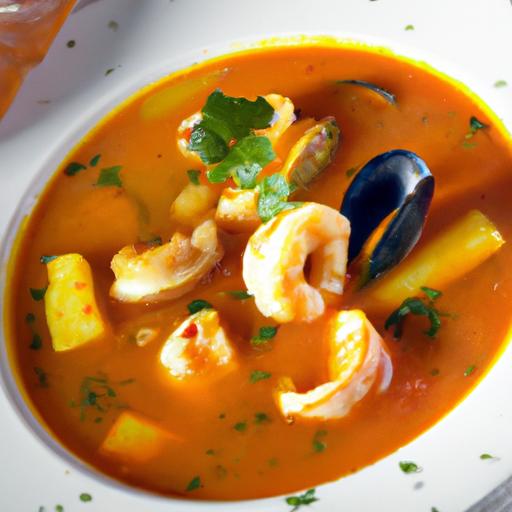
Bouillabaisse bliss begins with the vibrant depths of Mediterranean flavors, weaving together the freshest catch of the sea with aromatic herbs and spices to create an unforgettable french fish stew experience. This dish, deeply rooted in the coastal city of Marseille, captures centuries of culinary tradition while offering a canvas for modern creativity.
Origins and Evolution of Bouillabaisse in Mediterranean Cuisine
Originating as a humble fisherman’s stew, bouillabaisse was crafted from the bony rockfish that couldn’t be sold at market. Over time, it evolved into an iconic symbol of Provençal cuisine, showcasing an extraordinary blend of fresh fish, shellfish, and fragrant herbs native to the mediterranean coast. The stew’s name itself hints at the method of cooking-“bouillir” meaning to boil and “baisser” meaning to reduce heat-reflecting its unique planning style.
Bouillabaisse was and remains a celebration of community and seasonality, with each family and region adding their own signature touch. The dish’s customary ingredients echo the sensory landscape of Méditerranée shores, combining saffron’s golden hue, the briny essence of the sea, and the earthiness of fennel and orange zest.
Selecting the Freshest Fish and Aromatics for Authentic Flavor
Choosing the freshest fish is crucial for capturing the authentic Bouillabaisse bliss. Opt for a mix of firm white fish such as monkfish, red mullet, and sea bass, complimented by shellfish like mussels or clams if desired. The best Mediterranean grocery stores or local fishmongers will offer daily catches-look for luminous eyes, shiny skin, and a fresh ocean scent.
Balancing the broth’s aromatic profile demands fennel bulb, leeks, tomatoes, garlic, and fresh herbs such as thyme and bay leaves. Don’t overlook the subtle punch of orange peel and the precious saffron strands, which impart warmth and exquisite colour.
Prep and Cook Time
- Preparation: 30 minutes
- cooking: 1 hour 15 minutes
- Total time: 1 hour 45 minutes
Yield
This recipe comfortably serves 6 generous portions,perfect for sharing with friends and family.
Difficulty Level
Medium – Requires some knife skills and patience to build the broth’s rich complexity.
ingredients
- 2 lbs mixed firm white fish fillets (monkfish, red mullet, sea bass), cut into chunks
- 1 lb mussels or clams, cleaned
- 2 tbsp olive oil
- 1 large onion, finely chopped
- 2 leeks, whites only, sliced thin
- 1 fennel bulb, thinly sliced (reserve fronds for garnish)
- 4 garlic cloves, minced
- 3 medium ripe tomatoes, peeled and chopped
- 1 tbsp tomato paste
- 1 orange peel strip (fresh, not dried)
- 1 pinch saffron threads
- 1 tsp smoked paprika
- 2 bay leaves
- 1 tsp dried thyme
- 6 cups fish stock or homemade fish broth
- Salt and freshly ground black pepper, to taste
- Crusty baguette slices, for serving
- Rouille sauce (optional, for authentic accompaniment)
step-by-Step Guide to Crafting the Perfect Bouillabaisse Broth
- Warm the olive oil in a large heavy-bottomed pot over medium heat. add the onion, leeks, and fennel and sauté until soft and translucent, about 8 minutes, stirring occasionally to prevent browning.
- Add the garlic, tomato paste, and tomatoes, and cook for another 5 minutes until the mixture thickens slightly and becomes fragrant.
- Pour in the fish stock and bring to a gentle simmer. Stir in the saffron threads, orange peel, smoked paprika, bay leaves, and thyme. Allow the broth to simmer uncovered for 30 minutes, letting all the flavors meld beautifully.
- Season generously with salt and pepper. Remove the orange peel and bay leaves before adding the fish.
- Carefully add the fish chunks to the simmering broth, cooking gently for about 8 to 10 minutes until just cooked through. It’s important not to overcook the fish to maintain its delicate texture.
- Add the mussels or clams, cover the pot, and cook until shells open, about 5 more minutes.Discard any that do not open.
- Check the seasoning and adjust. For a richer flavor, briefly ladle some broth back and forth with the fish, letting them soak in the essence of the stew.
serving Suggestions and Pairing Bouillabaisse with Classic French Sides
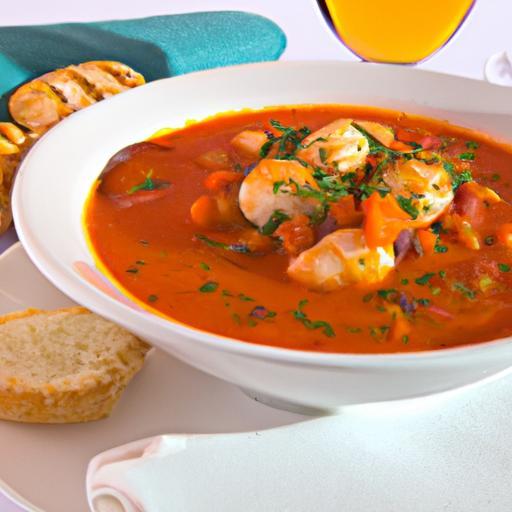
Serve Bouillabaisse bliss piping hot, ladled generously into deep bowls. Arrange the fish and shellfish artfully atop the broth, garnished with fresh fennel fronds and parsley. Accompany it with thick slices of toasted baguette spread with rouille, a garlicky, saffron-tinged sauce that beautifully complements the stew’s flavors.
This stew pairs excellently with a simple green salad tossed in a light lemon vinaigrette or ratatouille for a hearty vegetable accompaniment. For drinks, a sparkling mineral water with a twist of lemon or a crisp mediterranean white (e.g., Picpoul de Pinet) serves as a delightful contrast, enhancing without overpowering.
Chef’s Notes and Tips for Success
- freshness is key: Whenever possible, buy fish early in the day and keep it on ice until cooking.
- Fish stock variations: Homemade stock from fish bones and aromatics yields the richest broth, but a high-quality store-bought option works well in a pinch.
- Saffron care: Steep saffron threads in a small amount of warm stock before adding to ensure full flavor and color release.
- Make-ahead option: Prepare the broth a day in advance to deepen flavors; simply add the fish and shellfish the day you plan to serve.
- Shellfish alternatives: Omit or substitute with shrimp for a diffrent texture and added sweetness.
| Nutrition (per serving) | Calories | Protein | Carbs | Fat |
|---|---|---|---|---|
| Bouillabaisse Bliss | 320 kcal | 35 g | 10 g | 9 g |

For more inspiration and seafood recipes, check out our Mediterranean Seafood Feast Collection. To dive deeper into Provençal culinary heritage, visit the french Culinary Institute.
Q&A
Q&A: Bouillabaisse bliss – Discover the Art of French Fish Stew
Q1: What is Bouillabaisse and where does it originate?
A1: Bouillabaisse is a traditional French fish stew hailing from the port city of Marseille, nestled along the sun-kissed mediterranean coast. It’s a vibrant culinary masterpiece that captures the essence of the sea, blending a melody of fresh fish, aromatic herbs, and perfectly balanced spices.
Q2: What makes Bouillabaisse different from other fish stews?
A2: Unlike many fish soups,Bouillabaisse is a layered celebration of texture and flavor. It features a variety of Mediterranean fish-typically firm-fleshed and flaky-cooked gently with fennel, saffron, and tomatoes. The broth is infused with fresh herbs and seafood aromas, served with crusty bread and a garlicky rouille sauce that ignites the senses.
Q3: Which types of fish and seafood are traditionally used in Bouillabaisse?
A3: Classic Bouillabaisse showcases an ensemble of local fish such as rascasse (scorpionfish), monkfish, sea robin, and conger eel, each bringing its own texture and taste. Shellfish like mussels or crab may also join the chorus, even though the focus remains on the robust taste of the Mediterranean’s wild-caught bounty.Q4: What are the key ingredients that define the flavor of Bouillabaisse?
A4: The soul of Bouillabaisse lies in its fragrant saffron threads, fresh fennel, ripe tomatoes, and a bright medley of garlic and onions. Orange zest and fresh herbs like thyme and bay leaf elevate the broth, culminating in a warm, earthy, and slightly sweet profile that hints at the sea breeze.
Q5: How is Bouillabaisse traditionally served?
A5: Traditionally, Bouillabaisse is enjoyed in two stages. The aromatic broth is ladled over toasted slices of bread spread with rouille-a zesty mayonnaise-like sauce made from garlic, chilies, olive oil, and sometimes saffron. Afterwards, the hearty fish and seafood are served separately, allowing diners to savor each element fully.
Q6: Can Bouillabaisse be made at home for an authentic experience?
A6: Absolutely! while authentic Bouillabaisse can seem daunting, with some patience and attention to quality ingredients, home cooks can recreate its magic. The secret lies in sourcing fresh Mediterranean fish or suitable local alternatives, balancing the broth’s seasoning carefully, and embracing the soulful slow cook that enough time demands.
Q7: What cultural significance does Bouillabaisse hold in French cuisine?
A7: More than a dish, Bouillabaisse embodies the spirit of Marseille’s coastal heritage-a meal born from fishermen’s practicality and refined over time into a beloved symbol of French gastronomy. It celebrates community, history, and the natural bounty of the Mediterranean Sea, making each bowl a story of tradition and taste.
Q8: Are there vegetarian or fish-free variations inspired by Bouillabaisse?
A8: While Bouillabaisse’s heart is fish, inventive cooks sometimes create vegetable-forward versions using hearty Mediterranean produce like fennel, tomatoes, potatoes, and saffron to echo the stew’s signature flavors. These renditions offer a homage to the original’s spirit while showcasing the versatility of its aromatic profile.
Q9: What tips can help someone perfect their Bouillabaisse?
A9: Patience is key-cook the broth slowly to coax out deep flavors without overcooking the delicately textured fish. Use a combination of fish that balances firm and tender textures, and don’t rush the steeping of saffron and herbs.Lastly, serve the dish with warm, crusty bread and a vibrant rouille to complete the sensory experience.
Whether you’re a seasoned chef or a curious food lover, Bouillabaisse invites you to dive into a sea of flavors, bringing a slice of French coastal bliss to your table. Bon appétit!
Future Outlook
as the fragrant steam of bouillabaisse rises from the bowl,it carries with it centuries of coastal tradition and a symphony of flavors that dance on the palate. This quintessential French fish stew is more than a meal-it’s an artful celebration of the sea’s bounty, patiently simmered into a nourishing tapestry of taste. Whether crafted in a bustling Marseille kitchen or your own home hearth, mastering bouillabaisse invites you to savor not just a dish, but a vibrant slice of French culinary heritage. So gather your freshest catch, embrace the rhythm of simmering spices, and dive into the blissful depths of this timeless classic-where every spoonful tells a story of flavor, history, and heart.