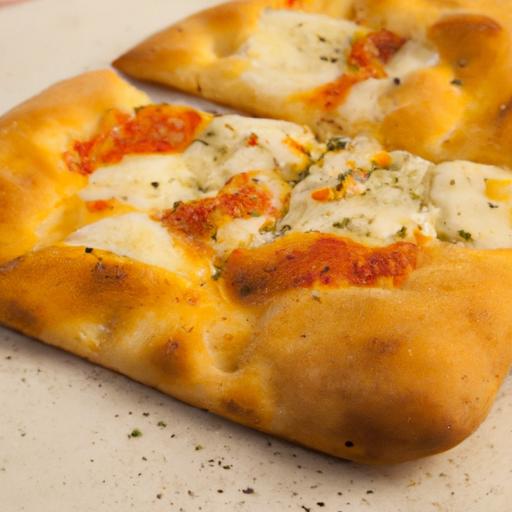

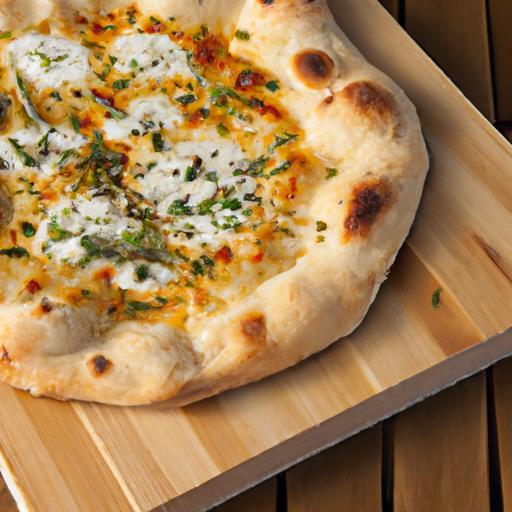
There’s something undeniably magical about focaccia-a rustic italian bread that strikes the perfect balance between fluffy softness and a golden, crispy crust. Now, imagine transforming that beloved texture into a pizza base that’s as satisfying as it is versatile. Mastering focaccia pizza dough is an art that blends the age-old charm of traditional baking with modern culinary creativity.in this article, we’ll unravel the secrets behind achieving that ideal chew and crunch, guiding you step-by-step toward crafting focaccia pizza dough that’s nothing short of perfect. Weather you’re a seasoned baker or a curious home cook, prepare to elevate your pizza game with dough that’s fluffy, crispy, and utterly irresistible.
Mastering focaccia pizza dough is both a science and an art that unlocks the secret to that irresistible combination of a fluffy interior and a crisply golden crust. The magic begins with selecting the right flour and hydration ratio,which directly influence the dough’s texture and structure. Achieving perfection also depends on how the dough is treated during stretching and proofing. fine-tuning your baking techniques ensures that each focaccia emerges from the oven with a bronzed crust and an airy crumb that melts in your mouth.
Prep and Cook Time
- Preparation: 25 minutes
- First Proof: 1 hour 30 minutes
- Second Proof: 45 minutes
- Baking: 20-25 minutes
- Total Time: Approximately 3 hours 10 minutes
Yield
Serves 6-8 slices, perfect for sharing or as a side to your favourite meal.
Difficulty Level
Medium – Ideal for home bakers ready to elevate their dough skills with precise hydration and proofing techniques.
Ingredients
- 3 ½ cups bread flour,sifted (high protein to build strong gluten)
- 1 ½ cups lukewarm water (about 75% hydration for a soft but manageable dough)
- 2 tsp salt (fine sea salt for better dispersion)
- 2 tsp active dry yeast
- 3 tbsp extra virgin olive oil (plus extra for drizzling)
- Fresh rosemary and coarse sea salt flakes (for topping)
Instructions
- activate the yeast: In a small bowl,combine warm water and yeast. Let it sit for 5-10 minutes untill frothy, signaling the yeast is alive and ready.
- Mix the dough: In a large mixing bowl, whisk together the bread flour and salt.Gradually add the activated yeast mixture and 2 tablespoons of olive oil. Stir with a wooden spoon until a shaggy dough forms.
- knead for strength: Turn the dough onto a floured surface and knead for 8-10 minutes. The dough should become smooth and elastic, indicating strong gluten development essential for fluffiness.
- First proof: Lightly oil a clean bowl, place the dough inside, and cover with a damp cloth or plastic wrap. Let it rise in a warm spot for 1 hour 30 minutes or until doubled in size.
- Prepare the pan: Generously oil a rectangular baking pan (about 11×17 inches). Transfer the risen dough gently, avoiding deflation. Press the dough into the pan using your fingertips, creating characteristic dimples.
- Second proof: Cover again and let the dough rest for 45 minutes. This step relaxes the gluten, making the dough airy yet structured-key for a crispy base and fluffy crumb.
- Preheat and season: Preheat your oven to 450°F (230°C). Drizzle the top with remaining olive oil, sprinkle fresh rosemary and flakes of coarse sea salt evenly over the top surface.
- Bake to golden perfection: Slide the pan onto the middle rack and bake for 20-25 minutes. Watch closely: the crust should be a deep golden bronze with edges turning crisp and caramelized.
- Cool and serve: Let the focaccia cool on a wire rack for at least 10 minutes to set the crust before slicing. This rest keeps the interior tender yet crumbly.
Tips for Success
- Flour selection: Using high-protein bread flour optimizes gluten structure for that classic open crumb.All-purpose flour can work but produces a denser texture.
- Hydration finesse: Maintaining a 70-75% hydration ratio ensures a sponge-like crumb and crisp crust. Too little water creates a stiff dough; too much makes shaping tricky.
- Dimpling technique: Press your fingers deeply but gently into the dough just before baking. These pockets trap olive oil and toppings, creating flavor pockets and enhancing moisture.
- Proofing patience: Don’t rush either proof stage. Adequate rising time allows yeast to work thoroughly,creating bubbles that give life to the dough’s soft texture.
- Baking positioning: Place your focaccia mid-oven for even heat circulation; avoid the top rack, which can burn the crust before the inside cooks through.
- Make ahead: Focaccia dough can be refrigerated overnight after the first proof. Let it come to room temperature before the second proof and baking for convenience and enhanced flavor.
Serving Suggestions
This focaccia shines as a stand-alone snack drizzled with extra virgin olive oil or paired alongside a bowl of hearty Italian minestrone. Garnish slices with a sprinkle of flaky sea salt and fresh herbs like thyme or oregano for an added aromatic lift. For a Mediterranean twist, serve alongside olives, hummus, or charcuterie. Toasted slices also pair beautifully with a smear of whipped ricotta and a dab of fig jam for a sweet-savory balance.

| Nutrient | Per Serving |
|---|---|
| Calories | 220 kcal |
| Protein | 6 g |
| Carbohydrates | 34 g |
| Fat | 7 g |
for additional insights into yeast fermentation and dough chemistry, visit the King Arthur Baking science guide.
Looking to complement your focaccia expertise, don’t miss our article on homemade pizza sauce recipes-perfect for elevating every slice.
Q&A
Q&A: Mastering Focaccia Pizza Dough – Fluffy, Crispy, Perfect
Q1: What makes focaccia pizza dough different from regular pizza dough?
A1: Focaccia dough is all about that irresistible balance between fluffiness and crispiness.Unlike typical pizza dough which is often thin and chewy, focaccia dough is wetter and more hydrated.This higher water content creates large air pockets inside, resulting in a light, pillowy crumb. Plus, it often incorporates olive oil not just in the dough but brushed on top, contributing to a golden, crispy crust.
Q2: How importent is hydration when making focaccia dough?
A2: Hydration is the secret sauce! A wetter dough-meaning a higher ratio of water to flour-is essential. Aim for around 70-80% hydration to achieve that tender, airy texture. While it might feel sticky and a bit daunting at first, embracing the wet dough and learning to handle it properly leads to gloriously fluffy results.
Q3: Can I use instant yeast,or do I need to proof it for focaccia?
A3: Both work fine,but proofing active dry yeast can add a little magic to your focaccia. Proofing ensures the yeast is active and lively, giving you better rise and flavor. Instant yeast skips this step, saving time, but may yield slightly less nuanced fermentation.Whichever you choose,patience during rising spells deliciousness.
Q4: What’s the trick to achieving that signature crispy bottom crust?
A4: The key lies in olive oil and your baking surface. Generously oil your pan to prevent sticking and to ensure the crust fries slightly during baking. If you have a baking stone or steel, preheat it to give the dough a fast burst of heat from below. This contrast-crispy base and fluffy interior-is focaccia perfection.
Q5: How long should I let my dough rise?
A5: Patience is a focaccia’s best friend.A long, slow rise-at least 1.5 to 2 hours at room temperature or overnight in the fridge-allows the yeast to develop flavor and those classic airy pockets. Don’t rush it; the waiting makes every bite better.
Q6: Should I dimple the dough before baking? Why?
A6: absolutely! Those signature dimples aren’t just decorative-they trap olive oil and toppings, creating pockets of flavor and preventing the dough from puffing up unevenly. Use your fingertips to gently press dimples all over before adding your toppings and oil drizzle.
Q7: What toppings work best on focaccia pizza?
A7: Keep it simple and fresh. Classic rosemary and sea salt celebrate the focaccia’s flavors beautifully, while cherry tomatoes, olives, caramelized onions, or thin slices of mozzarella add bursts of flavor and texture. Because focaccia dough is rich and tender, lighter toppings help maintain balance.
Q8: Any tips for baking focaccia to golden perfection?
A8: Bake at a high temperature-about 450°F (230°C)-to encourage rapid oven spring and that beautiful crust. Keep an eye on it; once the edges turn golden and the top glistens with olive oil, it’s showtime. Let it cool slightly so the crumb sets before slicing.
Q9: Can focaccia dough be made ahead and frozen?
A9: Yes! Focaccia dough freezes beautifully. After your first rise, punch down, shape into a ball, and freeze in an airtight bag. Thaw overnight in the fridge when ready to use. This way, fresh focaccia is just a day away even on busy schedules.Q10: What common mistakes should I avoid when making focaccia dough?
A10: Overworking the dough can kill those precious air bubbles, so handle it gently. Underhydration leads to dense bread; don’t be shy with water. Skimping on olive oil means missing that crisp golden crust. Lastly, rushing the rise will result in less flavor and fluff. Give your dough love and time, and it will reward you with perfection.
Mastering focaccia pizza dough is part science, part art, and all delicious. With these insights,you’re ready to create that iconic fluffy yet crispy masterpiece-your oven’s about to become your favorite studio!
closing Remarks
Whether you’re a seasoned baker or a curious kitchen adventurer,mastering focaccia pizza dough is your ticket to a world where fluffy meets crispy in perfect harmony. With each step-from the gentle mixing to the patient rising-you’re not just crafting bread; you’re shaping an experience that delights both palate and soul. So roll up your sleeves, embrace the flour-dusted journey, and let your oven work its magic. Because once you’ve conquered the art of focaccia pizza dough, every slice becomes a party of texture, flavor, and the simple joy of homemade perfection.Happy baking!