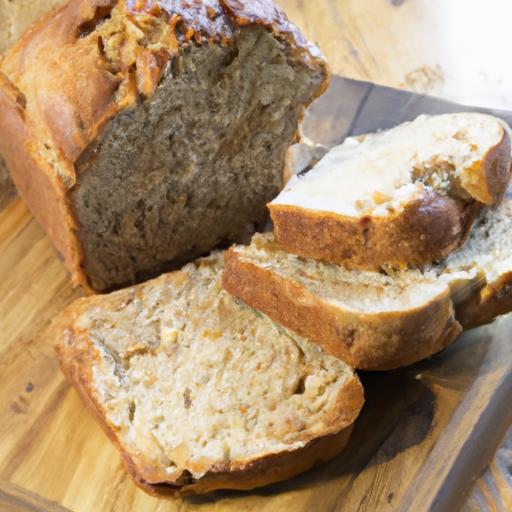

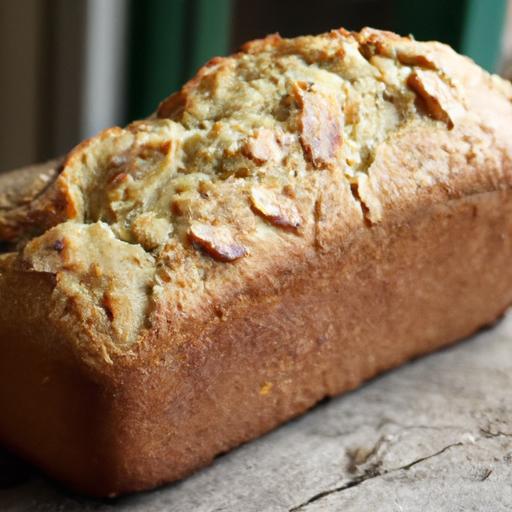
ThereS something truly magical about teh warm, comforting aroma of freshly baked bread wafting through the kitchen-a worldwide symbol of home and hospitality. But for those navigating gluten sensitivities or simply seeking a wholesome option,traditional loaves can be off-limits. Enter almond flour bread: a deliciously nutty, tender, and gluten-free option that’s redefining what it means to enjoy homemade bread. In this guide, we’ll explore the secrets to baking almond flour bread that’s as satisfying as its wheat-based counterparts, unlocking a world of “baking bliss” where flavor, health, and simplicity come together in every slice. Whether you’re a seasoned gluten-free baker or a curious newcomer,prepare to transform your kitchen into a haven of grain-free goodness.
Baking Bliss: Your Guide to Gluten-Free Almond Flour Bread begins with understanding the nuances that transform humble almond flour into a beautifully airy loaf. Unlike traditional wheat flour, almond flour commands a delicate balance of moisture and technique, crafting a tender crumb that still rises with character and depth. This journey from mixing to slicing opens a world where gluten-free doesn’t mean compromising on texture or flavor.
Prep and Cook Time
- Preparation: 15 minutes
- Resting & Proofing: 30 minutes
- Baking: 40 minutes
- Total Time: 1 hour 25 minutes
Yield
1 loaf (about 10 slices)
difficulty Level
Medium – Perfect for bakers ready to embrace gluten-free techniques with confidence.
Ingredients
- 2 ½ cups blanched almond flour, finely ground
- 1 teaspoon baking soda
- ½ teaspoon sea salt
- 4 large room-temperature eggs
- 2 tablespoons apple cider vinegar
- ¼ cup unsweetened almond milk
- 2 tablespoons melted coconut oil
- 1 tablespoon honey or maple syrup (optional for a hint of sweetness)
Instructions
- Preheat your oven to 350°F (175°C). Lightly grease a 9×5-inch loaf pan and line it with parchment paper for easy lifting.
- In a large bowl, whisk together almond flour, baking soda, and salt. Ensure no lumps remain, as this will help your bread rise evenly.
- In a separate bowl, beat eggs, apple cider vinegar, almond milk, melted coconut oil, and honey until fully combined and slightly frothy-this air incorporation is key to achieving fluffiness.
- Pour wet ingredients into dry and stir gently using a spatula or wooden spoon. avoid overmixing to preserve the air bubbles but ensure all ingredients are evenly combined.
- Transfer the batter into your prepared loaf pan, smoothing the top with a spatula. lightly tap the pan on the counter twice to release any trapped air pockets.
- Let the bread rest at room temperature for 20-30 minutes before baking. This subtle proofing step helps activate the baking soda and apple cider vinegar, contributing to a better rise.
- Bake for 40 minutes,or until the top is golden brown and a toothpick inserted in the center comes out clean. Tent with foil if the crust browns too quickly.
- Cool in the pan for 15 minutes, then transfer the loaf to a wire rack to cool completely before slicing. This prevents crumbling and helps the crumb set perfectly.
Chef’s Notes
- Choosing the Perfect Almond Flour: Select finely ground, blanched almond flour for a smooth texture that absorbs moisture evenly. Avoid almond meal with skins for a lighter crumb.
- Mixing and Kneading Tips: This bread requires gentle folding, not traditional kneading. The wet ingredients provide enough binding without gluten’s elasticity.
- Troubleshooting: If your bread feels dense, ensure your eggs are at room temperature and consider adding one additional egg white for extra lift.
- Make-Ahead: Store cooled bread in an airtight container at room temperature for 2 days or refrigerate wrapped tightly for up to a week.
- Freezing: Slice before freezing to easily toast individual pieces later without thawing the entire loaf.
Creative Flavor Boosters and Toppings
Elevate your almond flour loaf by swirling in cinnamon and nutmeg for a warmly spiced version, or add fresh rosemary and cracked black pepper for an herbaceous twist. sprinkle sesame seeds, flaxseeds, or sunflower seeds on top before baking for a crunchy, nutty crust. After baking,a smear of mashed avocado with a drizzle of lemon-infused olive oil creates a vibrant,creamy combo that’s perfect for breakfast or brunch.
Serving Suggestions
Serve slices toasted with a slather of butter and a drizzle of honey for a sweet indulgence. Pair it with creamy nut butters or fresh tomato and basil for a refreshing savory option. For a gourmet touch, try topping your bread with smoked salmon (fish-based, gluten-free) and a sprinkle of capers, embracing complexity without gluten’s aid.
| Nutrient | Per Slice (approx.) |
|---|---|
| Calories | 180 kcal |
| Protein | 7 g |
| Carbohydrates | 6 g |
| Fat | 15 g |

For more on gluten-free baking techniques, check out our detailed Gluten-Free baking Tips. To deepen your knowledge on almond flour’s nutritional benefits, visit Healthline’s thorough guide.
Q&A
Q&A: Baking Bliss – Your Guide to Gluten-Free Almond Flour Bread
Q1: What makes almond flour a star ingredient for gluten-free bread?
A1: almond flour shines in gluten-free baking because it’s naturally grain-free, packed with healthy fats, protein, and a rich, nutty flavor.Unlike some gluten-free flours that can be dry or crumbly,almond flour brings moistness and a tender crumb to bread,making every slice a soft,delightful experience.
Q2: Can I substitute almond flour with other nut flours in this bread recipe?
A2: While almond flour offers a balanced texture and flavor, you can experiment with other nut flours like hazelnut or cashew. Though, each nut flour has its own oil content and density, which can affect moisture and rise-so adjustments in baking time or additional binders might be needed.
Q3: How do I ensure my almond flour bread rises properly without gluten?
A3: Gluten provides structure in traditional bread, so gluten-free baking relies on alternative binders like eggs, xanthan gum, or psyllium husk powder. For almond flour bread, eggs typically act magic-giving lift and structure. Beating the eggs well and folding the batter gently helps trap air, leading to a light, fluffy loaf.
Q4: What’s the best way to store almond flour bread to keep it fresh?
A4: Almond flour bread is best enjoyed fresh but can be stored wrapped tightly in an airtight container or plastic wrap. Keep it in the refrigerator to prolong freshness up to 5 days. for longer storage,freeze individual slices in freezer bags-toast them straight from frozen for a quick warm-up.
Q5: Are there any tips for enhancing the flavor of almond flour bread?
A5: Absolutely! Adding a pinch of sea salt balances the natural sweetness of almond flour. You can also fold in herbs like rosemary or thyme, sprinkle seeds such as chia or sesame on top, or incorporate a touch of honey or cinnamon for a subtle twist. These little extras elevate the flavor profile beautifully.
Q6: How can I prevent almond flour bread from becoming too dense or crumbly?
A6: The secret is balance. Don’t overmix the batter, as it can cause a dense loaf. Also,measuring almond flour accurately and ensuring fresh,properly beaten eggs will contribute to structure and moisture. baking at the right temperature-usually moderately low-prevents a dry or crumbly texture.
Q7: Is almond flour bread suitable for all gluten-free diets?
A7: Almond flour bread is perfect for most gluten-free eaters, but keep in mind it contains nuts. Those with nut allergies should avoid it or consider other gluten-free flour options. Otherwise, it’s a delicious choice that fits well into paleo, low-carb, and grain-free lifestyles.
Q8: Can almond flour bread be toasted, and how does toasting affect its texture?
A8: Yes, almond flour bread toasts wonderfully! Because it’s denser than wheat bread, toasting gives it a crisp outer layer while keeping a moist center. It makes an excellent base for avocado toast or your favorite nut butter, adding a satisfying crunch to your bite.
Q9: What common mistakes should I avoid when baking almond flour bread?
A9: Three key missteps: using old almond flour that’s gone rancid, skipping binders like eggs or psyllium husk, and baking at too high a temperature. Fresh ingredients, proper binding agents, and gentle baking create the perfect loaf every time.
Q10: How versatile is almond flour bread in everyday cooking?
A10: Incredibly versatile! Beyond sandwiches, slice it for hearty croutons, French toast, or even as a base for bruschetta with fresh vegetables. Its rich flavor and dense texture make it a star ingredient in both savory and sweet creations.
The Way Forward
as you close the oven door on your latest loaf of almond flour bread, remember that baking gluten-free isn’t just a necessity-it’s a delicious adventure brimming with possibilities. With each tender slice, you’re not only savoring a nourishing treat but also embracing a world where flavor and health walk hand in hand. whether you’re new to gluten-free baking or a seasoned pro, let this guide be your trusty companion on the journey to baking bliss. So dust off your mixing bowls, gather your ingredients, and bake your way to a bread that’s as comforting as it is wholesome-because every great loaf tells a story, and yours is just beginning.