

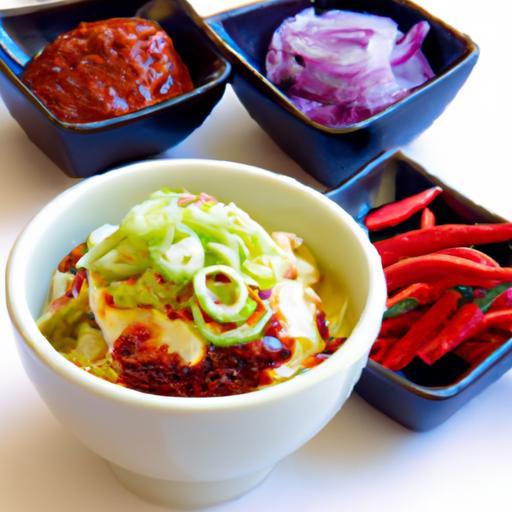
In the vibrant tapestry of Korean cuisine, few ingredients command as much respect-and intrigue-as gochujang. This fiery,flavorful chili paste is more than just a condiment; it is a culinary legend that encapsulates centuries of tradition,culture,and craftsmanship. From the subtly sweet heat that awakens the senses to its deep umami richness, gochujang weaves together a story of fermentation, regional heritage, and bold taste. Join us as we unveil the secrets behind Korea’s beloved chili paste, exploring its origins, ingredients, and the remarkable role it plays in both time-honored dishes and modern culinary innovations.
Gochujang, the iconic chili paste integral to Korean cuisine, is a vibrant fusion of spicy, sweet, and savory flavors that embody Korea’s rich culinary heritage.Its enduring popularity stems from centuries-old fermentation traditions, creating a deeply complex and umami-rich condiment that can transform any dish. Whether you’re familiar with Korean food or just beginning to explore, unlocking the story and versatility behind this fiery paste will inspire you to create bold, memorable meals in your own kitchen.
Prep and Cook Time
- Planning: 15 minutes
- Fermentation (if making from scratch): 30 days or more
- Cooking (when used in recipes): 10-20 minutes
Yield
- Makes approximately 1½ cups of homemade gochujang
Difficulty Level
- Medium (due to fermentation process-store-bought versions make it easy to start cooking promptly)
Ingredients
- 1/2 cup unsweetened roasted red chili powder (gochugaru)
- 1 cup sweet rice flour (glutinous rice flour)
- 2 cups water
- 1/2 cup fermented soybean powder (optional for authentic depth)
- 1/2 cup malt barley syrup or rice syrup
- 1/3 cup sea salt
- 1/4 cup soy sauce or traditional Korean soy sauce (ganjang)
Instructions
- Toast the rice flour: In a dry pan over medium heat, toast the sweet rice flour for 2-3 minutes until fragrant, stirring constantly to avoid burning.
- make the rice porridge: Gradually whisk the toasted rice flour into 2 cups of water in a saucepan. Cook over medium-low heat, stirring frequently enough until the mixture thickens into a smooth, sticky porridge (about 10 minutes). Remove from heat and let cool.
- Combine base ingredients: In a large bowl, mix the cooled rice porridge with roasted chili powder, fermented soybean powder (if using), malt syrup, soy sauce, and sea salt. Stir thoroughly until well combined into a thick, vibrant paste.
- Ferment: Transfer the paste to a clean, airtight container, leaving a little space for expansion. Press the mixture down to minimize air pockets. Cover with a breathable cloth or loosely with a lid to let gases escape. Store in a cool, dark place for 30 days or longer, stirring weekly to encourage even fermentation.
- Finished gochujang: After fermenting, the paste should smell slightly sweet and pungent, with deep red color and smooth texture, ready to enhance your favorite dishes.
Chef’s Notes and Tips for Success
- Substitutions: If you can’t find fermented soybean powder, omit it-you’ll lose some umami but still get great flavor.
- Fermentation alternative: Using store-bought gochujang is a fantastic shortcut that maintains authentic flavor without wait time.
- Storage: Keep homemade or store-bought gochujang refrigerated in a sealed container to maintain freshness and flavor for up to 6 months.
- spiciness control: Adjust chili powder quantity to your heat preference but remember that gochugaru offers subtle fruity undertones, unlike other chili powders.
- Make-ahead: Gochujang only improves with time-consider making a batch in advance for deeper complexity in your cooking.
Creative Culinary Uses: From traditional Dishes to Modern Twists
Beyond its classic role in bibimbap and tteokbokki, gochujang’s fiery depth lends itself to a spectrum of innovative culinary uses. Dab a spoonful into marinades for grilled meats to add a sweet-spicy kick,or blend it into dressings for an umami-packed twist on salads. It’s brilliant stirred into creamy dips, soups, and stews, elevating everyday comfort foods with a Korean flair. For adventurous cooks, experiment with gochujang glaze on roasted vegetables or drizzle it atop tacos for a fusion sensation. The vibrant scarlet color and dynamic flavor make it a showstopping centerpiece on any plate.
Serving Suggestions
- Use a small ramekin for dipping sauce alongside Korean fried chicken garnished with sesame seeds and scallions.
- Top rice bowls or noodle dishes with a dollop of gochujang, chopped fresh herbs (cilantro, green onions), and a sprinkle of toasted sesame seeds.
- Combine with honey and garlic for a quick BBQ glaze, brushing onto shrimp, pork belly, or grilled vegetables.
- Pair it with cool, crunchy vegetables like cucumber or daikon pickles to balance spice and texture.
| Nutrient | Per 1 tbsp Serving |
|---|---|
| Calories | 30 kcal |
| Protein | 1 g |
| Carbohydrates | 7 g |
| Fat | 0.2 g |

Discover how the bold essence of gochujang can elevate your cooking by exploring more vibrant Korean condiments in our Korean Condiments Essentials guide. For a deeper dive into fermentation science behind this fiery paste, the National Geographic fermentation article provides fascinating insights.
Q&A
Q&A: Gochujang Unveiled – Korea’s Fiery, Flavorful Chili Paste
Q1: What exactly is gochujang?
A1: Gochujang is Korea’s iconic fermented chili paste, a vibrant blend of red chili powder, glutinous rice, fermented soybeans, and salt. It’s a thick, sticky condiment that marries heat with deep umami and a subtle sweetness, making it a cornerstone in Korean cooking.
Q2: Where did gochujang originate?
A2: its roots stretch back over 600 years to the Joseon dynasty, where fermenting ingredients was a time-honored practice for preserving flavors. Gochujang was born from korea’s unique palate for spicy, savory, and slightly sweet tastes, evolving alongside the country’s culinary traditions.
Q3: What gives gochujang its distinctive flavor?
A3: The magic lies in fermentation.The natural microbes work their alchemy on glutinous rice and soybeans,crafting complex layers of tang,sweetness,and depth. The Korean chili powder adds smokiness and heat, resulting in a bold yet balanced flavor profile that’s both fiery and rich.
Q4: How is gochujang traditionally made?
A4: Traditionally, gochujang is crafted by mixing cooked glutinous rice with fermented soybean powder and red chili powder. This mixture is then salted and left to ferment in earthenware jars called onggi, exposed to the sun and time. This natural aging process can last several months to years, enriching its taste and texture.
Q5: What dishes commonly use gochujang?
A5: Gochujang is incredibly versatile! It stars in popular Korean dishes like bibimbap (mixed rice bowl), tteokbokki (spicy rice cakes), and kimchi stew. It’s also used as a marinade for meats, a base for dipping sauces, or simply to add a punch of flavor to soups and stir-fries.
Q6: can gochujang be used outside of Korean cuisine?
A6: Absolutely! Creative cooks have embraced gochujang worldwide, integrating it into everything from spicy BBQ sauces to fusion tacos, ramen, and even salad dressings. Its complex heat and savory sweetness elevate a broad spectrum of dishes beyond its traditional roots.
Q7: Is gochujang spicy for everyone?
A7: Its heat can vary from mild to quite fiery depending on the brand and chili content.However, gochujang’s richness and sweetness often temper the spiciness, appealing even to those who shy away from extremely hot foods. It’s a flavor adventure that invites you to explore its fiery charm gradually.
Q8: how should gochujang be stored and how long does it last?
A8: Once opened, gochujang should be refrigerated to maintain its freshness. Thanks to its fermented nature and salt content, it lasts quite a long time-frequently enough several months to a year-developing deeper flavors as it ages further in your fridge.
With gochujang’s captivating blend of spice, sweetness, and umami, it’s no wonder this Korean chili paste has ignited taste buds around the globe. Whether you’re a spice lover or a culinary explorer, gochujang invites you to savor Korea’s fiery and flavorful heritage-one spoonful at a time.
In Conclusion
As we close the lid on our exploration of gochujang, it’s clear that this fiery, flavorful chili paste is much more than just a condiment-it’s a vibrant thread woven into the rich tapestry of Korean culture and cuisine.From its ancient fermentation roots to its bold, umami-packed punch, gochujang invites adventurous palates to experience a symphony of heat, sweetness, and depth. Whether stirred into a bubbling bibimbap or blended into a modern fusion dish, this chili paste continues to ignite kitchens worldwide, proving that sometimes, the simplest ingredients can tell the most storied tales. So next time you reach for your spice rack, remember: gochujang isn’t just flavor-it’s an invitation to savor Korea’s fiery soul.