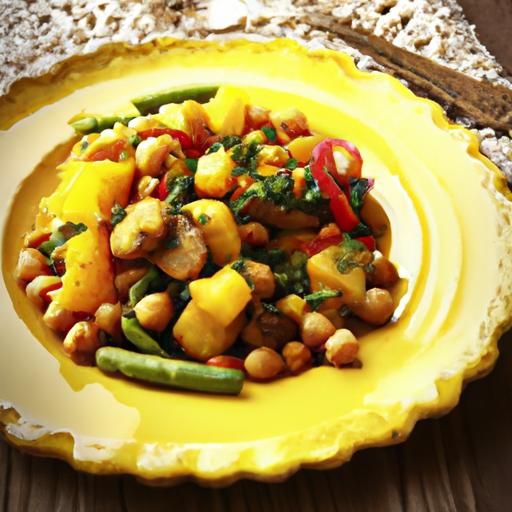

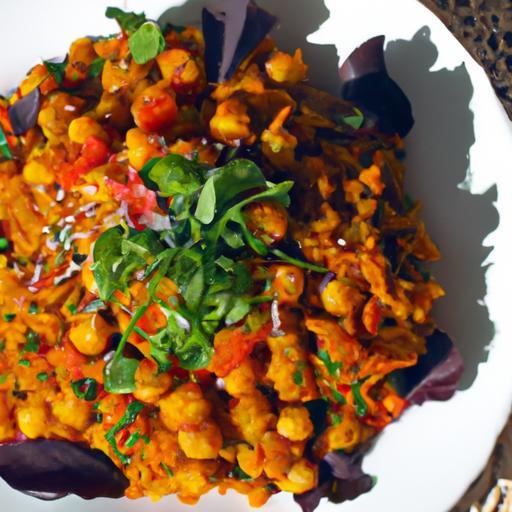
In the vibrant tapestry of global cuisine,few dishes evoke as much warmth and wonder as a well-crafted tagine. journey with us to sun-drenched landscapes where ancient grains and timeless spices converge, as we explore the enchanting harmony of Golden Grains & Spices: Kamut and Chickpea Tagine Delight. This recipe is more than a meal-it’s a party of history and flavor, blending the nutty, wholesome texture of kamut with the hearty earthiness of chickpeas, all simmered in a fragrant symphony of exotic spices. Join us as we uncover the stories behind these ingredients and reveal how they come together to create a dish that nourishes both body and soul.
Exploring the Ancient allure of Kamut: Nutritional Powerhouse and Flavor Profile
golden Grains & Spices: Kamut and Chickpea Tagine Delight brings to your table an remarkable harmony of flavors and nutrition deeply rooted in history. Kamut, also known as Khorasan wheat, is a revered ancient grain, cherished for its nutty, buttery taste and rich texture that lends sophistication to traditional dishes. Originating from the Fertile Crescent, kamut embodies a legacy of sustenance and vitality, packed with protein, essential minerals, and antioxidants that elevate every bite.
Paired with the humble yet versatile chickpea, a Mediterranean staple, this tagine showcases a gorgeous contrast between chewy kamut kernels and creamy legumes. Chickpeas not only bring a satisfying texture but also unlock a world of earthy,slightly sweet depth,making the dish a wholesome feast. Together, they create a nutrient-dense and flavor-packed symphony that honours timeless culinary traditions while appealing to modern palates.
Prep and Cook Time
- Preparation: 20 minutes
- Cooking: 1 hour 30 minutes
- Total Time: 1 hour 50 minutes
Yield
Serves 6 hearty portions
Difficulty Level
Medium – Perfect for home cooks looking to explore rich spices and ancient grains
Ingredients
- 1 cup kamut grain, rinsed and soaked overnight
- 1 ½ cups cooked chickpeas (or 1 can, drained and rinsed)
- 2 tbsp olive oil
- 1 large onion, finely chopped
- 3 cloves garlic, minced
- 1 tsp ground cumin
- 1 tsp ground coriander
- 1 tsp smoked paprika
- ½ tsp turmeric
- 1 tsp ground cinnamon
- ½ tsp cayenne pepper (optional, for warmth)
- 2 medium carrots, peeled and sliced
- 1 red bell pepper, diced
- 1 cup diced tomatoes (fresh or canned)
- 3 cups vegetable broth
- ½ cup dried apricots, chopped
- Salt and freshly ground black pepper, to taste
- Fresh cilantro and toasted slivered almonds for garnish
Instructions
- Prepare the grains: Drain the soaked kamut and set aside. Soaking softens the grain for a tender cooking texture.
- Sauté aromatics: heat olive oil in a heavy-bottomed tagine or large pot over medium heat. Add the chopped onion and sauté until translucent, about 5 minutes. Add garlic and cook until fragrant, another 1-2 minutes, stirring frequently.
- Toast spices: Stir in cumin,coriander,smoked paprika,turmeric,cinnamon,and cayenne. Toast the spices for 1 minute to release their oils, stirring constantly to avoid burning.
- Add vegetables: Toss in carrots and red bell pepper.Sauté for 5 minutes, allowing them to soften and begin caramelizing for natural sweetness.
- Combine liquid ingredients: Add diced tomatoes, vegetable broth, soaked kamut, and chickpeas. Stir well to combine everything evenly.
- Cook low and slow: Bring the mixture to a gentle simmer. Cover the pot/tagine and reduce heat to low. Cook for approximately 1 hour, stirring occasionally. Add more broth or water if it gets too thick.
- Incorporate dried apricots: About 15 minutes before the end, add the chopped apricots.Their subtle sweetness complements the spices and enriches the broth’s complexity.
- Season and finish: Taste and adjust seasoning with salt and pepper. remove the lid and cook uncovered for the last 5 minutes if needed to thicken the sauce. Remove from heat and let rest for 5 minutes before serving.
tips for success
- Soaking kamut: This step shortens cooking time and improves digestibility. If short on time, use quick-cooking kamut but adjust liquid and cook time accordingly.
- Layering spices: Toasting the spices in oil before adding liquids deepens flavor and aroma.
- Slow simmering: Maintain a gentle simmer to prevent the tagine from drying out while allowing flavors to meld beautifully.
- Make-ahead option: The tagine tastes even better the next day-reheat gently, adding a splash of broth if needed.
- Substitution note: If kamut is unavailable, farro or pearl barley are excellent substitutes that retain a similarly chewy texture.
Serving Suggestions
Serve this kamaut and chickpea tagine in rustic bowls, perfectly paired with warm, crusty whole-grain bread or fluffy couscous to soak up the aromatic juices. Garnish generously with fresh cilantro and toasted slivered almonds for a delightful contrast of freshness and crunch. A wedge of lemon on the side adds a bright, zesty accent that elevates every mouthful. For a refreshing balance, accompany your dish with a crisp cucumber and mint salad drizzled with a simple lemon vinaigrette.

| Nutrient | Per Serving |
|---|---|
| Calories | 385 kcal |
| Protein | 18 g |
| Carbohydrates | 58 g |
| Fat | 7 g |
For an in-depth perspective on ancient grains like kamut and their health benefits, visit the World’s Healthiest Foods. Also, explore our Moroccan Lentil Tagine recipe for another exciting plant-powered dish.
Q&A
Q&A: Golden Grains & Spices – Kamut and Chickpea Tagine Delight
Q1: What makes Kamut a special grain for a tagine dish?
A1: Kamut,an ancient grain with a golden hue,brings a slightly nutty,buttery flavor and a pleasantly chewy texture to dishes. Unlike common wheat, its hearty character holds up beautifully in slow-cooked recipes like tagine, absorbing spices while maintaining a satisfying bite. Its rich nutrient profile adds wholesome goodness to the meal, making the tagine both nourishing and flavorful.
Q2: How do chickpeas contribute to the tagine’s texture and taste?
A2: Chickpeas provide a creamy yet firm texture that contrasts wonderfully with the tender vegetables and grains in the tagine. Their subtle earthiness complements the aromatic spices, creating a deep, satisfying mouthfeel. Packed with protein and fiber, chickpeas also add substance and keep the dish hearty and filling without heaviness.
Q3: Which spices are essential in creating the signature flavor of this tagine?
A3: A symphony of warm, fragrant spices defines the Kamut and Chickpea Tagine’s soul. Cumin and coriander lend earthiness,while cinnamon and turmeric add warmth and golden color. A hint of smoked paprika or harissa can introduce subtle heat and depth. Fresh herbs like cilantro or parsley brighten the dish at the end, balancing the richness with a fresh, zesty note.
Q4: can this tagine be adapted for different dietary preferences?
A4: Absolutely! This tagine is naturally vegan and gluten-free when made with Kamut alternatives like quinoa or millet, making it inclusive for many diets. You can easily adjust the level of spice and add seasonal vegetables or root tubers to suit your taste or what’s available. The dish’s versatility allows creative twists while maintaining its comforting essence.Q5: What’s the best way to serve Kamut and Chickpea Tagine for a complete meal?
A5: Serve this tagine steaming hot, garnished with fresh herbs and perhaps a dollop of cooling plant-based yogurt or a sprinkle of toasted nuts for crunch. Accompany it with warm flatbreads or a simple green salad dressed with lemon vinaigrette to balance the deep spices. It’s equally delightful as leftovers, where the flavors deepen overnight.
Q6: Why is the tagine cooking method ideal for this recipe?
A6: The tagine’s conical lid creates a moist, slow-cooking environment that allows Kamut and chickpeas to soak up every drop of flavorful broth and spice. This gentle simmering tenderizes the legumes and grains while melding the spices, delivering a rich, harmonious dish full of depth and warmth-a true celebration of golden grains and vibrant spices.
Future Outlook
as the warm aromas of toasted kamut and fragrant spices linger in the air, this chickpea tagine reminds us that culinary traditions can be both timeless and transformative. Golden grains and hearty legumes come together in a vibrant symphony of texture and flavor, inviting us to savor each bite and celebrate the nourishing power of simple ingredients elevated by skillful preparation. Whether you’re new to these ancient treasures or a devoted fan, this tagine offers a delicious gateway into the rich tapestry of North African cuisine-an experience that’s as wholesome as it is unforgettable. So next time you seek a dish that warms the soul and delights the palate, let kamut and chickpeas lead you on a flavorful journey you’ll want to revisit again and again.