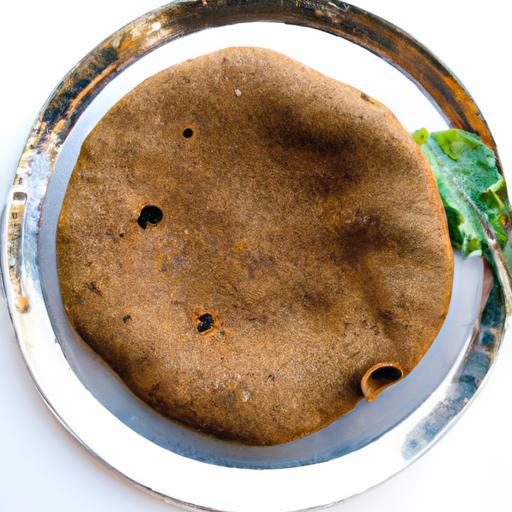

in the heart of Ethiopian culture lies a humble yet remarkable culinary treasure: injera,a spongy,tangy flatbread that serves as both plate and palate. Made from teff,an ancient grain rich in history and nutrients,injera is more than just a staple-its a vibrant expression of tradition,community,and flavor. In this article, we journey into the world of injera-inspired teff flatbread, unveiling the story behind its unique texture, its cultural significance, and how this time-honored recipe can bring a taste of Ethiopia’s rich heritage to your kitchen. Whether you’re a seasoned foodie or a curious cook, prepare to discover the magic of teff and the art of crafting injera, a bread that connects past and present in every bite.
Injera-Inspired Teff Flatbread: A Taste of Ethiopian Tradition
Injera-inspired teff flatbread is more than just a appetizing dish-it’s a culinary journey into the heart of Ethiopia’s vibrant culture, anchored by the ancient grain teff. Revered for its light, spongy texture and subtle tang, this flatbread holds centuries of tradition and a powerful nutritional profile that captivates food lovers worldwide. Whether you’re new to Ethiopian cuisine or a seasoned enthusiast, mastering teff flatbread at home will reward you with an authentic experience that celebrates fermentation, flavor complexity, and wholesome ingredients.
Prep and Cook Time
- Prep Time: 10 minutes
- Fermentation Time: 48 hours (variable, based on room temperature)
- Cook Time: 20 minutes
Yield
Approximately 8 medium-sized injera-inspired teff flatbreads
Difficulty level
Medium (requires patience and attention to fermentation details)
Ingredients
- 2 cups teff flour (brown or white teff, finely ground)
- 3 cups water, divided
- ¼ teaspoon active dry yeast (optional, for a boost in fermentation)
- ½ teaspoon salt
- 1 tablespoon lemon juice (to assist fermentation and develop tang)
- Neutral oil (such as vegetable or grapeseed, for greasing the pan)
instructions
- Mix the batter: In a large bowl, combine the teff flour with 2 ½ cups of water. Whisk thoroughly until smooth. Add the active dry yeast and lemon juice, then stir well to incorporate.
- ferment the batter: Cover the bowl loosely with a kitchen towel or plastic wrap. Let it sit at room temperature for 36 to 48 hours. You’ll notice bubbles forming on the surface and a slight sour aroma-these are signs the fermentation has succeeded, developing that essential tangy flavor.
- Adjust consistency: Before cooking, stir the fermented batter. If it appears too thick,incorporate the remaining ½ cup of water gradually until it reaches a pourable,pancake-batter-like consistency.
- Prepare the pan: Use a non-stick skillet or a customary clay griddle if available. Lightly grease the surface with a paper towel dipped in oil, ensuring even coverage without excess.
- Cook the flatbread: Pour about ½ cup of batter in a circular motion, starting from the center and spiraling outward to form a 9- to 10-inch diameter. Cover immediatly with a lid to trap steam, which helps cook thru while maintaining softness.
- Steam and finish: Cook for 2 to 3 minutes until holes (known as “eyes”) appear on the surface and the edges lift slightly. Do not flip the flatbread; the bottom should be lightly browned, soft, and pliable. Remove carefully with a spatula and place on a clean cloth to cool.
- Repeat: Continue the process with the remaining batter, oiling the pan sparingly to keep flatbreads tender and authentic in texture.
Tips for Success
- Fermentation control: Temperatures between 70-75°F (21-24°C) are ideal. If your kitchen is cooler, fermentation may take longer; a warmer room speeds it up.
- Bubbles and sour aroma: Don’t rush the fermentation-these signals indicate flavorful complexity vital to injera quality.
- Alternate flour blends: For a milder flavor, combine teff with small amounts of sorghum or barley flour, but stick primarily to teff for authenticity.
- storing batter: If you need to pause fermentation, refrigerate once sourness develops, but use within 48 hours for best results.
- Pan choice: A non-stick skillet is best for beginners. A seasoned cast iron will add a rustic crust and is highly recommended as you perfect your technique.
Serving Suggestions
Traditionally, injera-inspired teff flatbread is served as the foundation of an Ethiopian meal. Tear off pieces to scoop rich stews, hearty lentils, or vibrant vegetable sautéed dishes called wat. For a complete experience:
- Lay several flatbreads overlapped on a large communal platter as an edible base.
- Accompany with colorful dips like spicy berbere lentils, mild shiro (ground chickpea stew), or sautéed collard greens.
- Garnish with fresh herbs such as cilantro or mint and a drizzle of olive oil to brighten flavors.
- Pair with Ethiopian-style coffee or lightly brewed hibiscus tea to round out the sensory journey.
| Nutrient | Per Serving (1 flatbread) |
|---|---|
| Calories | 110 kcal |
| Protein | 3.4 g |
| Carbohydrates | 22 g |
| Fat | 0.7 g |
| Fiber | 3 g |
| Iron | 15% DV |
Explore how this nourishing flatbread enhances the authenticity of any Ethiopian-inspired meal. For step-by-step ethiopian stew recipes that pair beautifully with injera-inspired teff flatbread, check out our Ethiopian Wat Recipes Guide. To deepen your understanding of teff’s nutritional benefits, visit the NutritionValue database.

Q&A
Q&A: Injera-Inspired Teff Flatbread: A Taste of Ethiopian Tradition
Q1: What makes Injera different from other flatbreads around the world?
A1: Injera stands out with its unique spongy texture and tangy flavor, which comes from fermentation. Unlike most flatbreads, Injera is made from teff – an ancient Ethiopian grain – giving it a distinct earthy taste and a slightly sour note that perfectly complements a variety of Ethiopian dishes.
Q2: Why is teff such an important ingredient in traditional Injera?
A2: Teff is a tiny, nutrient-rich grain native to Ethiopia, prized for its high levels of protein, fiber, iron, and calcium. It’s naturally gluten-free and easy to digest.Using teff not only respects ethiopian heritage but also offers a healthful base that connects you to centuries of culinary tradition.
Q3: Can Injera-Inspired teff flatbread be made without the lengthy fermentation process?
A3: While traditional Injera benefits from 2 to 3 days of fermentation to develop its signature tang, you can speed up the process slightly by using natural starters like sourdough or probiotic cultures. However, rushing fermentation may affect the depth of flavor and texture, shifting away from the authentic experience.
Q4: How is Injera typically cooked to achieve its characteristic texture and appearance?
A4: Injera is traditionally cooked on a large, flat, round griddle called a mitad. The batter is poured thinly over the hot surface, cooking quickly into a soft, porous crepe with tiny holes on top – a beautiful “lace” that absorbs sauces and stews. at home, a non-stick skillet or cast iron pan can artfully mimic this method.
Q5: what kinds of dishes are best paired with Injera flatbread?
A5: Injera is the perfect edible plate for spicy stews, lentils, vegetables, and slow-cooked meats. Its mild sourness balances bold flavors, making each bite a delicious harmony of taste and texture. Traditionally, it’s eaten by tearing off pieces and using them to scoop up heaping helpings of rich, aromatic dishes.
Q6: Is Injera suitable for gluten-free diets?
A6: Absolutely! Pure teff Injera is naturally gluten-free, making it an excellent option for those with gluten sensitivities or celiac disease. Just be sure that the teff flour you purchase is certified gluten-free to avoid cross-contamination.
Q7: How can home cooks replicate the authentic Injera experience without teff flour?
A7: While nothing truly replaces teff’s flavor and nutrient profile, some home cooks use a blend of gluten-free flours like sorghum or millet mixed with a bit of buckwheat to approximate the earthy taste and texture. Keep in mind, the signature tang from fermentation and the traditional batter consistency are what really capture injera’s spirit.
Q8: what cultural significance does Injera hold in Ethiopian tradition?
A8: Injera is more than just food-it’s a symbol of community, hospitality, and heritage. Meals are often shared from a communal Injera spread, where diners gather around, fostering connection and conversation. Eating Injera is an experience deeply woven into Ethiopian social life and identity.
Q9: Can Injera-Inspired Teff Flatbread be incorporated into modern or fusion recipes?
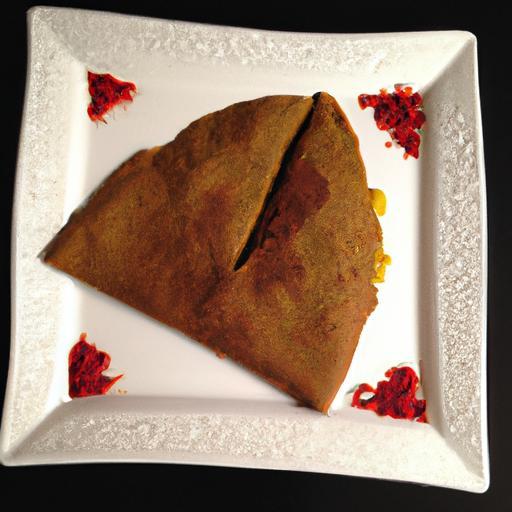
A9: Certainly! Injera’s airy texture and tang make it a creative base for wraps, sandwiches, and even breakfast dishes. Chefs are experimenting by layering it with fresh veggies, hummus, or spiced lentils, blending Ethiopian tradition with contemporary flavors to delight adventurous palates.
Q10: where can one find teff flour to start making Injera at home?
A10: Teff flour is increasingly available at health food stores, specialty ethnic markets, and online retailers. When selecting teff, opt for whole grain or brown teff for a rich, robust flavor, or white teff for a milder, lighter taste. This simple ingredient brings the heart of Ethiopia right to your kitchen.
Wrapping Up
As the fragrant aroma of teff fills your kitchen and the warm,earthy flavor of your injera-inspired flatbread graces your plate,you’re not just enjoying a meal-you’re partaking in centuries of Ethiopian tradition. This humble grain, packed with nutrition and history, invites you to explore a culture rich in community, resilience, and flavor. Whether served with spicy stews or wrapped around fresh vegetables, teff flatbread connects us to a heritage that celebrates sharing and nourishment. So next time you savor this ancient grain turned modern flatbread, remember: you’re tasting more than food-you’re tasting a story, a people, and a timeless culinary journey.