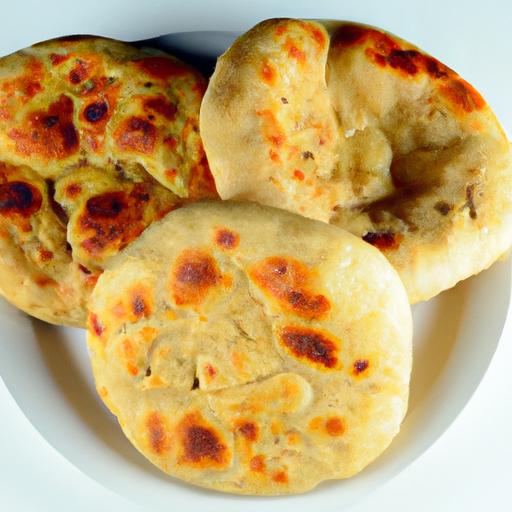

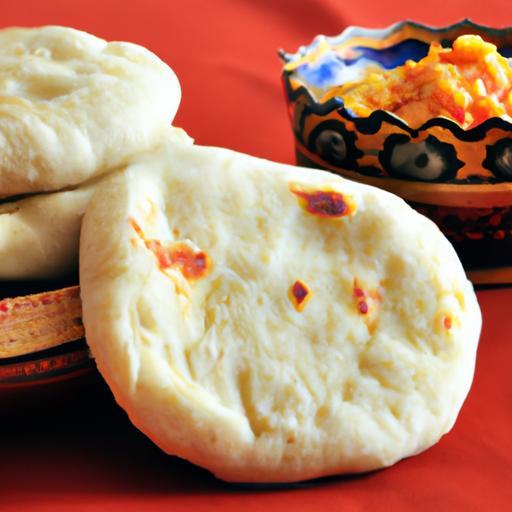
In the vibrant mosaic of Indian cuisine, kulcha stands out as a soft, fluffy treasure that has won hearts across the subcontinent. This beloved leavened bread, with its pillowy texture and subtle tang, invites food enthusiasts on a culinary journey thatS as rich in history as it is indeed in flavor. From bustling street markets to royal kitchens, kulcha has evolved over centuries, delighting palates with every warm, buttered bite. Join us as we uncover the story behind this quintessential Indian bread, exploring its origins, variations, and the cultural tapestry that makes kulcha not just a side dish but a beloved staple on countless tables.
Kulcha Uncovered: India’s Soft, Fluffy Leavened Bread Delight is more than just a bread; it’s a culinary emblem woven deep into the rich tapestry of Indian cuisine. Originating from the northern regions of India, kulcha reflects the grandeur of Mughal and Punjabi kitchens with its pillowy texture and slightly tangy, yeasty notes. As a staple in street food stalls and royal feasts alike,kulcha is cherished for its effortless ability to complement a variety of dishes,bridging customary comfort food with contemporary gustatory expressions. Whether enjoyed stuffed, topped, or plain, mastering kulcha at home promises an experience that is as rewarding as it is indeed delicious.
Prep and Cook Time
- planning Time: 20 minutes
- Rising Time: 1 hour
- Cook Time: 10 minutes
- Total Time: Approximately 1 hour 30 minutes
Yield
4 medium-sized kulchas (serves 3-4)
Difficulty Level
Medium – Requires basic dough handling skills and careful cooking for perfect softness
Ingredients
- 2 cups all-purpose flour, sifted
- 1 tsp active dry yeast
- 1 tsp sugar
- ½ tsp baking powder
- ½ tsp salt
- ¾ cup warm milk (about 110°F/43°C)
- 2 tbsp yogurt (at room temperature)
- 2 tbsp ghee or melted butter, plus extra for brushing
- Water, as needed for kneading
Instructions
- Activate the yeast: in a small bowl, combine warm milk, sugar, and yeast.Stir gently and let it sit for 10 minutes until bubbly and frothy.
- Prepare the dough base: In a large mixing bowl, sift together the all-purpose flour, baking powder, and salt.
- Combine wet ingredients: add yogurt, ghee, and the activated yeast mixture to the flour. Mix well.
- Knead the dough: Gradually add water, if necessary, to form a soft, pliable dough. Knead for at least 8-10 minutes until smooth and slightly elastic. A well-kneaded dough is key to achieving the signature fluffiness.
- First proof: Cover the dough with a damp cloth or plastic wrap and set aside in a warm place to rise for 60 minutes or until doubled in size.
- divide and roll: punch down the dough gently to release the air. Divide into 4 equal portions. Roll each portion into a ball, then flatten gently with a rolling pin into ovals or round discs about ¼ inch thick.
- Cook the kulcha: Heat a cast-iron skillet or non-stick pan over medium-high heat. Place one kulcha onto the hot pan. Cook for 1-2 minutes until bubbles start to form, then flip.
- Flip and cook the other side: Cook the second side for another 1-2 minutes. For the classic charred spots reminiscent of tandoor baking, press gently with a spatula or flip a couple of times.
- Butter finish: Remove the kulcha from the pan and immediately brush with ghee or melted butter for that glossy, aromatic finish.
- Repeat: Cook the remaining kulchas using the same process.
Tips for Success
- Use warm milk for yeast activation to encourage a lively rise; too hot will kill the yeast.
- For extra softness, substitute half the all-purpose flour with ½ cup whole wheat flour to bring a nutty dimension.
- If you want authentic tandoor-like flavor, finish by crisping the kulcha on a hot griddle or briefly broiling in the oven.
- Don’t over-roll the dough; keeping it slightly thick ensures fluffy layers inside.
- Kneading well is crucial – it develops gluten which traps air bubbles, making each bite soft and airy.
- Make-ahead tip: Prepare the dough and refrigerate overnight; bring it back to room temperature before rolling.
Innovative Fillings and toppings to Elevate Your Kulcha Experience
Traditional kulcha is often stuffed with spiced mashed potatoes (Aloo Kulcha) or aromatic dried fenugreek leaves (methi). But the canvas is wide-open for creativity:
- Paneer and mint chutney filling – combine crumbled paneer with finely chopped coriander, green chilies, and a spoonful of tangy mint chutney.
- Mixed vegetable stuffing – sauté finely diced carrots, beans, peas, and spices for a colorful, healthful interior.
- Cheese and herbs topping – sprinkle grated mild cheddar or mozzarella with chopped basil and crushed black pepper atop while cooking for a fusion twist.
- Butter garlic kulcha – brush cooked kulcha generously with garlic-ghee mixture and sprinkle freshly chopped coriander leaves.
Serving Suggestions
serving kulcha warm, brushed with butter, elevates the flavors and invites a communal dining experience. Try pairing it with:
- classic chole (spiced chickpea curry) – the quintessential Indian combo.
- Paneer tikka or grilled vegetable skewers – perfect for modern platters.
- Yogurt raita – cool and refreshing cucumber or boondi raita balances the richness.
- Pickles and fresh salad – a tangy carrot-beet salad or crisp cucumber slices add crunch and color.
For an elegant presentation, garnish with fresh coriander, slit green chilies, and a wedge of lemon on the side.
Nutritional Data
| Nutrient | Per Kulcha (Approx.) |
|---|---|
| Calories | 190 kcal |
| Protein | 5 g |
| Carbohydrates | 30 g |
| Fat | 6 g |
For a detailed exploration of Indian breads complementing kulcha,do check out our complete guide on Indian flatbreads.
To deepen your understanding of traditional Indian fermentation and baking techniques, Encyclopedia Britannica’s overview of Indian cuisine is a valuable resource.

Q&A
Q&A: Kulcha Uncovered – India’s soft, Fluffy leavened Bread Delight
Q1: What exactly is kulcha?
A1: Kulcha is a beloved Indian bread known for its soft, fluffy texture and mildly tangy flavor. Unlike plain flatbreads, kulcha is a leavened bread, meaning it rises slightly thanks to the use of yeast or fermentation. It originates from North India and serves as a versatile companion to a variety of dishes, prized for soaking up rich gravies and spices.
Q2: How is kulcha diffrent from other Indian breads like naan or roti?
A2: while naan and kulcha are both leavened and cooked in a tandoor (clay oven), kulcha is generally lighter and fluffier with a slightly crisp exterior. Naan often contains yogurt and sometiems milk,giving it a richer taste,whereas kulcha dough is typically simpler,occasionally enriched with baking soda or yeast. Roti, by contrast, is unleavened and thinner, making kulcha a unique middle ground between soft and crisp.
Q3: What ingredients go into making kulcha?
A3: Traditional kulcha dough is made from all-purpose flour (maida), water or milk, a leavening agent (such as yeast or baking powder), a pinch of sugar, salt, and a touch of oil or ghee for tenderness. Some regional variations include herbs like cilantro or fillings such as spiced potatoes, paneer, or onions, turning kulcha into a delightful stuffed treat.Q4: Is kulcha always cooked in a tandoor? Can it be made at home without one?
A4: While authentic kulchas are famously cooked in a tandoor oven, you can absolutely recreate their magic at home using a hot skillet or oven. The high heat helps develop a gorgeous char and crispness,but pressing dough balls on a heavy griddle and finishing under a broiler can yield wonderfully soft and fluffy results.
Q5: What dishes pair best with kulcha?
A5: Kulcha shines when paired with rich,saucy dishes. It’s traditionally enjoyed with fragrant chole (spiced chickpea curry), dal makhani (creamy lentils), or a smoky baingan bharta (mashed eggplant). Its gentle flavor and pillowy texture make it a perfect vehicle for scooping up flavorful curries or stuffing with spiced paneer or vegetables for a satisfying snack.
Q6: Can kulcha be made gluten-free or adapted for dietary preferences?
A6: Kulcha is traditionally made with wheat flour, but creative cooks have experimented with gluten-free flours like chickpea flour or millet blends. Achieving the characteristic softness can be a challenge without gluten’s elasticity; however, using a combination of gluten-free flours and binding agents like xanthan gum can create delicious, tender alternatives suitable for various diets.Q7: What cultural meaning does kulcha hold in Indian cuisine?
A7: Kulcha is more than just bread-it’s a culinary emblem of hospitality and party in North India, especially Punjab and Delhi. Often enjoyed during festive occasions, street food outings, or cozy family meals, kulcha embodies the warmth and richness of Indian home cooking. Its simple ingredients belie a tradition steeped in sharing and savoring good food together.
Q8: Any tips for making the perfect kulcha at home?
A8: To make kulcha that’s soft and fluffy: use warm liquid to activate the yeast properly, knead the dough until smooth and elastic, then allow ample time for the dough to rise.Cooking on high heat helps create those signature brown spots and slight crispness on the outside. For a more flavorful touch,brush freshly cooked kulcha with ghee or butter and sprinkle with nigella seeds or chopped fresh herbs.
Unlocking the secrets of kulcha reveals a bread that’s not just a staple, but a delicious cultural journey – one soft, fluffy bite at a time.
Closing Remarks
As we’ve journeyed through the layers of kulcha-its rich history, unique preparation, and the myriad ways it graces Indian tables-we uncover more than just a bread. Kulcha is a symbol of culinary craftsmanship, a soft and fluffy testament to India’s diverse food heritage.Whether paired with a spicy chole in Delhi or enjoyed simply with butter in a bustling street stall, kulcha continues to warm hearts and satisfy palates across the country. So next time you bite into this leavened delight, remember you’re tasting a piece of India’s vibrant story, one soft, airy kulcha at a time.