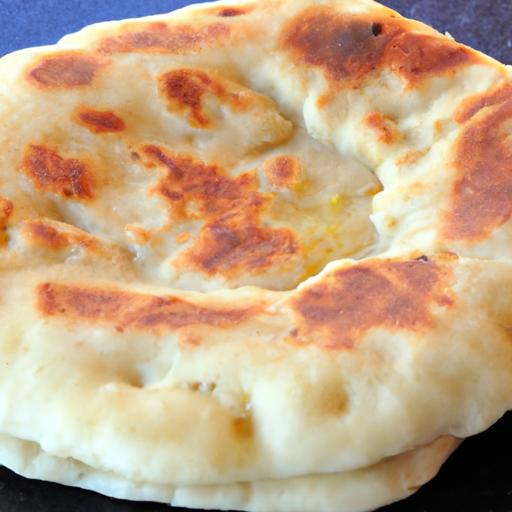

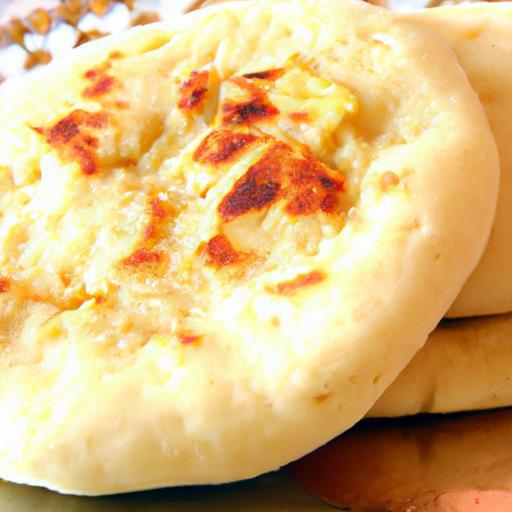
There’s a comforting, pillowy treasure tucked away in teh vibrant tapestry of Indian cuisine-kulcha. Soft,fluffy,adn irresistibly aromatic,this beloved bread isn’t just a humble accompaniment; it’s a culinary star in its own right. From the bustling streets of Delhi to cozy home kitchens across the subcontinent, kulcha captivates taste buds with its subtly charred exterior and melt-in-the-mouth texture. In this article, we embark on a flavorful journey to uncover the origins, variations, and the art of crafting kulcha, revealing why this simple bread continues to hold a special place on Indian plates and beyond.
Kulcha Uncovered invites you on a journey through the rich tapestry of Indian cuisine, where the soft, fluffy kulcha bread reigns supreme as an iconic delight. Hailing from the northern regions of India, particularly Punjab, kulcha is more than just bread-it’s a symbol of warmth, tradition, and comfort served alongside spicy curries and vibrant chutneys. I vividly recall my first bite of freshly made kulcha beneath the bustling streets of amritsar; the subtle char, pillowy texture, and comforting aroma etched an indelible memory, inspiring countless recreations in my own kitchen.
Prep and Cook Time
- Readiness: 20 minutes
- Resting Time: 1 hour 15 minutes
- Cooking Time: 10 minutes
- Total Time: 1 hour 45 minutes
Yield
- 6 medium-sized kulchas (serves 4)
Difficulty Level
- Medium (perfect for home cooks ready to master traditional dough techniques)
Essential Ingredients to Master the Art of Soft and Fluffy Kulcha Dough
- 2 cups all-purpose flour, sifted
- 1 teaspoon active dry yeast
- 1 teaspoon sugar
- ½ teaspoon baking powder
- ½ teaspoon salt
- ¾ cup warm milk (about 110°F/45°C)
- 2 tablespoons plain yogurt (room temperature)
- 2 tablespoons melted ghee or vegetable oil
- Butter or ghee (for brushing)
- Optional stuffing: spiced mashed potatoes, chopped onions with herbs, or grated paneer with green chilies
Comprehensive Step-by-Step Instructions
- Activate the yeast: In a small bowl, combine warm milk, sugar, and active dry yeast. Stir gently and let it bloom for 8-10 minutes until foamy. This step ensures a light, fluffy texture.
- Mix dry ingredients: In a large mixing bowl, whisk together the sifted all-purpose flour, baking powder, and salt for an even crumb.
- Create the dough base: Add the yogurt and melted ghee to the dry flour mixture, then slowly pour in the activated yeast mixture. Use a spoon or your hands to combine until it starts coming together.
- Knead the dough: Transfer the dough onto a lightly floured surface and knead vigorously for 8-10 minutes until smooth,elastic,and slightly tacky.
- Let it rise: Place the dough in a lightly greased bowl, cover with a clean damp kitchen towel or plastic wrap, and let it rest in a warm place for at least 1 hour or until doubled in size.
- Divide and shape: Punch down the dough and divide into 6 equal portions. For stuffed kulchas, gently flatten each ball, spoon your chosen filling in the center, and seal by folding edges inward, then roll out to 5-6 inch rounds.
- Cook the kulchas: Preheat a heavy-bottomed skillet or cast-iron tawa over medium-high heat. Place the rolled kulcha onto the skillet and cook for 2-3 minutes until bubbles form on top. Flip and cook the other side until golden brown spots appear.
- Finish on direct flame: For the signature charred spots, use tongs to place the kulcha directly over a low flame for 30 seconds per side, puffing slightly. Alternatively, keep cooking on skillet until done.
- Brush with ghee: Instantly brush hot kulchas with melted ghee or butter for irresistible aroma and softness.
- Serve warm: Stack kulchas under a clean cloth to retain warmth and softness before plating.
Tips for Success: Elevate Your Kulcha Experience
- Flour choice: Use soft, high-quality all-purpose flour. Avoid bread flour as it can yield a chewier texture.
- Yogurt matters: Fresh full-fat yogurt lends the best softness and flavor. Greek yogurt may dry out the dough.
- Humidity and kneading: Adjust flour quantity slightly if dough feels sticky. Knead well to develop gluten without overworking it.
- Resting time: Don’t rush the dough rising; a slow,steady rise ensures airy kulchas.
- Stuffing magic: Try variations such as spicy aloo, paneer masala, or fragrant keema for a flavor punch.
- Make ahead: Dough can be refrigerated overnight; bring to room temperature before rolling.
Perfect Pairings and Serving Suggestions for an Authentic Experience
Enjoy kulcha hot off the tawa, paired perfectly with traditional Punjabi dishes like Rajma Masala (red kidney bean curry) or a bowl of tangy, cooling cucumber raita. Garnish with freshly chopped coriander and a dollop of tangy mango pickle on the side to heighten authenticity. A wedge of lemon and a handful of sliced onions sprinkled with chaat masala add a refreshing bite alongside each soft, fluffy kulcha.
For a hearty indulgence, slather kulchas with aromatic garlic butter or accompany them with rich butter chicken (recipe available here) for an unbeatable combination of textures and flavors.

| Nutritional Info (per kulcha) | Amount |
|---|---|
| Calories | 180 kcal |
| Protein | 5 g |
| Carbohydrates | 30 g |
| Fat | 4 g |
Q&A
Q&A: Kulcha Uncovered – The Soft, Fluffy Indian Bread Delight
Q1: What exactly is kulcha?
A1: Kulcha is a traditional Indian bread that’s soft, fluffy, and slightly chewy. Unlike regular flatbreads, it’s leavened with yeast or baking powder, which gives it a delightful puffiness. Originating from North India,kulcha is typically baked in a tandoor (clay oven) but can also be prepared on a stovetop or in a conventional oven.
Q2: How does kulcha differ from other Indian breads like naan or roti?
A2: While naan and kulcha might seem similar at first glance, kulcha generally has a lighter, fluffier texture and is often made with refined flour (maida) and leavening agents. Roti, on the other hand, is unleavened and made from whole wheat flour, making it thinner and more rustic. Kulcha’s unique softness and slight chewiness give it a distinct identity on the Indian bread spectrum.
Q3: What are the common types or variations of kulcha?
A3: Kulcha comes in many delicious avatars! The classic plain kulcha is a crowd favorite, but stuffed variations are incredibly popular too. Aloo kulcha, filled with spiced mashed potatoes, and paneer kulcha, packed with seasoned cottage cheese, are especially beloved. Some kulchas incorporate herbs like coriander or nigella seeds for extra flavor and aroma.
Q4: How is kulcha traditionally cooked?
A4: Traditionally, kulcha is baked in a tandoor, where the intense heat gives it a crispy exterior and soft interior. The dough is slapped onto the side of the tandoor oven, where it puffs up beautifully. At home, a cast-iron skillet or oven can mimic this effect by cooking the kulcha at high heat, sometimes finished off with a brush of butter or ghee.
Q5: What flavors or spices are typically used in kulcha dough?
A5: The dough itself is often simple – flour, water, yeast or baking powder, and sometimes yogurt for tang and moisture. To elevate the taste, nigella seeds (kalonji), cumin seeds, or finely chopped herbs like coriander are commonly added. These subtle additions imbue kulcha with gentle bursts of flavor and an inviting aroma.Q6: What dishes pair beautifully with kulcha?
A6: Kulcha is a versatile companion to many Indian dishes. It shines when served with rich and flavorful curries like chole (spiced chickpeas), paneer tikka masala, or dal makhani. Its soft texture soaks up sauces effortlessly, making every bite an indulgence. It’s also delightful rolled up with a dollop of butter, chutney, or pickles for a simple snack.
Q7: Can kulcha be made gluten-free or vegan-friendly?
A7: While traditional kulcha uses refined wheat flour,creative adaptations can be made using gluten-free flour blends,like rice flour or chickpea flour,although the texture might vary. For vegan kulcha, simply substitute yogurt with plant-based alternatives such as coconut yogurt or almond milk mixed with a touch of lemon juice to imitate tanginess.These tweaks allow more people to savor kulcha’s charm.
Q8: What makes kulcha a beloved choice at Indian street food stalls and restaurants?
A8: Kulcha’s irresistible combination of fluffiness, light chew, and flavor adaptability makes it a street food star. It’s rapid to prepare, filling without being heavy, and pairs wonderfully with a variety of toppings and fillings. The slight char from the tandoor or skillet adds a smoky nuance, enticing food lovers time and again.
Q9: Any tips for baking perfect kulchas at home?
A9: Absolutely! Make sure the dough is well-kneaded and rested to develop gluten for that perfect stretch. Use warm water or warm milk to activate the yeast effectively. Roll the dough evenly to ensure consistent puffing and cook on a hot surface. Brushing with melted butter or ghee right after cooking adds a luscious finish. And don’t worry if the first attempt isn’t perfect-practice is the secret ingredient!
Q10: Why is kulcha more than just bread to many?
A10: Kulcha holds a special place in Indian culinary culture-it’s comfort food, a reminder of family meals, festive occasions, and street-side indulgences. Its inviting texture and flavors evoke nostalgia and warmth, making it more than just bread; it’s a delicious experience wrapped in soft layers of tradition and love.
Insights and Conclusions
As we wrap up our flavorful journey into the world of kulcha, it’s clear that this soft, fluffy indian bread is more than just a simple accompaniment-it’s a culinary canvas rich with history, culture, and comforting taste. Whether enjoyed piping hot from a tandoor or savored alongside spicy curries, kulcha embodies the warmth and diversity of Indian cuisine in every bite. So next time you crave that perfect blend of softness and subtle tang, let kulcha be your delicious finding, inviting you to uncover the layers of tradition behind its heavenly fluffiness.