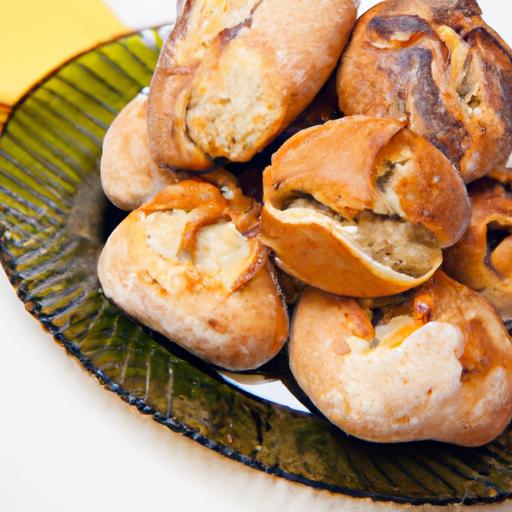

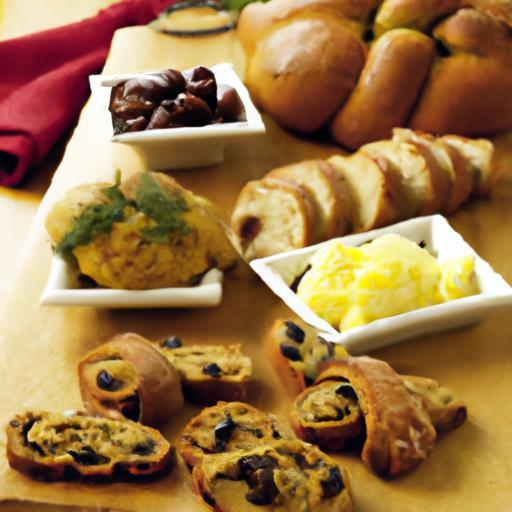
There’s somthing undeniably enchanting about olive bread-a humble loaf that carries within it centuries of Mediterranean heritage and a symphony of rich, briny flavors. “Olive Bread Delights: A Perfect Blend of Flavor & Tradition” invites you on a sensory journey where rustic dough meets the luscious essence of olives, creating a culinary treasure that is as pleasing to the palate as it is to the soul. Beyond its inviting aroma and satisfying texture lies a story woven from timeless recipes and regional customs, making olive bread not just food, but a celebration of culture and craftsmanship. Whether enjoyed fresh from the oven or paired with cheeses and wines, olive bread remains a beloved staple that continues to unite tradition with taste in every bite.
Origins and cultural Importance of Olive Bread in Mediterranean Cuisine
Olive Bread Delights have been cherished staples across Mediterranean tables for centuries, embodying a rich culinary history closely tied to the sun-drenched groves where olives flourish. This rustic bread, studded with briny olives and infused with aromatic herbs, reflects a tradition of resourceful cooking-turning simple, local ingredients into something exceptional. From the small coastal villages of Italy and Greece to the vibrant markets of Provence, olive bread carries stories of family gatherings, celebratory meals, and daily sustenance, making it a true emblem of Mediterranean warmth and hospitality.
The unique flavors and textures of this bread trace back to both the olive varieties used and the baking methods handed down through generations. Olive trees, symbolizing peace and abundance, provide not only the olives but also the inspiration for a bread that balances indulgence with earthiness. Each bite delivers a satisfying blend of chewy crumb, crispy crust, and bursts of salty-sweet olive flavor, making the bread as versatile as it is beloved.
Exploring the Unique Flavors and Textures That Define Olive Bread
The magic of olive bread lies in its contrast: the slightly crunchy exterior against the tender, airy interior, punctuated by olives that bring bursts of aromatic fruitiness and a touch of saline richness. The choice of olives-whether mild green Castelvetrano or intense Kalamata-dramatically shapes the bread’s flavor profile.
Beyond taste, the texture is just as vital. Proper fermentation develops the dough’s gluten network for an open crumb structure, while a hot oven with steam creates the classic crackling crust. Herbs like rosemary or thyme frequently enough enhance this experience, marrying beautifully with the olive’s natural oils. Together, these elements create a multisensory journey that’s deeply tied to Mediterranean culture and its appreciation for simple, honest food.
Tips for Selecting the Finest Olives and Ingredients for Homemade Olive Bread
Choosing the best ingredients is critical when aiming to craft authentic Olive Bread Delights at home. Opt for high-quality, pitted olives preserved in brine or oil to ensure they retain their robust flavor and tender texture. Avoid overly salty or dry olives, as they can imbalance the dough’s moisture.
Use bread flour or a strong all-purpose flour to develop gluten, which aids in creating the signature airy structure. Fresh,active yeast guarantees optimal rise,while quality sea salt enhances flavor without overwhelming. For an aromatic touch, consider adding finely chopped fresh herbs. good cold-pressed extra virgin olive oil is essential-not just for mixing into the dough but also for brushing the crust before baking, resulting in a golden, fragrant finish.
Step by Step Guide to baking Artisan Olive Bread at Home
Prep and Cook Time
Readiness: 30 minutes | Rising: 1.5-2 hours | Baking: 30-35 minutes | Total: Approximately 2.5 hours
Yield
Makes 1 medium loaf, serves 8
Difficulty Level
Medium – perfect for bakers comfortable with hands-on fermentation and shaping techniques
Ingredients
- 3 ½ cups bread flour, sifted
- 1 ¼ cups warm water (about 105°F / 40°C)
- 2 teaspoons active dry yeast
- 1 ½ teaspoons fine sea salt
- 1/3 cup extra virgin olive oil, plus more for brushing
- 1 cup pitted olives (Kalamata or Castelvetrano), coarsely chopped
- 1 tablespoon fresh rosemary, finely chopped (optional)
Instructions
- Activate the yeast: In a small bowl, combine the warm water with yeast and a pinch of sugar. Stir briefly and let it sit for 5-10 minutes until foamy and bubbly, indicating the yeast is alive.
- Mix the dry ingredients: In a large mixing bowl, whisk together the bread flour and sea salt. Make a well in the center.
- Combine wet and dry: Pour the activated yeast mixture and olive oil into the flour well. Using a wooden spoon or your hands, mix until the dough starts to come together.
- Knead the dough: Turn the dough onto a lightly floured surface. Knead vigorously for 8-10 minutes until smooth,elastic,and slightly tacky. Add a small sprinkle of flour only if it’s too sticky.
- First rise: Shape the dough into a ball and place it in a lightly oiled bowl. Cover with a damp cloth or plastic wrap. Allow it to rise in a warm spot for 1 to 1 ½ hours, or until doubled in size.
- Incorporate olives and herbs: Gently punch down the dough and transfer it back onto a floured surface. fold in the chopped olives and rosemary evenly without deflating the dough too much.
- Shape the loaf: Form the dough into a round boule or an oval bâtard.Place it on a parchment-lined baking tray or banneton basket if available. Cover and let rest for 30 minutes for the second rise.
- Preheat the oven: Set your oven to 450°F (230°C). Place a metal baking tray or cast iron pan on the oven floor for steam generation.
- Prepare for baking: Just before baking, score the loaf with a sharp blade or lame to allow controlled expansion. Lightly brush the top with olive oil for a glossy crust.
- Bake with steam: Place a cup of hot water in the preheated pan to create steam.Bake the bread for 30-35 minutes, rotating halfway through for even browning.The crust should be deeply golden and crisp.
- Cool: transfer the bread to a wire rack and allow it to cool completely before slicing. This preserves the crumb structure and prevents gumminess.
Chef’s Notes for Olive Bread Delights
- Olive Variations: Feel free to mix olive types-green for a bright, buttery taste and black for a richer, earthier note.
- Herb Alternatives: Fresh thyme or oregano complement olives beautifully and can be swapped or combined with rosemary.
- Moisture Balance: If olives are very salty or oily, rinse and pat dry to avoid soggy crumb or over-salty bread.
- Make-Ahead: Dough can be refrigerated overnight after the first rise for deeper flavor growth. Bring to room temperature before shaping.
- Gluten-Free Option: Substitute with a tested gluten-free flour blend and add xanthan gum as per package instructions-expect denser results.
Serving Suggestions
Serve fresh slices of Olive Bread Delights with extra virgin olive oil and balsamic vinegar for dipping, or alongside a platter of marinated vegetables, fresh ricotta, or a vibrant tomato bruschetta. Garnish with a sprig of fresh rosemary or a light drizzle of olive oil for a rustic,elegant presentation. This bread also shines when paired with Mediterranean-inspired soups such as roasted red pepper or creamy chickpea stew, adding a textural delight and complementing the meal’s flavors.
| Nutrition (per slice) | Amount |
|---|---|
| Calories | 180 |
| Protein | 5g |
| Carbohydrates | 28g |
| Fat | 5g |

For a deeper dive into Mediterranean breads, explore our Mediterranean Bread Recipes Collection. Additionally, learn more about the interesting history of olive cultivation at the International Olive Council.
Q&A
Q&A: Olive Bread Delights – A Perfect blend of flavor & tradition
Q1: What makes olive bread such a beloved traditional treat?
olive bread captures the heart of Mediterranean cuisine by marrying fragrant, briny olives with warm, crusty bread. Its appeal lies in the harmony of textures-the tender crumb paired with bursts of savory, slightly tangy olives-invoking centuries of rustic baking traditions passed down through generations.
Q2: Which types of olives are best suited for baking into bread?
Varieties like Kalamata, Castelvetrano, and Gaeta are popular choices. Kalamata olives offer a bold, fruity depth, Castelvetrano bring a buttery, mild sweetness, and Gaeta provide a slightly tart, aromatic profile. Each type transforms the simple loaf into a flavor experience that can be tailored to preference.
Q3: How do the olives affect the bread’s texture and flavor?
Olives contribute pockets of juiciness and saltiness, creating delightful contrasts within the soft crumb. When baked, their natural oils infuse the dough, enriching the bread’s aroma and moistness while adding a savory punch that elevates even the most basic loaf.
Q4: Can olive bread be made without yeast?
Absolutely! While traditional olive bread often relies on yeast for its airy texture, swift bread recipes incorporating baking soda or baking powder also work well. The key is to fold the olives gently into the batter or dough to maintain a tender crumb and avoid overmixing.
Q5: What herbs or spices complement olives in olive bread?
Classic mediterranean herbs like rosemary, thyme, and oregano perfectly highlight the olives’ aroma. A touch of cracked black pepper or a sprinkle of fennel seeds can add subtle warmth and complexity, enhancing the bread’s rustic charm without overwhelming the olive’s natural flavor.
Q6: How can olive bread be enjoyed beyond just a simple slice?
Olive bread shines when paired with a variety of spreads such as herbed olive oil dips,creamy cheeses,or roasted vegetable spreads. Toasting it lightly brings out its nutty crust and intensifies the olive notes, making it a perfect companion for hearty soups or fresh salads.
Q7: What is a traditional way to bake olive bread?
Traditionally, olive bread is hand-shaped into rustic rounds or elongated loaves, scored on top to help steam escape, and baked in a hot, stone oven or Dutch oven to create a crisp crust.the method honors artisanal craftsmanship and brings out a deep, caramelized flavor.
Q8: how can someone incorporate olive bread into modern meals?
Try using slices of olive bread to craft gourmet sandwiches filled with roasted vegetables, fresh greens, and flavorful cheeses. It also makes an excellent base for bruschetta or crostini topped with seasonal toppings, fusing tradition with contemporary cuisine effortlessly.
Q9: Are there any tips for storing olive bread to maintain freshness?
Store olive bread wrapped in a clean cloth or paper bag at room temperature for up to two days to preserve its crust. For longer storage, freeze slices individually wrapped; when ready to enjoy, toast them to revive the bread’s delightful texture and warm up the olive aromas.
Q10: What cultural significance does olive bread hold?
Olive bread reflects the rich agricultural heritage of Mediterranean regions where olives are symbols of peace, prosperity, and longevity. This bread is more than food-it’s a culinary celebration connecting people to the land and traditions that have nurtured communities for centuries.
to sum up
As the warm aroma of olive bread lingers in your kitchen,it’s clear that this humble loaf is so much more than just a staple-it’s a living testament to centuries of culinary tradition and craftsmanship. With every bite, you taste the harmony of rich, fruity olives entwined with the comforting embrace of freshly baked dough, a blend that elevates simple ingredients into a timeless delight. Whether enjoyed fresh from the oven or paired with your favorite cheeses and spreads, olive bread invites you to savor a slice of heritage, flavor, and warmth. So next time you seek a bread that tells a story as flavorful as it is enduring, let olive bread be your delicious, soulful choice.