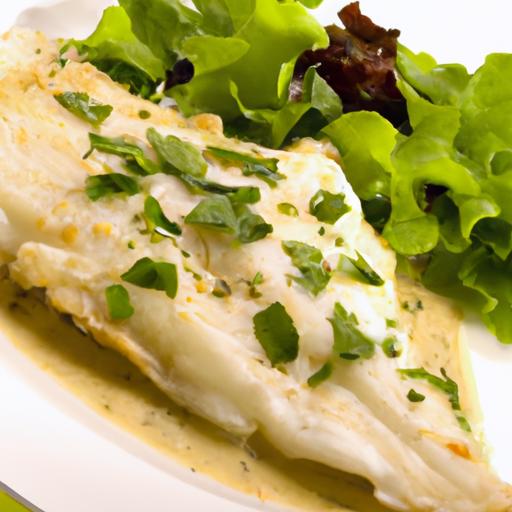

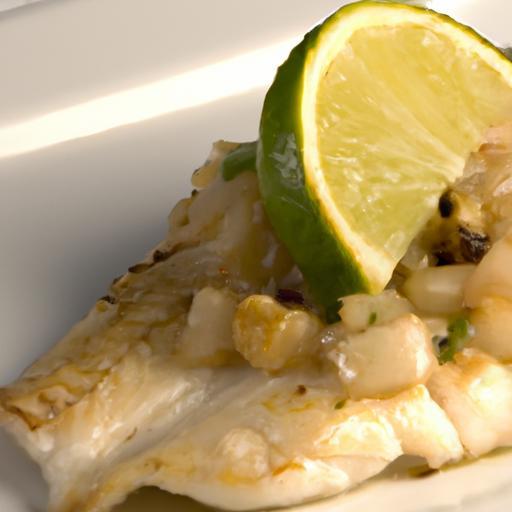
There’s something wonderfully unassuming about flounder-a delicate, mild white fish that holds a quiet promise of ocean-fresh flavor. Yet, its subtlety can be a double-edged sword: without teh right technique, flounder can easily turn out bland or overcooked. Enter the oven, a steadfast ally in the quest for perfect flavor. In this guide, we’ll unlock the secrets to oven-baking flounder, transforming this humble catch into a succulent, flaky masterpiece. Whether you’re a seasoned seafood lover or a kitchen novice, prepare to discover simple tips and flavorful twists that bring out the best in this versatile fish-making every bite a festivity of the sea’s gentle bounty.
Oven-Baked Flounder: A Simple Guide to Perfect Flavor
Oven-baked flounder offers an exquisite way to savor this delicate, sweet fish that has graced coastal tables for centuries. With its whisper-thin fillets and subtly sweet profile, flounder transforms into a tender, flaky masterpiece when treated with care – making it a favorite for family dinners and special occasions alike. Whether you’re a seasoned cook or a culinary enthusiast eager to explore seafood, mastering the nuances of choosing, seasoning, and baking this fish will elevate your meals to delicious new heights.
Choosing the Freshest Flounder for Optimal Taste
Choosing fresh flounder is the foundation of any memorable meal. Look for fillets with a translucent sheen and firm flesh that bounces back when pressed gently. Avoid any with a fishy odor; fresh flounder should smell faintly of the ocean, clean and crisp. If possible, buy from a trusted fishmonger who can guarantee its catch date and storage conditions. Remember, the fresher the flounder, the more vibrant its natural flavors will shine through in your oven-baked dish.
Mastering Marinades and Seasonings to Enhance Natural Flavors
Delicate fish like flounder benefit immensely from bright,simple marinades that highlight rather than overpower. A blend of fresh lemon juice, minced garlic, a drizzle of olive oil, and freshly chopped herbs like parsley or dill works wonders to accentuate the mild sweetness of the fish. Season lightly with sea salt and freshly ground black pepper – these basic yet essential enhancers allow the flounder’s gentle flavor to take center stage. For a subtle spice twist, consider a pinch of smoked paprika or a dash of citrus zest. Marinate the fillets for 15 to 20 minutes – just enough to infuse flavor without compromising the delicate texture.
Step by Step Guide to Oven Baking for Tender and Flaky Results
- Prep and Cook Time: 10 minutes prep, 15-20 minutes cook
- Yield: serves 4
- Difficulty Level: Easy
Ingredients
- 4 fresh flounder fillets (about 6 oz each), skin removed
- 2 tablespoons extra virgin olive oil
- 2 tablespoons fresh lemon juice
- 2 cloves garlic, minced
- 1 tablespoon chopped fresh parsley
- 1 teaspoon sea salt
- ½ teaspoon freshly ground black pepper
- ½ teaspoon smoked paprika (optional)
- Lemon slices, for garnish
- Fresh dill sprigs, for garnish
Instructions
- Preheat your oven to 400°F (200°C). Lightly grease a baking dish with olive oil to prevent sticking.
- Prepare the marinade: In a small bowl, whisk together olive oil, lemon juice, minced garlic, chopped parsley, salt, pepper, and smoked paprika if using.
- Place the flounder fillets in the prepared baking dish. Pour the marinade evenly over the fillets,making sure each piece is well coated.
- Let the fillets marinate at room temperature for 15 to 20 minutes – this step enhances flavor without compromising fish texture.
- Bake uncovered in the preheated oven for 12-15 minutes. Check at the 12-minute mark for doneness: the fish should flake easily when gently tested with a fork.
- Remove from oven and let rest for 2 minutes before serving. Garnish with lemon slices and fresh dill sprigs to add a burst of color and freshness.
Perfect Side Dishes and Serving Suggestions to Complement Your Flounder
To create a meal that sings with balance and vibrancy, pair your oven-baked flounder with sides that offer contrasting textures and complementary flavors. Consider fluffy herb-roasted baby potatoes or a light quinoa salad tossed with cucumber, cherry tomatoes, and fresh mint. For greens, a crisp arugula salad dressed with lemon vinaigrette will echo the citrus notes in the fish. Drizzle a little extra virgin olive oil or a basil-infused oil over the fish before serving for that final flavor flourish.
For a warm side,steamed asparagus or sautéed green beans with a touch of garlic provide satisfying color and crunch,while a dollop of whipped lemon herb butter can gently melt into the flounder’s flaky layers,adding luxurious mouthfeel and depth.
Tips for Success
- Marinate just enough to enhance flavor-flounder’s delicate flesh can “cook” in acidic marinades if left too long.
- Use a meat thermometer to check doneness; flounder is perfectly cooked at an internal temperature of 135°F (57°C).
- If you prefer a crispier finish, broil for the last 1-2 minutes, watching closely to prevent burning.
- Feel free to substitute fresh dill for parsley or add a pinch of crushed red pepper flakes for gentle heat.
- Make ahead tip: Marinate fillets up to 1 hour ahead and store covered in the fridge-bring to room temperature before baking.
- For a gluten-free option, serve flounder over a bed of wild rice or cauliflower rice.
| Nutrient | Per Serving |
|---|---|
| Calories | 210 |
| Protein | 28g |
| Carbohydrates | 2g |
| Fat | 9g |
For further inspiration on perfect fish cooking techniques, explore our detailed guide on baking fish. To ensure you’re always selecting the freshest catch, check out this FDA guide to selecting fresh seafood.

Q&A
Q&A: Oven-Baked Flounder – A Simple Guide to Perfect Flavor
Q1: What makes flounder a great choice for baking?
A1: Flounder is a delicate, mild-flavored white fish that bakes quickly and absorbs seasonings beautifully. Its thin fillets cook evenly, resulting in tender, flaky perfection without much fuss-ideal for a swift yet impressive meal.
Q2: How do I prepare flounder before baking?
A2: Start by rinsing the fillets gently under cold water, then pat them dry with paper towels. This step ensures a clean surface for seasoning and helps the fish bake evenly.You can also remove any small bones with tweezers for a smoother eating experience.
Q3: Which seasonings best enhance the natural flavor of flounder?
A3: Simple, fresh ingredients work wonders: a sprinkle of sea salt, cracked black pepper, a squeeze of lemon juice, and a dusting of garlic powder or fresh minced garlic. Herbs like dill, parsley, or thyme add fragrant notes without overwhelming the fish’s subtle taste.
Q4: What temperature and baking time yield the best results?
A4: Bake flounder at 375°F (190°C) for about 12-15 minutes, depending on thickness. The fish is done when it turns opaque and flakes easily with a fork. Avoid overbaking to keep it moist and tender.
Q5: Can I add a crunchy topping to baked flounder?
A5: Absolutely! A light breadcrumb crust mixed with some grated Parmesan, lemon zest, and herbs creates a delightful textural contrast. Sprinkle this mixture on top before baking for a golden,crispy finish that complements the soft flesh underneath.
Q6: What side dishes pair well with oven-baked flounder?
A6: Flounder’s lightness calls for fresh, vibrant sides. Think roasted asparagus, herbed quinoa, or a crisp green salad with citrus dressing. Steamed baby potatoes or sautéed spinach also make great companions, balancing the meal with varied textures and flavors.Q7: Is it better to bake flounder covered or uncovered?
A7: Baking uncovered allows the top to dry slightly and enhances subtle caramelization, especially if you’re using a breadcrumb topping. Though, if you want to keep the fish extra moist, covering it loosely with foil can trap steam-just remember to remove the cover near the end to finish with a nice texture.
Q8: How can I add a burst of flavor without complicating the recipe?
A8: Incorporate a simple drizzle of extra virgin olive oil infused with fresh herbs or a splash of citrus juice just before serving.This brightens the dish and adds a gourmet touch without any extra cooking steps.
Q9: What’s a rapid marinade that works for flounder?
A9: Combine olive oil, lemon juice, minced garlic, salt, pepper, and chopped fresh herbs like parsley or basil. Marinate the fillets for 15-20 minutes before baking to boost flavor without overpowering the fish’s natural softness.
Q10: Can oven-baked flounder be reheated without losing texture?
A10: Yes, gently reheating in a low oven (around 275°F / 135°C) for a few minutes helps retain moisture and flakiness. Avoid microwaving if possible, as it can dry out the delicate flesh and make it rubbery.
This simple guide ensures your oven-baked flounder delights every time-with fresh flavors, easy prep, and perfectly tender results!
The Conclusion
With its delicate texture and mild flavor, oven-baked flounder offers a delightful canvas for both simple seasonings and bold culinary experiments. By mastering a few straightforward techniques, you can transform this humble fish into a centerpiece of your meal that’s as effortless as it is elegant. So next time you’re craving something light yet satisfying, remember that perfect oven-baked flounder is just an easy step-and a sprinkle of creativity-away. Happy cooking, and may your kitchen be filled with the irresistible aroma of flaky, flavorful success!