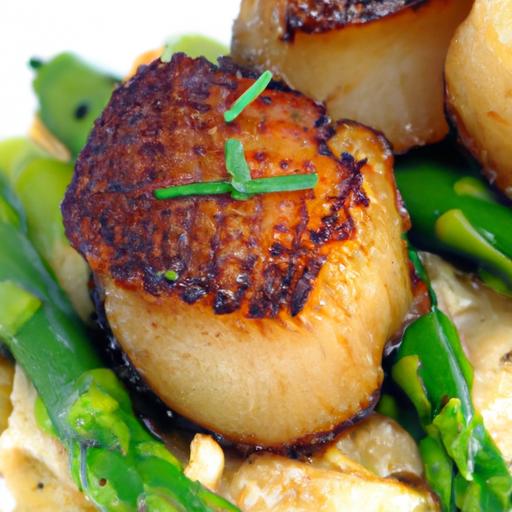

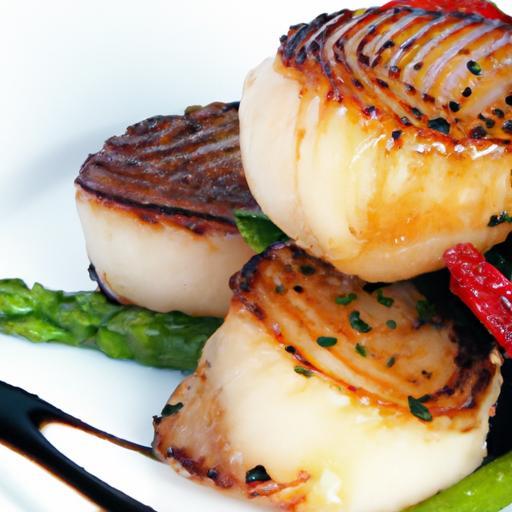
There’s something undeniably enchanting about the golden crust of a perfectly pan-seared scallop-a delicate balance of texture and flavor that transforms this humble shellfish into a culinary masterpiece. Mastering the art of pan-searing scallops unlocks a world where the natural sweetness of the sea meets a satisfying crispness,creating a dish that delights both the eye and the palate. In this article, we’ll dive into the secrets behind achieving that coveted caramelized exterior and tender, buttery interior, guiding you step-by-step to elevate your scallop game from ordinary to extraordinary.Whether you’re a seasoned chef or a passionate home cook, prepare to discover how simple techniques and thoughtful timing can turn scallops into a crisp, flavorful delight worthy of any table.
Selecting the Perfect Scallops for Ultimate Tenderness and Flavor
Mastering Pan-Seared Scallops begins with choosing the right scallops; fresh, dry-packed sea scallops are your ticket to a tender, sweet, and flavorful result. Unlike wet-packed scallops, which are treated with phosphates and water and often yield a watery texture, dry scallops are natural and will sear beautifully without steaming in the pan. Look for scallops that are creamy white to pale pink, firm to the touch, and with little to no liquid in the package-these qualities ensure the best texture and optimal flavor.
When selecting, opt for larger, “jumbo” or “colossal” scallops if your budget allows; thier size makes it easier to achieve a perfect crust while maintaining the luscious tenderness inside.If possible, purchase scallops from a trusted fishmonger or reputable market and ask for advice on the freshest catch that day. The key is minimal handling and freshness, which will be rewarded beautifully on your plate.
Preparing Scallops for Pan-Seared Perfection: Cleaning and Drying Techniques
Once your scallops are home, it’s essential to prepare them meticulously. Rinse each scallop gently under cold water to remove any residual grit or sand. Avoid soaking, as scallops are delicate and can absorb unwanted moisture, compromising texture and flavor. After rinsing, thoroughly pat each scallop dry with paper towels. This step cannot be overstated; excess moisture on the scallop’s surface prevents the Maillard reaction-the flavorful browning that gives your scallops their signature crust.
After drying, check for and remove the small side muscle, frequently enough called the “foot,” which can be tough if left on. A gentle tug or a quick cut with a paring knife will do. Ensuring this is removed guarantees a tender experience with every bite.
Mastering the Art of Heat Control and Seasoning for a Crispy Golden Crust
To capture that exquisite golden crust, preheat your skillet over medium-high heat until it is shimmering hot but not smoking. A heavy-bottomed pan, preferably cast iron or stainless steel, works best for even heat distribution. Add a high smoke-point oil such as grapeseed or avocado oil-enough to coat the pan thinly but not drown the scallops in fat.
Season the scallops liberally with flaky sea salt and freshly cracked black pepper just before searing; seasoning early draws out moisture,so add salt directly prior to cooking. Carefully place the scallops in the pan, spaced apart to prevent steaming. Resist the urge to move them around-let their natural sugars caramelize undisturbed. Sear for about 2-3 minutes on the first side until an irresistible crust forms, then gently flip and cook the other side for another 1-2 minutes. The timing depends on scallop size but aim for a firm, opaque center without overcooking.
Finishing Touches and Serving Suggestions to Elevate Your Pan-Seared Scallops
After removing the scallops from the pan, give the heat a brief downtime before adding a knob of unsalted butter, fresh minced garlic, and a squeeze of lemon juice. As the butter melts, spoon it over the scallops to imbue an extra layer of richness and brightness. Fresh herbs, especially finely chopped chives, parsley, or tarragon, sprinkled on top add an aromatic lift and a splash of colour.
Serve these pan-seared jewels over a bed of creamy cauliflower purée, vibrant herb salad, or alongside roasted baby vegetables. A drizzle of citrus-infused olive oil or a spoonful of chilled avocado crema can create contrasting textures and temperatures that wow the palate.Finish the plate with a dusting of microgreens or edible flowers for an elegant statement that highlights the scallops’ natural beauty and flavor.
Prep and Cook Time
- Prep Time: 10 minutes
- cook Time: 8 minutes
- Total Time: 18 minutes
Yield
Serves 2-3 as an elegant appetizer or 2 as a main course.
difficulty Level
Medium – Requires attention to heat control and timing but no complex techniques.
Ingredients
- 12 large dry-packed sea scallops (about 1 inch thick)
- 2 tbsp grapeseed or avocado oil
- 1 tsp flaky sea salt
- ½ tsp freshly ground black pepper
- 2 tbsp unsalted butter
- 1 garlic clove, minced
- 1 tsp fresh lemon juice
- 1 tbsp finely chopped fresh chives or parsley
Instructions
- pat scallops dry with paper towels thoroughly to remove all surface moisture.
- Remove the small side muscle by gently pulling or cutting it off; discard.
- Season both sides lightly with flaky sea salt and freshly cracked black pepper just before cooking.
- Heat a heavy skillet over medium-high heat until shimmering hot.
- Add grapeseed oil and swirl to coat the pan evenly.
- Place scallops in the pan, leaving enough space to avoid overcrowding.
- Cook undisturbed for 2 to 3 minutes until the underside is golden brown and crisp.
- Flip scallops carefully using tongs and cook an additional 1 to 2 minutes until opaque but still tender inside.
- Remove scallops from the pan and set aside on a warm plate.
- Lower heat slightly; add butter and minced garlic to the pan. Once melted and aromatic, stir in lemon juice.
- Spoon the buttery garlic sauce over the scallops before serving.
- Garnish with fresh chives or parsley for a fresh, vibrant finish.
Chef’s Notes
- Using dry-packed scallops is crucial as wet scallops contain excess water that leads to steaming rather than searing.
- Ensure your pan is adequately hot before adding scallops; the right sear relies on high heat.
- If your scallops are very thick, gently press with your spatula to ensure full contact with the pan.
- Feel free to swap the lemon juice for a splash of fresh lime juice for a different bright accent.
- Make-ahead tip: Dry scallops can be peeled and side muscle removed hours before cooking, but do not season or rinse to far ahead to avoid releasing moisture.
Serving Suggestions
For a show-stopping plate,pair your pan-seared scallops with a creamy parsnip purée or a bed of sautéed spinach tossed with toasted pine nuts. A crisp fennel and orange salad or a simple arugula salad with shaved radishes and lemon vinaigrette adds refreshing texture and bite. Garnish with microgreens or edible flowers to enhance the visual appeal and provide an herbaceous counterpoint to the rich crusted scallops.

| Nutrient | Per 3 Scallops |
|---|---|
| Calories | 180 kcal |
| Protein | 25 g |
| Carbohydrates | 2 g |
| Fat | 7 g |
For deeper insights on how to create impeccable seafood flavors, check out our Seafood Cooking Techniques guide. Also, trust industry experts at the Seafood Nutrition Partnership for lasting sourcing tips and nutritional benefits.
Q&A
Q&A: Mastering Pan-Seared Scallops – A Crisp, Flavorful Delight
Q1: What makes a perfectly pan-seared scallop?
A1: the magic lies in the balance of a golden, caramelized crust and a tender, juicy interior.Achieving this requires a hot pan, dry scallops, and quick cooking-usually just 1-2 minutes per side-so the heat seals in flavor without overcooking.
Q2: How do I prepare scallops before searing?
A2: First, pat your scallops completely dry with paper towels. Moisture on the surface steam-cooks rather than sears, preventing that coveted crispness. Remove the side muscle if it’s still attached-thay can be tough and chewy.
Q3: What type of pan is best for searing scallops?
A3: A heavy-bottomed skillet, such as stainless steel or cast iron, is ideal. These pans retain heat well and provide an even, intense sear that nonstick pans sometimes can’t match.
Q4: Should I season scallops before or after cooking?
A4: Lightly season scallops with salt and pepper just before placing them in the pan. This brings out their natural sweetness without drawing out too much moisture beforehand.
Q5: What fat is best for pan-searing scallops?
A5: Use a high smoke-point fat like clarified butter or a neutral oil such as grapeseed or avocado oil. These fats tolerate the high heat needed for a crisp crust without burning.
Q6: How can I tell when scallops are done?
A6: They’ll develop a stunning golden crust and slightly firm up but should remain translucent in the center. Overcooking turns them rubbery,so trust the quick cooking time and keep an eye on the color.Q7: Can I add flavors while searing scallops?
A7: Yes! Towards the end of cooking, toss in a knob of butter along with fresh aromatics like thyme, garlic, or lemon zest. Spoon the infused butter over the scallops to elevate their flavor with a luscious finish.
Q8: What are some creative serving ideas for pan-seared scallops?
A8: Think bright and fresh: pair scallops with citrusy vinaigrettes, creamy purees such as cauliflower or pea, or crisp salads with herbs and microgreens. Their sweet, delicate flavor harmonizes beautifully with both light and vibrant accompaniments.
Q9: How crucial is the scallop variety when cooking?
A9: Fresh sea scallops are generally preferred for their size and sweetness. Dry-packed scallops-those not treated with phosphates-yield the best sear and flavor, unlike “wet” scallops which carry excess water and struggle to caramelize.Q10: Any tips for making the cooking process easier?
A10: Prepare all ingredients and mise en place before heating the pan since searing scallops is quick. Don’t overcrowd the pan; cook in batches if necessary, allowing the pan to revive its heat between batches for that irresistible crust.
In Retrospect
In the delicate dance of heat and timing, pan-seared scallops reveal their true magic-a golden crust giving way to a tender, ocean-kissed heart. mastering this culinary art transforms a simple shellfish into a symphony of textures and flavors, elevating any meal into a memorable experience. With patience, practice, and the right technique, you’ll find that perfect sear is not just a cooking skill, but a gateway to savoring the sea’s finest treasures with every bite. So, gather your skillet, embrace the sizzle, and let each scallop become a crisp, flavorful delight on your plate.