
In the ever-evolving world of culinary innovation, tradition often serves as the most inspiring canvas. Imagine the comforting embrace of a classic Moroccan Harira broth-rich with fragrant spices, tender lentils, and slow-simmered tomatoes-merging seamlessly with the beloved familiarity of pasta. This unexpected fusion, where rustic North African heritage dances with Italian simplicity, promises a symphony of flavors both exotic and approachable. Welcome to “Twist on Tradition: Pasta Meets Moroccan Harira Broth Delight,” an exploration of how two distinct culinary worlds collide to create a harmonious dish that honors the past while inviting the adventurous palate to savor something beautifully new.
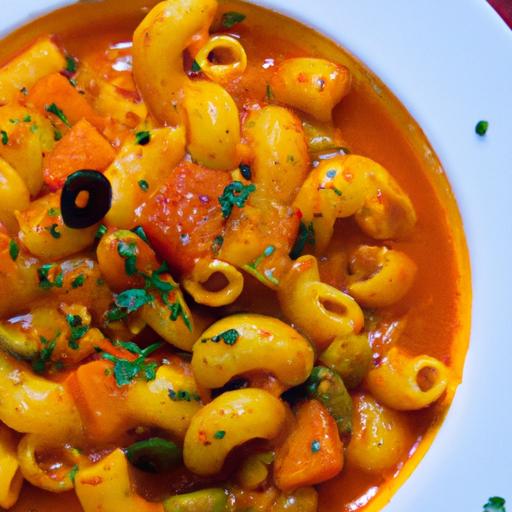
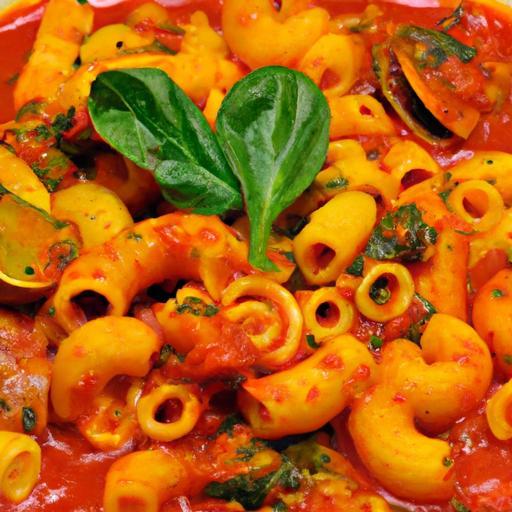
Twist on Tradition: Pasta Meets Moroccan Harira broth Delight invites you on a culinary journey where Italy’s beloved pasta intertwines with the soulful soul-warming depth of Moroccan harira broth. This dish honors the heritage of harira’s fragrant spices and lush tomato base while introducing the satisfying bite and texture of perfectly chosen pasta shapes. Its a fusion that thrills the palate, inviting cooks of all levels to explore fresh, unexpected flavors in a comforting bowl.
Prep and Cook Time
- Preparation Time: 20 minutes
- Cooking Time: 45 minutes
- Total Time: 65 minutes
Yield
Serves 4 hearty portions, ideal for sharing with family or friends.
Difficulty Level
Medium – perfect for adventurous home cooks eager to experiment with global flavors.
Ingredients
- 2 tbsp olive oil, extra virgin for depth of flavor
- 1 medium onion, finely chopped
- 2 cloves garlic, minced
- 1 tsp ground ginger
- 1 tsp ground cinnamon
- 1 tsp turmeric powder
- 1 tbsp ground cumin
- 1/2 tsp ground black pepper
- 1/4 tsp cayenne pepper (optional for gentle heat)
- 4 cups fresh tomatoes, peeled and chopped (or 1 can diced tomatoes)
- 6 cups vegetable broth, rich and homemade if possible
- 1/2 cup dried lentils, rinsed thoroughly
- 1/2 cup chickpeas, cooked or canned, drained
- 1/2 cup vermicelli or fine fusilli pasta (see note on shape choice)
- 1/4 cup fresh cilantro, chopped
- 1/4 cup fresh parsley, chopped
- 1 tbsp tomato paste, for richness
- Salt to taste
- Juice of 1 lemon, for brightness
Instructions
- Heat the olive oil in a large pot over medium heat. Add the chopped onion and sauté until translucent, about 5 minutes, stirring occasionally to prevent burning.
- Add the garlic and aromatic spices – ginger, cinnamon, turmeric, cumin, black pepper, and cayenne. Stir continuously for 1-2 minutes to release the essential oils and fragrance,creating a warmly spiced base.
- Stir in fresh tomatoes and tomato paste.Cook for 5 minutes, allowing the tomatoes to soften and meld with the spices, forming a luscious red base.
- Pour in the vegetable broth and bring the mixture to a gentle boil.Add lentils and chickpeas, reducing heat to maintain a steady simmer. Cover and cook for 30 minutes or until lentils are tender.
- Choose your pasta shape carefully: vermicelli works beautifully for a delicate touch that doesn’t overwhelm the broth; fusilli adds texture and holds onto the broth superbly. Add pasta during the last 7 minutes of cooking.
- Add the chopped cilantro and parsley about 2 minutes before removing from heat to preserve thier fresh vibrancy.
- season with salt to taste and finish with a generous squeeze of lemon juice to brighten the flavors, balancing the earthy spices perfectly.
- Ladle the broth and pasta into warm bowls. Garnish with additional fresh herbs or a sprinkle of smoked paprika for a visual and flavor boost.
Tips for Success
- Use fresh herbs at the end to maintain color and fragrance-cooking them too long diminishes their brightness.
- If you prefer a chunkier broth, pulse half the cooked tomatoes and chickpeas in a blender before adding pasta.
- For a gluten-free choice, try small rice pasta or gluten-free fusilli, adjusting cooking times accordingly.
- prepare the broth base ahead of time and refrigerate. Add the pasta and fresh herbs just before serving for optimal texture.
- Feel free to incorporate seasonal vegetables like diced carrots or zucchini for added nutrition and color.
Serving Suggestions
This fusion shines brightest when accompanied by a simple side of warm crusty bread or homemade flatbread to soak up every last drop of the fragrant broth. Consider topping each bowl with a dollop of tangy Greek yogurt or labneh for creaminess contrast. Garnish boldly with freshly chopped cilantro, parsley, or thinly sliced green olives for a Mediterranean twist. A light, fresh salad with mint and lemon dressing harmonizes beautifully on the side.
| Nutrient | Per Serving |
|---|---|
| Calories | 380 kcal |
| Protein | 18g |
| Carbohydrates | 55g |
| Fat | 8g |

For further exploration of authentic Moroccan spices and their health benefits, visit Britannica’s Moroccan cuisine guide. And dive deeper into mastering pasta techniques on our Ultimate Pasta Guide to perfect the fusion in every bowl.
Q&A
Q&A: Twist on Tradition – Pasta Meets Moroccan Harira Broth Delight
Q1: What inspired the fusion of pasta with customary Moroccan Harira broth?
A1: The inspiration comes from a desire to blend comforting, familiar textures with bold, exotic flavors. Harira, a beloved Moroccan soup known for its aromatic spices and hearty goodness, naturally complements the chewy, satisfying nature of pasta. This fusion brings a fresh, unexpected twist that celebrates culinary creativity while honoring tradition.
Q2: What makes Harira broth so unique compared to other soups?
A2: Harira is a vibrant medley of slow-simmered tomatoes, fragrant herbs like cilantro and parsley, warming spices such as cinnamon and ginger, and nutritious lentils and chickpeas. Its rich, complex profile is both soothing and stimulating, making it a staple during Ramadan and a year-round favorite in Moroccan homes.Q3: Which type of pasta works best in this dish?
A3: Small, delicate pastas like vermicelli, orzo, or even tiny shells pairs beautifully with Harira broth. Their size allows them to soak in the flavorful soup without overpowering it. These pastas maintain texture while harmonizing with the robust spices and tender legumes.
Q4: How can one balance the spices when combining pasta with the richly spiced Harira?
A4: Start with the classic Harira spice blend-cumin,turmeric,cinnamon,ginger-and adjust the quantities to suit personal taste. Remember,the pasta adds a subtle sweetness and mildness,so the broth’s spices should be vibrant but not overwhelming. Tasting as you cook ensures the perfect harmony.
Q5: Can this dish be adapted for a rapid weeknight meal?
A5: Absolutely! While traditional Harira simmers slowly for depth of flavor, a streamlined version using canned tomatoes and pre-cooked legumes can cut down the time substantially. Cook the broth first, then add pasta towards the end for a warm, nourishing dinner that feels special yet effortless.
Q6: Are there vegetarian or vegan considerations for this fusion?
A6: Harira is naturally vegan when made without meat,relying on lentils and chickpeas for heartiness. Pairing it with pasta only enhances its plant-based appeal. For extra layers of nutrition and flavor, consider adding sautéed mushrooms or roasted vegetables.
Q7: What herbs and garnishes elevate this pasta-Harira combo?
A7: Fresh cilantro and parsley bring brightness and a burst of green freshness. A squeeze of lemon juice or a dollop of cooling plain yogurt (or dairy-free alternative) adds tang and creaminess, balancing the warm spices. Toasted almonds or pine nuts introduce crunch and subtle nuttiness.
Q8: How does this dish fit into the broader landscape of global fusion cuisine?
A8: This creation exemplifies how culinary traditions can intermingle to produce something exciting and new. By marrying Mediterranean pasta with North African broth, it showcases the beauty of cross-cultural inspiration - a reminder that food is a universal language inviting endless possibilities.
To Conclude
As the comforting aroma of fragrant spices mingles with the tender embrace of pasta in this inventive fusion,it’s clear that culinary traditions are meant to evolve and inspire. This delightful twist on the classic moroccan harira broth not only honors its rich heritage but also invites a playful reimagining, proving that the crossroads of culture and creativity can lead to truly unforgettable flavors.Whether you’re a seasoned food explorer or a curious home cook, embracing this blend of textures and tastes offers a delicious reminder: sometimes, the most memorable meals start when we dare to mix the old with the new.