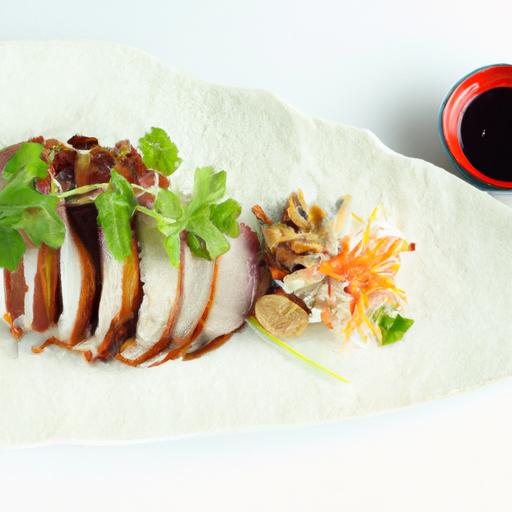

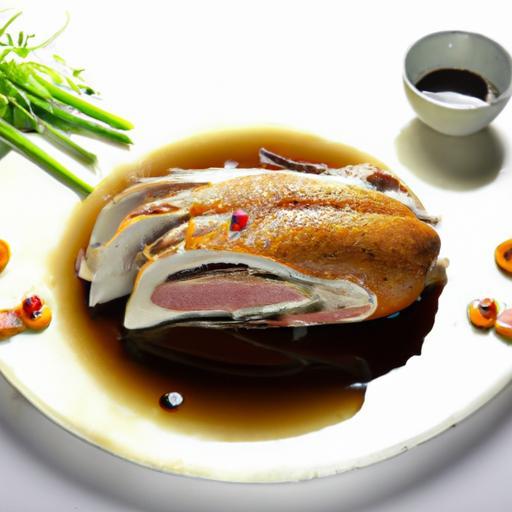
Beneath the golden crackle of its lacquered skin lies a culinary story steeped in centuries of tradition and artistry-Peking duck, the iconic dish that has captivated palates and imaginations around the world. More than just a meal, itS a crispy journey thru history, culture, and craftsmanship, where every slice tells a tale of meticulous preparation and time-honored techniques passed down through generations. In this article, we peel back the layers of Peking Duck’s rich heritage, uncovering the secrets behind its famous crispiness and exploring how this legendary dish continues to redefine the art of Chinese cuisine. Join us as we embark on a flavorful voyage that celebrates tradition, innovation, and the irresistible allure of Peking Duck.
Peking Duck Unveiled reveals one of the most iconic dishes in Chinese culinary heritage-a perfect harmony between crackling,golden skin and tender,flavorful meat. Originating during the imperial courts of the Ming dynasty, this dish has journeyed through centuries, evolving with dedication to technique and artistry. The sheer allure of expertly roasted duck wrapped in delicate pancakes with hoisin and scallions has captured the hearts and palates of food lovers worldwide. As a culinary creator,I’ve always admired how this dish narrates a story of tradition,patience,and flair with every crispy bite.
prep and Cook Time
- Preparation: 1 hour (plus 4-6 hours air-drying time)
- Cooking: 1 hour
- Total time: Approximately 6-8 hours
Yield
Serves 4 to 6 people generously
difficulty Level
Advanced – requires patience and attention to detail
Ingredients
- 1 whole duck (about 5-6 lbs), cleaned and dried
- 4 cups boiling water
- 2 tablespoons maltose syrup (or honey as a substitute)
- 1 tablespoon Chinese five-spice powder
- 1 tablespoon soy sauce
- 1 teaspoon coarse sea salt
- ½ cucumber, julienned
- 4 scallions, sliced into thin strips
- Fresh Mandarin pancakes (store-bought or homemade)
- Hoisin sauce, for serving
- 1 teaspoon rice vinegar (optional for dipping)
Instructions
- Prepare the duck: Remove any excess fat from inside the duck cavity and prick the skin gently all over with a sharp fork, avoiding piercing the meat. this allows fat to render during roasting.
- Scald the skin: Carefully pour 4 cups of boiling water over the duck to tighten the skin. Hang the duck with a hook or lay it on a rack to dry wholly for 4-6 hours,or refrigerate uncovered overnight for a crispier finish.
- Glaze the skin: Mix maltose syrup with a few tablespoons of warm water to loosen. Brush the glaze evenly over the duck’s skin, then sprinkle with sea salt and five-spice powder. Let it rest 20 minutes before roasting.
- Roast the duck: Preheat your oven to 375°F (190°C). Place the duck breast-side up on a roasting rack inside a roasting pan to catch drippings. roast for 40 minutes, then turn the oven up to 425°F (220°C) and roast an additional 20 minutes until the skin is deeply golden and crispy. Baste with drippings once during the last 20 minutes.
- Rest and carve: Remove the duck from the oven and let it rest for 15 minutes. Carve thin slices-skin first, then the meat. The contrast of crispy skin paired with tender meat is key.
- Prepare to serve: Warm the Mandarin pancakes, arrange hoisin sauce, cucumber, and scallions on a platter.
- Assemble each wrap: Slather a thin layer of hoisin sauce on a pancake, add a few slices of crispy duck skin and succulent meat, with julienned cucumber and scallions. Roll tightly and enjoy.
Tips for Success
- Dry the skin thoroughly: Pat the duck completely dry and air-dry for hours to remove moisture-this is crucial for that irresistible crackle.
- Use maltose syrup: It caramelizes wonderfully and helps develop the signature amber skin; honey can be used but results may vary.
- temperature control: Start roasting at a moderate temperature to cook the meat gently, then finish with high heat to crisp the skin-avoid opening the oven too frequently enough.
- Make your own pancakes: For a truly authentic experience, consider making Mandarin pancakes from scratch (flour, boiling water, oil) for a fresh, soft wrapper.
- Resting is essential: Let the duck rest before carving to allow juices to redistribute and keep meat moist.
- Make ahead: Ducks can be prepped and dried the day before, glaze and roast on serving day for minimal stress.
Serving Suggestions
Present the sliced duck artistically alongside warm Mandarin pancakes,a bowl of tangy hoisin sauce,and crunchy strips of cucumber and scallion. Garnish platters with fresh coriander or edible chrysanthemum petals for an elegant finishing touch. Pair with jasmine tea or a light white tea to balance the richness of the dish. For a festive feel, serve in small portions, inviting diners to build their own delicious wraps, spurring conversation and engagement around the table.
| Nutrient | Per Serving (approx.) |
|---|---|
| Calories | 450 kcal |
| Protein | 35 g |
| Carbohydrates | 18 g |
| Fat | 28 g |
For a complementary culinary adventure, discover how to make classic hoisin sauce at home-the perfect partner to your duck.
Learn more about the fascinating history of Peking Duck from the Encyclopedia Britannica.

Q&A
Q&A: Peking Duck Unveiled – A Crispy Journey through Tradition
Q1: What makes Peking Duck such an iconic dish in Chinese cuisine?
A1: peking Duck is revered for its perfectly crispy skin paired with juicy, tender meat-a culinary masterpiece that embodies centuries of Beijing’s cultural heritage. The dish is more than food; it’s a ritual that celebrates craftsmanship, patience, and tradition, making it a symbol of chinese gastronomy worldwide.
Q2: How is the signature crispy skin achieved in Peking Duck?
A2: The magic lies in precise preparation. After seasoning, the duck is air-dried to tighten the skin, frequently enough with the help of air blown between the skin and meat. Then it’s roasted at high heat in a specially designed oven. This technique renders out the fat and crisps the skin to a perfect golden brown, creating that satisfyingly crackling texture.
Q3: Are there unique ingredients or techniques that define an authentic Peking Duck?
A3: Absolutely. Key steps include glazing the duck with a maltose syrup before roasting to enhance caramelization and using a traditional wood or charcoal-fired oven to impart a subtle smoky aroma. The process is meticulous, from the duck’s breed and feeding to the careful staging of drying and roasting, all contributing to an ideal balance of flavors and texture.
Q4: How is Peking Duck traditionally served and eaten?
A4: The art of eating Peking Duck involves assembling thin slices of crispy skin and tender meat in soft wheat pancakes, accompanied by slivers of cucumber, scallions, and a spread of sweet bean sauce or hoisin sauce. Diners roll these together into bite-sized parcels, experiencing a harmony of crispiness, softness, sweetness, and freshness in every mouthful.
Q5: How has the preparation or presentation of Peking Duck evolved over time?
A5: While the classic techniques remain largely intact, modern chefs sometimes incorporate innovative cooking methods or plating styles to elevate the experience. However, tradition still holds strong, as many believe the soul of Peking Duck lies in its original roasting method and communal presentation at the table.
Q6: Why is the journey of making Peking duck considered a festivity of tradition?
A6: Crafting Peking Duck is a labor of love that preserves centuries-old culinary wisdom. Each step, from raising the duck to the final flurry of slicing and serving, honors ancestral knowledge and cultural pride. This dish invites diners not just to taste but to partake in a living narrative that links the past with the present through food.
Q7: Can Peking Duck be enjoyed in different settings beyond traditional banquets?
A7: Certainly! While frequently enough associated with grand feasts, Peking Duck’s irresistible appeal has made it a popular choice in diverse settings-from casual family dinners to elegant restaurants worldwide.Its versatility shines through whether enjoyed as a leisurely meal or celebratory indulgence, always retaining its essence of crispy delight.
Q8: What tips should a first-time Peking Duck eater keep in mind to fully appreciate the experience?
A8: Patience and curiosity go a long way. Take time to savor the contrasting textures-the crackling skin, tender meat, and fresh vegetables. Experiment with the balance of sauces and condiments to find your perfect bite.Most importantly, embrace the communal spirit of sharing this culinary treasure with others.
Key Takeaways
As the last crispy bite of Peking duck lingers on the palate,we come to appreciate more than just a dish-it’s a flavorful tapestry woven from centuries of tradition,craftsmanship,and cultural pride. This culinary marvel invites us not only to savor its perfectly lacquered skin and tender meat but also to connect with a rich heritage that continues to crackle and sizzle in kitchens and banquets alike. Whether enjoyed in a bustling Beijing eatery or recreated in home kitchens around the world, Peking duck remains a timeless emblem of culinary artistry, reminding us that every crisp, savory slice carries a story worth tasting.