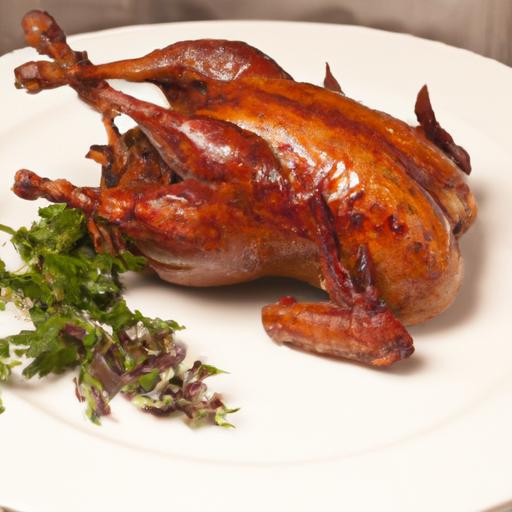

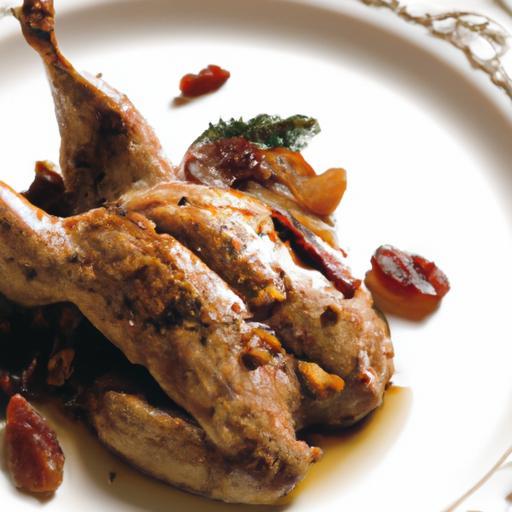
As the crisp breeze of autumn settles in and the landscape transforms into a tapestry of amber and gold, kitchens across the world begin to fill with the comforting aromas of seasonal delights. Among these, roasted pheasant with chestnut stuffing stands out as a dish that perfectly captures the essence of fall’s bounty. This timeless recipe marries the rich, gamey flavor of tender pheasant with the earthy sweetness of roasted chestnuts, weaving together a culinary experience that is both rustic and refined. Join us as we explore the art of savoring the season through this classic planning-one that invites warmth, tradition, and a touch of elegance to your holiday table.
Savor the Season: Roasted Pheasant with Chestnut Stuffing
Savor the Season: Roasted Pheasant with Chestnut Stuffing captures the essence of autumn with every bite-a celebration of rich, earthy flavors and tender, juicy meat. Drawing on customary game cooking techniques and the warmth of seasonal chestnuts, this dish promises a memorable feast that delights the senses and honors the changing leaves. Whether it’s your frist time welcoming pheasant into your kitchen or a cherished recipe passed down, mastering this classic elevates your seasonal gatherings with rustic elegance and a touch of gourmet charm.
Prep and cook Time
- Preparation: 35 minutes
- Cooking: 1 hour 25 minutes
- Total Time: 2 hours
Yield
Serves 4 generously
Difficulty Level
Medium – perfect for home cooks eager to impress with a traditional dish
Ingredients
- 1 whole pheasant (about 2 to 2.5 lbs), cleaned and patted dry
- 2 cups chestnuts, roasted, peeled, and roughly chopped
- 1 cup day-old bread cubes (preferably rustic or sourdough)
- 1 small onion, finely diced
- 1 celery stalk, finely diced
- 2 cloves garlic, minced
- ½ cup fresh parsley, chopped
- ½ cup dried cranberries or currants
- ½ cup chicken stock (preferably homemade or low-sodium)
- 2 tbsp unsalted butter
- 1 tbsp olive oil
- 1 tsp fresh thyme leaves
- ½ tsp ground sage
- Salt and freshly ground black pepper, to taste
- Optional: zest of 1 orange for a bright twist
Instructions
- Prepare the chestnut stuffing: In a medium skillet, heat the butter and olive oil over medium heat. Add the diced onion and celery, sauté until translucent and fragrant, about 5 minutes. Stir in the garlic, thyme, and sage and cook for another minute to release their aromas.
- Combine stuffing ingredients: Transfer sautéed vegetables to a large bowl. Add the roasted chestnuts,bread cubes,dried cranberries,parsley,and orange zest (if using). Pour in the chicken stock gradually, tossing gently until the mixture is moist but not soggy. season generously with salt and pepper.
- Stuff the pheasant: Carefully spoon the stuffing into the cavity of the pheasant, packing it lightly to avoid overstressing the bird’s shape.Secure the legs with kitchen twine and tuck the wings under the body for even roasting.
- Prepare the pheasant for roasting: Preheat your oven to 375°F (190°C). rub the exterior of the pheasant with olive oil, and season with salt and pepper. For extra flavor, place a few sprigs of thyme under the skin or inside the cavity.
- Roast the pheasant: Place the bird breast-side up on a rack in a roasting pan. Roast for about 1 hour 15 minutes to 1 hour 30 minutes, basting every 20 minutes with pan juices. Insert a meat thermometer into the thickest part of the thigh-when it reads 160°F (71°C), the pheasant is perfectly cooked.
- Rest and carve: Remove the pheasant from the oven and tent loosely with foil. Let it rest for 15 minutes; this step allows the juices to redistribute, ensuring every slice is tender and moist.
- Serve: Slice the pheasant and serve alongside the chestnut stuffing with your chosen sides.
Tips for Success
- Choosing your pheasant: look for firm,plump birds with fresh,pale skin and no off odors. Free-range pheasants tend to have richer flavor but may cook faster-adjust roasting time accordingly.
- Chestnuts: If fresh roasted chestnuts aren’t available, use vacuum-packed peeled chestnuts or high-quality frozen chestnuts, thawed before use.
- Make ahead: Prepare the stuffing a day before and refrigerate it, letting flavors meld beautifully overnight.
- Adjust stuffing moisture: if your bread cubes soak up to much liquid, add an extra splash of chicken broth or olive oil.
- Resting is crucial: Don’t skip it! Resting ensures a juicy pheasant; carving too soon releases precious moisture.
Serving Suggestions: Elevate your Autumn Celebration
Serve your roasted pheasant slices on a warm wooden platter, garnished with sprigs of thyme and scattered roasted chestnuts for visual impact. Accompany with vibrant sides like honey-glazed carrots, sautéed wild mushrooms, or creamy parsnip purée.For a splash of freshness, a drizzle of tart cranberry reduction over the bird adds an exquisite counterpoint.
Pair the meal with a medium-bodied red wine such as Pinot Noir or a smooth Merlot to complement the savory, slightly gamey flavor of pheasant and the sweet nuttiness of the chestnut stuffing. A crisp, off-dry Riesling also works wonderfully if you prefer white wine.

| Nutrient | per Serving |
|---|---|
| Calories | 510 kcal |
| protein | 42 g |
| Carbohydrates | 28 g |
| Fat | 22 g |
For more inspiring rustic recipes that celebrate seasonal ingredients, check out our Ultimate Guide to Game Meat Cooking. To learn more about the nutritional benefits of pheasant, visit this detailed article from the USDA Food Database.
Q&A
Q&A: Savor the Season – Roasted Pheasant with Chestnut Stuffing
Q1: what makes roasted pheasant a perfect dish for the autumn and winter seasons?
A1: Roasted pheasant embodies the essence of fall and winter with its rich, gamey flavor and tender texture. As a bird commonly hunted or farmed during cooler months, pheasant’s deep, earthy taste pairs exquisitely with seasonal ingredients like chestnuts, root vegetables, and warming herbs-making it a heartwarming centerpiece for festive gatherings.
Q2: Why choose chestnut stuffing to accompany pheasant?
A2: chestnuts are a seasonal gem that bring a subtle sweetness and creamy texture to stuffing. Their rich, nutty flavor complements the lean, slightly gamey meat of pheasant perfectly. When combined with aromatics like sage,thyme,and onions,chestnut stuffing elevates the dish,adding layers of warmth and tradition that celebrate the harvest season.
Q3: How do you prepare the pheasant to ensure it stays moist and flavorful?
A3: The key lies in careful roasting and basting.Before roasting, the pheasant is often brined or rubbed with a herb butter to infuse moisture and flavor. Cooking it slowly at a moderate temperature allows the meat to stay juicy without drying out. Basting periodically with pan drippings or a rich stock helps maintain tenderness and adds a glossy finish to the skin.
Q4: What sides and beverages pair well with roasted pheasant and chestnut stuffing?
A4: Classic sides like roasted root vegetables, braised red cabbage, or a crisp green salad provide balance and texture. For beverages, a robust red wine such as Pinot Noir or a rich Chardonnay complements the dish’s complexity. For a non-alcoholic option, spiced apple cider enhances the autumnal flavors beautifully.
Q5: Can this dish be adapted for those who are less familiar with game meats?
A5: Absolutely! While pheasant has a distinctive flavor, its preparation mirrors that of chicken or turkey, making it approachable for newcomers. Using familiar seasonings and pairing it with comforting sides can ease diners into enjoying game meat. Plus, the chestnut stuffing adds a familiar, cozy note that bridges the taste for all palates.
Q6: What is the cultural importance of serving pheasant with chestnut stuffing during festive occasions?
A6: Historically, pheasant and chestnuts have been prized during harvest celebrations and winter feasts across Europe. serving them together is a nod to centuries-old traditions where communities gathered to honor the land’s bounty. this dish not only satisfies hunger but also connects diners to a shared heritage of gratitude and seasonal celebration.
Q7: Any tips for sourcing quality pheasant and chestnuts?
A7: For the freshest pheasant, seek out local game farms or specialty butchers, especially in the autumn and early winter months. Whenever possible,opt for free-range or sustainably raised birds for superior taste and ethics.Chestnuts should be firm and heavy with a glossy shell; roast or boil them fresh for the best flavor in your stuffing.
Q8: How can home cooks add their own creative twist to this classic recipe?
A8: Experiment with additional ingredients in the stuffing such as dried cranberries for a tart pop, sausage for extra richness, or fresh herbs like rosemary for an aromatic punch. You can also glaze the pheasant with a honey-mustard mixture for a sweet-savory crust or incorporate a splash of brandy or sherry into the pan drippings to deepen the sauce’s complexity.
Embrace the season’s abundance with this elegant dish that brings rustic charm and festive warmth to your table-roasted pheasant with chestnut stuffing, a true celebration of autumn’s flavors.
The Way Forward
as the aroma of roasted pheasant mingles with the warm, nutty notes of chestnut stuffing, this dish becomes more than just a meal-it’s a celebration of seasonal bounty and timeless tradition. Whether shared around a festive table or savored in quiet moments, “Savor the Season: Roasted Pheasant with Chestnut Stuffing” invites you to embrace the rich flavors that autumn and winter so generously offer. so next time the air turns crisp and your palate craves something both comforting and elegant,let this recipe be your guide to a memorable feast that honors the season’s finest gifts.