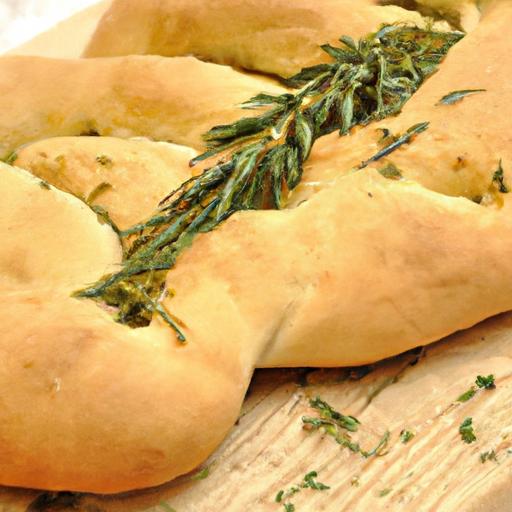

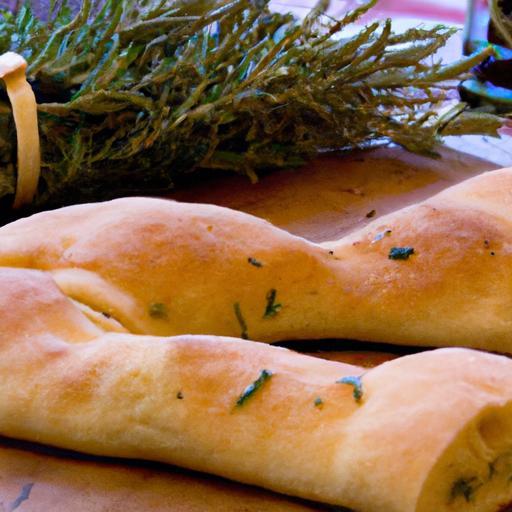
There’s something undeniably enchanting about the rustic charm of a freshly baked fougasse, its golden crust crackling delicately under your fingertips, releasing an intoxicating aroma that instantly transports you to sun-drenched Provençal landscapes. “rustic Fougasse Delight: Aromatic Herbs de Provence Bread” invites you on a sensory journey where tradition meets tantalizing flavors. This artisanal bread, infused with the fragrant medley of thyme, rosemary, lavender, and savory, captures the essence of southern France in every tender crumb. Whether shared at a leisurely picnic or presented as a centerpiece at your table, this herb-kissed fougasse is more than just bread-it’s an edible celebration of rustic elegance and timeless culinary artistry.
Rustic Fougasse Delight: Aromatic Herbs de Provence Bread is a captivating journey into the heart of Provençal baking,where simple ingredients transform into a fluffy,fragrant masterpiece. This inviting bread combines the rustic charm of conventional French fougasse with the earthy, floral warmth of Herbs de Provence, filling your kitchen with irresistible aromas while offering a tender crumb and a delightfully crisp crust.
Prep and Cook Time
- Prep Time: 25 minutes (plus 1.5-2 hours rising time)
- Cook Time: 20-25 minutes
- Total Time: Approximately 2 hours
Yield
Serves 6-8 slices
Difficulty Level
Medium - Perfect for bakers with some bread-making experience looking to deepen their skills.
Ingredients
- 3 cups all-purpose flour, sifted
- 1 1/4 cups lukewarm water (about 100°F/38°C)
- 2 teaspoons active dry yeast
- 1 1/2 teaspoons fine sea salt
- 2 tablespoons extra virgin olive oil, plus extra for brushing
- 2 teaspoons Herbs de Provence (dried blend of thyme, rosemary, oregano, basil, and lavender)
- 1 teaspoon fine semolina flour (for dusting)
Instructions
- Activate the yeast: In a small bowl, combine lukewarm water and active dry yeast. Stir gently and let sit for 5-7 minutes until frothy, indicating the yeast is alive.
- Prepare the dough: In a large mixing bowl, whisk together flour, salt, and Herbs de Provence. Create a well in the center and pour in the yeast mixture and olive oil.
- Mix and knead: Using a wooden spoon or your hands, incorporate the flour gradually until a shaggy dough forms. Transfer to a floured surface and knead for 8-10 minutes until smooth and elastic. Tip: The dough should be slightly sticky but manageable; add a tablespoon of flour if overly wet.
- Frist rise: Lightly oil a clean bowl and place the dough inside, turning to coat. Cover with a damp towel or plastic wrap. Let it rise in a warm, draft-free spot for 1.5 hours or until doubled in size.
- Shape the fougasse: Gently punch down the dough to release air. Transfer it to a semolina-dusted baking peel or parchment-lined baking sheet. Pat into an oval approximately 12 inches long and 1/2 inch thick.
- create the signature leaf pattern: Using kitchen scissors or a sharp knife, make 5-7 diagonal cuts evenly spaced down the bread’s center without cutting all the way through. Gently stretch the dough between the cuts to create the classic openwork design, being careful not to tear through too thinly.
- final proof: Cover lightly and let the shaped dough rest for 30 minutes to puff slightly.
- Preheat oven and bake: Preheat your oven to 450°F (230°C) with a baking stone or inverted sheet in place. before baking, brush the fougasse generously with olive oil to encourage a golden crust.
- Bake: Slide the dough onto the hot stone or baking tray. Bake for 20-25 minutes, rotating halfway for even crispness, until the crust is deep golden brown and the bread sounds hollow when tapped.
- Cool and serve: Transfer to a wire rack, allowing it to cool slightly before slicing. This rest improves texture and flavor advancement.
Tips for Success
- Flour variations: Blend 1 cup bread flour with all-purpose for a chewier texture.
- Hydration notes: Adjust water slightly if your flour absorbs more or less; dough should stay tacky but not overly sticky.
- Herbs de Provence: Use a fresh blend for the best aroma. Lavender is optional but adds a distinctive floral lift.
- Making ahead: Prepare the dough up to the first rise, refrigerate overnight, and shape fresh the next day for richer flavor.
- Leaf pattern: Use scissors to snip diffidently-this technique is forgiving and creates charmfully rustic shapes.
Serving Suggestions
This Rustic Fougasse delight with Herbs de Provence is a sublime companion to Mediterranean dishes, soups, or as a centerpiece on its own. Serve with:
- Extra virgin olive oil infused with crushed garlic and chili flakes for dipping.
- Soft goat cheese or herbed cream cheese for spreading.
- A colorful salad of roasted cherry tomatoes, fresh basil, and a drizzle of balsamic reduction.
- A bowl of warm lentil soup or ratatouille for a comforting meal pairing.
Garnish your plate with fresh sprigs of thyme or rosemary to echo the bread’s aromatic theme and enhance the rustic charm.
Nutritional Data
| Nutrient | Per Serving (1 slice) |
|---|---|
| Calories | 170 |
| Protein | 5g |
| Carbohydrates | 30g |
| Fat | 4.5g |

For those eager to explore further,discover more creative bread recipes on our Artisan Bread Recipes page. To learn about the fascinating history and benefits of Herbs de Provence, visit Britannica’s Herbs de Provence overview.
Q&A
Q&A: Rustic Fougasse Delight – Aromatic Herbs de Provence Bread
Q1: What makes fougasse different from other breads?
A1: Fougasse is a traditional French bread known for its distinctive leaf-like shape and open crumb structure. Unlike denser loaves, fougasse boasts a light, airy texture with crisp, caramelized edges that invite both the eye and the palate to enjoy its rustic charm.
Q2: How do Herbs de Provence enhance the flavor of fougasse?
A2: Herbs de Provence-a fragrant blend typically including thyme, rosemary, savory, and lavender-infuse the bread with an earthy, aromatic profile. When baked into fougasse, these herbs release their essential oils, creating a beautifully herby undertone that complements the bread’s natural nuttiness.
Q3: Can fougasse be enjoyed on its own,or is it best paired with something?
A3: Fougasse shines both on its own and as a companion to various dishes. Its crispy crust and herbaceous aroma make it a delightful snack, perfect for dipping in olive oil or spreading with a luscious herbed butter. It also pairs wonderfully with fresh vegetables, cheeses, and heartwarming soups.
Q4: What are some tips for achieving the perfect fougasse texture?
A4: Achieving that signature open crumb requires a well-hydrated dough and gentle handling. Allowing the dough to rise slowly enhances flavor and gluten development. When shaping, the dough should be stretched without tearing to maintain air pockets, and a hot oven ensures a crisp, golden crust.
Q5: Is it possible to make fougasse without yeast?
A5: Traditional fougasse relies on yeast for its airy rise,but creative bakers can experiment with sourdough starters or natural fermentations to develop complexity and lift. However, omitting yeast entirely will yield a denser bread, so adjustments to hydration and fermentation time are essential.
Q6: How should fougasse be stored to maintain freshness?
A6: To preserve fougasse’s crisp crust, store it at room temperature in a paper bag or wrapped loosely in a clean kitchen towel. Avoid airtight containers that trap moisture and soften the crust. For longer storage, it’s best to freeze slices and toast them gently to revive their crunch.
Q7: Can you customize the herbs and additions in fougasse?
A7: Absolutely! While Herbs de Provence provide classic French flair, fougasse welcomes inventive twists-think sun-dried tomatoes, olives, caramelized onions, or a sprinkle of coarse sea salt.The key is balancing flavors that complement, rather than overpower, the bread’s tender crumb.
Q8: What occasions are perfect for serving rustic fougasse?
A8: With its inviting aroma and eye-catching shape, fougasse is ideal for gatherings, celebrations, or cozy family dinners. It can elevate a simple meal into something memorable, serving as the centerpiece of a bread basket or alongside a vibrant spread of mediterranean-inspired dishes.
This Q&A format balances creativity and information, inviting readers to appreciate and experiment with the rustic, herb-infused delight of fougasse bread.
future Outlook
As the golden crust of your Rustic Fougasse Delight crackles softly under a knife’s gentle touch, the fragrant embrace of Herbs de Provence lingers in the air-an invitation to savor tradition baked into every bite. This aromatic bread is more than a simple accompaniment; it’s a journey to sun-drenched fields of lavender and thyme, an edible ode to rustic French charm. Whether served alongside hearty stews or enjoyed as a fragrant snack dipped in olive oil, the Fougasse brings warmth and a touch of Provençal magic to your table. Embrace this timeless recipe, and let each slice tell a story of fragrant herbs, artisanal craftsmanship, and the simple joy of homemade bread.