
There’s a remarkable alchemy that unfolds when tender, marbled beef meets the slow, whispering embrace of time and smoke. Unlocking the full flavor potential of smoked beef tenderloin is both an art and a science-a journey that transforms an already prized cut into a symphony of deep, savory complexity. In this article, we’ll dive into the techniques, tips, and trade secrets that elevate smoked beef tenderloin from simple roast to culinary masterpiece, revealing how mastering this craft can unlock layers of flavor that delight the palate and captivate the senses.Whether you’re a seasoned pitmaster or an adventurous home cook, prepare to embark on a smoky voyage where patience, precision, and passion converge to redefine what beef can truly taste like.
Understanding the Science Behind Smoking Beef Tenderloin
Unlocking flavor: The Art of Smoked Beef Tenderloin Mastery begins with appreciating the delicate science that transforms this already tender cut into a symphony of smoky richness and melt-in-your-mouth texture. The magic lies in how slow smoking gently breaks down collagen without drying out the meat, preserving its natural juices. When wood smoke interacts with the beef’s surface,it deposits flavorful phenols and resinous compounds that enhance aroma and deepen color,creating that coveted smoky crust known as the “bark.” Equally crucial is the Maillard reaction-the caramelization of proteins and sugars-that forms during smoking and searing, adding complexity in every bite.
Selecting the Perfect Wood and Seasoning Combinations
Choosing the right wood and seasoning is where your smoky canvas is painted. For beef tenderloin, woods such as oak, hickory, and pecan balance boldness and sweetness without overpowering the beef’s subtle flavor. For a gentler aroma,fruit woods like apple or cherry offer a delicate,slightly sweet smoke that complements the tenderloin’s buttery texture. Seasoning is equally critical-think robust but not overwhelming. A simple combination of kosher salt, cracked black pepper, garlic powder, and rosemary unlocks earthy, savory notes. For adventurous flair, add smoked paprika or ground coriander to elevate the profile with warmth and a whisper of spice.
Mastering Temperature Control for Tender Juiciness
Maintaining consistent low temperature is the cornerstone of smoked beef tenderloin mastery. Targeting a smoking range between 225°F and 250°F (107°C-121°C) allows gentle cooking that breaks down fibers slowly while locking in moisture. use a reliable probe thermometer inserted into the thickest part of the tenderloin to monitor internal temperature-aim for 125°F (52°C) for medium-rare, ensuring that first blush of pink with unyielding juiciness. Avoid rushing the process; smoking low and slow produces a tenderloin that is succulent and evenly cooked. For the perfect finishing touch, consider a speedy sear over high heat after smoking to deepen color and texture with caramelized crust.
Resting and Serving Techniques to elevate Flavor Experience
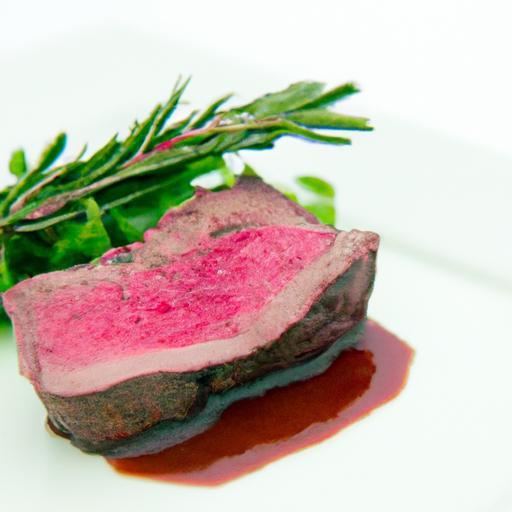
Resting the smoked beef tenderloin is essential to capturing all the bold flavors unlocked during cooking. Once the target temperature is reached, tent the meat loosely with foil and let it rest for 15 to 20 minutes. This pause allows juices to redistribute evenly through the muscle fibers rather than spilling out at the first slice. When serving, slice against the grain to maximize tenderness. Enhance presentation with fresh herbs like thyme or rosemary sprigs and a scattering of flaky sea salt for texture contrast. Pair with velvety mashed potatoes or a seasonal vegetable medley for a dish that delights both the eye and palate.
Prep and Cook Time
- Preparation: 20 minutes
- Smoking: 1.5 to 2 hours
- Resting: 15-20 minutes
- Total Time: Approximately 2.5 hours
Yield
serves 6 to 8 elegantly portioned slices, perfect for an intimate dinner or special occasion.
Difficulty Level
Medium – Requires attention to temperature control and timing, but rewarding for intermediate cooks eager to master smoked meats.
Ingredients
- 1 whole beef tenderloin (about 3-4 lbs), trimmed
- 2 tbsp kosher salt
- 1 tbsp cracked black pepper
- 1 tsp garlic powder
- 1 tsp dried rosemary, crushed
- 1 tsp smoked paprika (optional)
- 2 tbsp olive oil
- Wood chunks: oak, hickory, or applewood (about 2 cups)
Instructions
- Prepare the tenderloin: Pat the beef dry with paper towels. Rub olive oil evenly over the surface to help seasonings adhere.
- Season generously: Combine kosher salt, cracked black pepper, garlic powder, rosemary, and smoked paprika in a bowl. Coat the tenderloin thoroughly with the spice blend, pressing gently so it sticks.
- Preheat smoker: Set your smoker to maintain a steady temperature of 225°F (107°C). Add your chosen wood chunks to the firebox or smoker box per manufacturer’s instructions to create clean, fragrant smoke.
- Smoke the beef: Place the tenderloin directly on the smoker rack. Insert a digital probe thermometer into the thickest part. Smoke until the internal temperature reaches 125°F (52°C) for medium-rare, approximately 1.5 to 2 hours depending on thickness.
- Sear for crust: Remove tenderloin and heat a cast-iron skillet or grill over high heat. Sear all sides for 1-2 minutes each to deepen color and flavor. this step can be skipped if avoiding additional fat or heat exposure.
- Rest the meat: tent the tenderloin with foil and rest for 15-20 minutes, allowing juices to redistribute for moist, tender meat.
- Slice and serve: Cut against the grain into ½-inch thick slices. Garnish with fresh rosemary sprigs and flaky sea salt. Serve with creamy mashed potatoes, roasted vegetables, or your favorite sides.
Tips for Success
- Consistent Temperature: Use a dual-probe smoker thermometer to keep smoker temp steady and monitor meat’s internal temp simultaneously.
- Wood selection: Experiment with blending woods-try equal parts oak and applewood for a balanced smoke profile.
- Rest is Key: Resist the urge to slice immediately; resting heightens juiciness dramatically.
- Make Ahead: Smoke the tenderloin fully, then cool in fridge. Reheat gently in a low oven, covered, before slicing for easy entertaining.
- Option Seasonings: Mix herbs like thyme and sage for a more aromatic rub.
Serving Suggestions
The smoky richness of this beef tenderloin shines alongside earthy mashed potatoes drizzled with browned butter and sautéed garlic. A crisp green salad with a lemon vinaigrette balances the meal with brightness. For a finishing touch, sprinkle freshly ground black pepper and a few flakes of Maldon sea salt over the slices just before serving. Garnish with vibrant rosemary or thyme sprigs to add color and aroma. A side of roasted root vegetables or grilled asparagus complements this centerpiece perfectly.
| Nutrient | Per Serving |
|---|---|
| Calories | 320 kcal |
| protein | 40 g |
| Carbohydrates | 2 g |
| Fat | 15 g |
Explore our detailed wood smoking guide for pairing tips. For more on meat science, visit the USDA Food Safety and Inspection Service.

Q&A
Q&A: Unlocking Flavor: The Art of Smoked Beef Tenderloin mastery
Q1: What makes smoked beef tenderloin such a coveted cut for smoking enthusiasts?
A1: Beef tenderloin is prized for its extraordinary tenderness and subtle, buttery flavor. When smoked properly, it transforms into a symphony of juicy, smoky goodness that elevates the naturally rich texture without overpowering it. The key is enhancing its delicate character through gentle, aromatic smoke rather than masking it.
Q2: How does smoking affect the texture of beef tenderloin compared to traditional roasting?
A2: Smoking at low temperatures allows the beef tenderloin to cook evenly and slowly,breaking down connective tissues gently while preserving moisture. This results in a tender, melt-in-your-mouth bite that retains a smoky crust, unlike roasting which often focuses on a seared crust and can risk overcooking the interior if not managed carefully.
Q3: What wood types are ideal for smoking beef tenderloin, and why?
A3: Mild, aromatic woods like oak, hickory, cherry, or pecan complement beef tenderloin beautifully. These woods impart nuanced smoky flavors without overwhelming the natural beef essence. Fruitwoods like cherry add a subtle sweetness and a richly colored crust, while oak and hickory build deeper, robust notes that balance tenderness with complexity.
Q4: how significant is the temperature control during smoking, and what range should one aim for?
A4: Temperature control is paramount in smoked beef tenderloin mastery. Aim for a steady low-and-slow range,typically between 225°F and 275°F (107°C to 135°C). This range ensures the muscle fibers relax and render fat properly, while smoke infuses the meat gradually, preserving juiciness and unlocking profound flavor layers.
Q5: What techniques do pitmasters use to maximize smoke penetration without drying out the tenderloin?
A5: the art lies in balancing smoke flow and moisture retention.Many pitmasters use a water pan in the smoker to maintain humidity, preventing the tenderloin from drying. They also opt for intermittent smoking or “smoke bursts” – exposing the meat to smoke for limited periods rather than continuous hours. Wrapping the tenderloin in foil (the “Texas Crutch”) during the latter stages can seal in juices while finishing the cook.
Q6: Is seasoning different when smoking beef tenderloin compared to other methods?
A6: Seasoning smoked beef tenderloin favors simplicity to let the smoke and beef shine. A coarse salt and freshly cracked black pepper rub is a classic base. Additional elements like garlic powder, smoked paprika, or dried herbs can deepen the profile but should be used sparingly. The goal is to enhance-not overshadow-the smoky, tender nature of the meat.
Q7: how do you know when the smoked beef tenderloin is perfectly done?
A7: relying on internal temperature is crucial.For a medium-rare finish, pull the tenderloin at about 130°F to 135°F (54°C to 57°C) and allow it to rest-it will rise a few degrees as it rests. Visual cues like a crusty bark and vibrant smoke ring can indicate prosperous smoke infusion, but tenderness and juiciness remain the truest markers of mastery.Q8: Can smoked beef tenderloin be prepared ahead of time and still retain its quality?
A8: Absolutely. Smoked beef tenderloin can be smoked a few hours in advance,then gently reheated or served at room temperature for optimal flavor.Wrapping it loosely in foil or butcher paper helps retain moisture. Preparing ahead also allows flavors to meld, deepening the smoky aroma and enriching each bite.
Q9: What sides or accompaniments best complement the smoky richness of beef tenderloin?
A9: robust, yet balanced sides work wonders alongside smoked beef tenderloin. think charred seasonal vegetables, creamy horseradish sauce, garlic mashed potatoes, or a luminous chimichurri. These provide contrast-either through freshness, acidity, or creaminess-that accentuates the tenderloin’s smoky depth without competing for attention.
Q10: What is the single most important tip for someone attempting smoked beef tenderloin for the first time?
A10: Patience is your best friend. Rushing the smoke process or cranking the temperature will steal from the delicate nature of the tenderloin and waste the opportunity to develop profound, layered flavors. Embrace the slow, low heat and gentle smoke infusion-you’re unlocking a culinary treasure with every hour.
The Conclusion
As the final wisps of smoky aroma curl into the air, mastering the art of smoked beef tenderloin reveals itself not just as a cooking technique, but as a sensory journey-a delicate balance of patience, precision, and passion.By unlocking these flavors, you transform a simple cut of meat into a masterpiece that tells a story with every bite. Whether you’re a seasoned pitmaster or an adventurous home cook,embracing the subtleties of smoke and fire invites you to elevate your culinary craft and savor the profound satisfaction that comes with perfected smoked beef tenderloin. The grill is waiting-are you ready to ignite your flavor mastery?