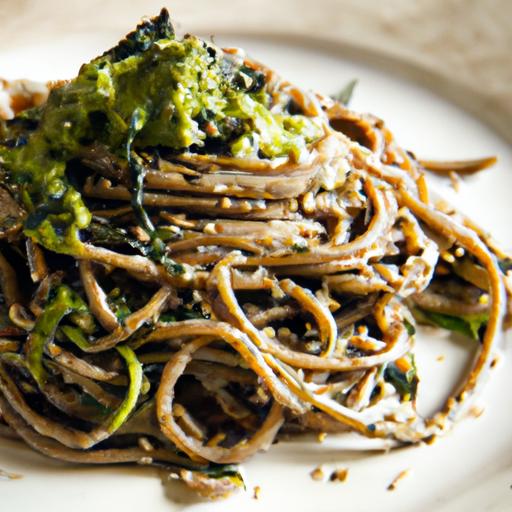

In a world where culinary boundaries continue to blur, the marriage of traditional Japanese soba noodles with vibrant Italian pesto sauce offers a refreshing twist that excites the palate and celebrates global flavors. This fusion dish, “Soba Noodles with Pesto,” brings together the nutty, earthy essence of buckwheat noodles and the luminous, herbaceous punch of basil pesto, creating a harmonious blend that is both wholesome and invigorating. Whether you’re seeking a light lunch or a satisfying dinner, this inventive pairing invites you to explore how simple ingredients from different cultures can come together to create something deliciously new and unexpectedly delightful.
Exploring the Origins and Unique Qualities of Soba Noodles
Soba noodles with pesto present an exciting crossroads between Japanese tradition and Italian vibrancy, a fusion that delights the palate and invigorates the senses. Originating in Japan, soba noodles are crafted from buckwheat flour, offering a nutty aroma and a hearty texture unlike any wheat-based pasta. This ancient staple has been savored across centuries for its earthy flavor and healthful qualities, as buckwheat is gluten-free and packed with nutrients like manganese and dietary fiber. Their subtle, slightly chewy bite makes soba noodles a perfect partner for a herbaceous, creamy pesto that bursts with fresh basil and pine nuts.
By combining soba noodles with pesto, you achieve a refreshing meal that marries the mild, wholesome notes of buckwheat with the bright, savory punch of traditional Italian pesto. This dish is both comforting and revitalizing – ideal for warm days or anytime you crave a light yet satisfying bowl.
Prep and Cook time
- Preparation: 15 minutes
- Cooking: 10 minutes
- Total Time: 25 minutes
Yield
Serves 4 generous portions
Difficulty Level
Easy – perfect for cooks looking to experiment with fusion dishes without fuss.
Ingredients
- 200g soba noodles (100% buckwheat, if available for authentic flavor)
- 2 cups fresh basil leaves, packed
- 1/3 cup pine nuts, toasted
- 2 cloves garlic, peeled
- 1/2 cup extra-virgin olive oil
- 1/3 cup freshly grated Parmesan cheese (or vegetarian hard cheese option)
- Juice of 1/2 lemon
- Salt and freshly ground black pepper, to taste
- 1 tablespoon toasted sesame seeds (optional, to accentuate the Asian-Italian fusion)
- Cherry tomatoes, halved (for garnish)
- Fresh microgreens or baby arugula (optional garnish)
Instructions
- Cook the soba noodles: Bring a large pot of salted water to a boil. Add the soba noodles and cook according to package instructions, usually 4-6 minutes, until al dente. Avoid overcooking to maintain chewing texture.
- Drain and rinse: Drain the noodles in a colander and immediately rinse under cold water to stop cooking and remove excess starch. This also cools the noodles, setting them up perfectly for a refreshing pesto toss. Set aside.
- Prepare the pesto: In a food processor, combine the fresh basil leaves, toasted pine nuts, garlic cloves, and Parmesan cheese. Pulse until coarsely blended.
- Blend with olive oil: With the processor running, slowly drizzle in the olive oil until the mixture turns into a creamy, vibrant green sauce. Add lemon juice and season generously with salt and freshly ground black pepper. Pulse once or twice to incorporate.
- Combine noodles and pesto: transfer the rinsed soba noodles to a large mixing bowl. Add the pesto and toss gently but thoroughly, ensuring every strand is coated with the flavorful sauce.
- Garnish creatively: Plate the noodles and sprinkle with toasted sesame seeds, halved cherry tomatoes, and fresh microgreens or baby arugula. These fresh garnishes add pops of color, texture, and brightness to the dish.
- Serve immediately: Enjoy this delicate fusion meal chilled or at room temperature for the ultimate refreshing experience.
Chef’s Notes: Tips for Success
- Use 100% buckwheat soba noodles when possible for maximum earthiness and gluten-free benefits; some blends contain wheat which alters texture and flavor slightly.
- Toast pine nuts gently in a dry skillet over low heat until golden and fragrant, about 2 minutes, to deepen the pesto’s flavor profile.
- If you prefer a lighter pesto, reduce the olive oil slightly and substitute part of it with water or vegetable broth for easier coating.
- Make ahead: Prepare the pesto up to 24 hours before serving and store in an airtight container tightly covered with plastic wrap to prevent oxidation.
- For a vegan variant, replace parmesan cheese with nutritional yeast or vegan cheese alternatives that add umami.
- If the pesto becomes too thick, thin it out with a teaspoon or two of warm pasta cooking water to achieve the perfect consistency for coating.
- To keep soba noodles from sticking after cooking, tossing with a little toasted sesame oil helps maintain silkiness and adds a subtle depth.
Serving Suggestions
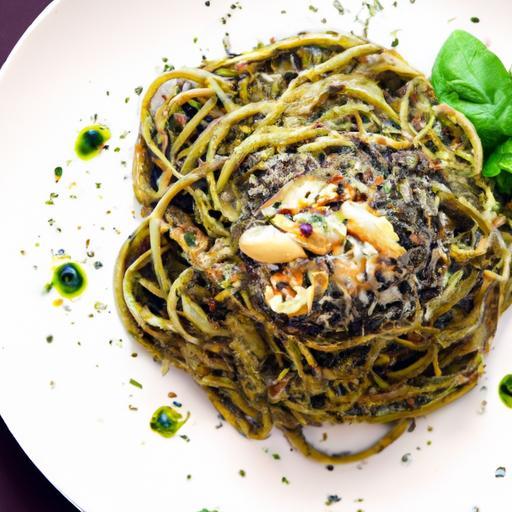
Presented in a shallow bowl or wide plate, the sobanoodles with pesto come alive visually with vibrant green pesto contrasted by red cherry tomatoes and the glossy sheen of olive oil.Pair with a crisp cucumber salad or steamed edamame to emphasize the Japanese inspiration. Drizzle a touch of toasted sesame oil or sprinkle chopped scallions for an extra layer of flavor complexity. If desired,add a wedge of lemon to brighten the dish even further at the table.
this dish pairs beautifully with chilled sake or a sparkling citrus-infused water for a light and refreshing dining experience.

| Nutritional Info | Per Serving |
|---|---|
| Calories | 410 kcal |
| protein | 13 g |
| Carbohydrates | 42 g |
| Fat | 18 g |
For more ideas on creative pasta dishes that blend cultures seamlessly, explore our Italian-Asian fusion recipes. To learn more about the health benefits and culinary versatility of buckwheat, visit Healthline’s comprehensive guide.
Q&A
Q&A: Soba Noodles with Pesto – A Fusion of Fresh Flavors
Q1: What makes soba noodles a grate base for pesto?
A1: Soba noodles, made from buckwheat, bring a unique earthy, nutty flavor that beautifully complements the vibrant, herbaceous notes of pesto. Their slightly chewy texture adds a satisfying bite, creating an exciting contrast to the smooth, oily sauce.
Q2: How does combining soba noodles with traditional pesto change the dish?
A2: Traditional pesto, often made from basil, pine nuts, garlic, Parmesan, and olive oil, usually pairs with Italian pasta. When mixed with soba noodles, this fusion offers a delightful blend of Japanese and Italian culinary influences. The buckwheat’s subtle earthiness balances the rich, aromatic pesto, creating a harmonious and refreshing dish.
Q3: Can the pesto be customized to complement soba noodles better?
A3: Absolutely! while classic basil pesto is fantastic, consider incorporating Asian-inspired ingredients-like sesame seeds instead of pine nuts, a hint of lime zest, or even fresh cilantro-to amplify the umami and brightness. A touch of soy sauce or miso paste can also deepen complexity without overpowering the freshness.
Q4: What are some suggested toppings or mix-ins to enhance the flavors and texture?
A4: Crisp vegetables like julienned cucumber, shredded carrots, or snap peas add crunch and freshness. Toasted sesame seeds or crushed peanuts introduce an extra nutty dimension. For a burst of acidity, a squeeze of lemon or a few cherry tomatoes work wonders. Fresh herbs such as mint or Thai basil can amplify the vibrant flavor profile.
Q5: Is this dish typically served hot or cold?
A5: Soba noodles with pesto can shine both ways! served warm, it’s a comforting yet light meal perfect for cooler days.Chilled, it transforms into a refreshing, nourishing salad ideal for warmer weather or as a make-ahead lunch. The pesto clings nicely to both warm and cold noodles, making it versatile and easy to adapt.
Q6: What dietary benefits does a soba noodle and pesto dish offer?
A6: This fusion is both delicious and nutritious. Buckwheat is gluten-free and rich in protein, fiber, and essential minerals like magnesium and manganese. The pesto brings heart-healthy fats from olive oil and nuts, alongside antioxidants from fresh herbs. Together, they create a balanced dish full of clean energy and vibrant flavors.Q7: How easy is it to prepare soba noodles with pesto for a weeknight dinner?
A7: Very! Soba noodles cook quickly-typically in just a few minutes. The pesto can be made ahead or purchased ready-made,cutting down prep time drastically. Toss cooked noodles with pesto, add your favorite toppings, and dinner is on the table in under 20 minutes, making it a perfect fusion recipe for busy nights.
Q8: Can soba noodle pesto be adapted for vegan eaters?
A8: Yes! Simply substitute traditional parmesan cheese in the pesto with nutritional yeast or a vegan cheese alternative. Ensure the noodles do not contain egg (most soba noodles are egg-free). This keeps the dish vibrant, plant-based, and inclusive without sacrificing flavor.
This Q&A brings insight and inspiration for anyone looking to explore the joyful marriage of Japanese soba noodles and Italian pesto-an adventurous yet approachable way to celebrate fresh, global flavors on your plate.
To Wrap It Up
In the dance of flavors where East meets West, soba Noodles with Pesto create a vibrant culinary harmony that’s both comforting and refreshingly new. This fusion dish not only celebrates the nutty earthiness of buckwheat noodles but also elevates them with the bright, herbaceous punch of classic pesto. Whether you’re seeking a quick weeknight meal or a creative way to impress guests, this blend of traditions invites you to explore the endless possibilities that happen when fresh ingredients and inspired ideas come together.So next time you’re craving something that’s familiar yet adventurous, let your palate journey with this delightful fusion-and savor every bite of flavor’s most unexpected friendship.