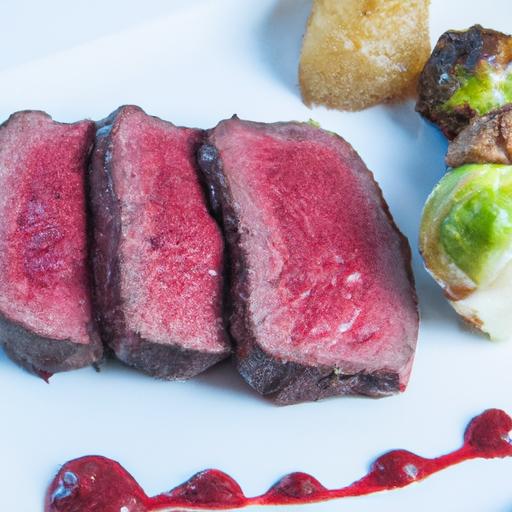

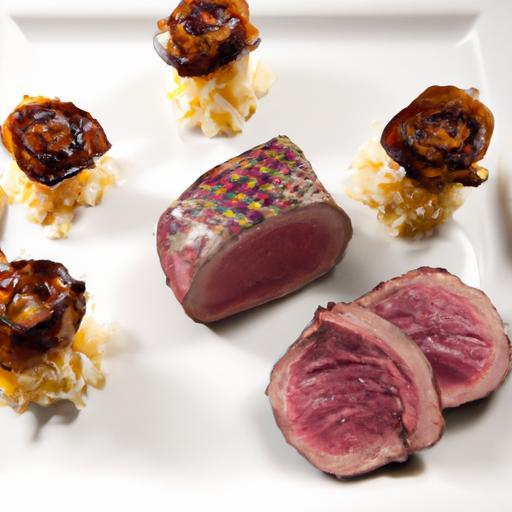
Ther’s a certain allure to filet mignon-the tender, buttery cut that promises indulgence wiht every bite. Achieving that flawless texture and doneness can be a delicate dance, one that traditional cooking methods sometimes struggle to master.Enter sous-vide, the culinary technique that revolutionizes how we approach steak, delivering precision and perfection in every bite. But the magic doesn’t stop there. Pairing sous-vide’s gentle, even cooking with a fast, sizzling sear locks in flavor and creates that irresistible crust that makes filet mignon truly memorable. In this article, we’ll guide you through the art and science of mastering sous-vide filet mignon with the perfect sear, so you can bring restaurant-quality steak right to your own kitchen.
Mastering Sous-Vide Filet Mignon with the Perfect Sear
Mastering sous-vide filet mignon with the perfect sear unlocks a culinary experience like no other-juicy, tender, and exquisitely flavorful, every bite is a party of precision and technique. This method has revolutionized steak preparation by combining the science of gentle, controlled cooking with the artful finish of a golden crust that delights both the eye and palate.
understanding the Science Behind Sous-Vide Cooking for Filet mignon
At the heart of mastering sous-vide filet mignon lies the ingenious principle of cooking vacuum-sealed meat in a water bath at a precise temperature. this gentle heat allows proteins to denature uniformly, resulting in unparalleled tenderness and juiciness, unlike traditional high-heat methods. The controlled environment prevents overcooking, eliminating the gradient between the edge and center of the steak. Learning to harness this science ensures that every filet mignon emerges cooked to perfection, silky, soft, and bursting with flavor.
Selecting the Ideal Cut and Seasoning Techniques for Maximum Flavor
Choosing the right cut is paramount. Opt for a center-cut filet mignon,ideally 1.5 to 2 inches thick, with a consistent shape for even cooking. Its tenderness stems from minimal connective tissue, making it the ultimate cut for sous-vide technique.When seasoning, simplicity is king: kosher salt, freshly cracked black pepper, and a touch of garlic powder are sufficient to enhance the meat’s natural flavor. For a more profound aromatic profile, infuse fresh herbs like thyme or rosemary into the vacuum bag, allowing their subtle oils to permeate during the sous-vide process.
Prep and Cook Time
- Preparation: 10 minutes
- Cooking: 1 hour 30 minutes
- Searing and Resting: 10 minutes
- Total Time: Approximately 1 hour 50 minutes
Yield
Serves 2 elegantly portioned filet mignon steaks.
Difficulty Level
Medium – Requires precision cooking and pan-searing skills but rewarding and approachable for confident home chefs.
Ingredients
- 2 center-cut filet mignon steaks, 1.5 to 2 inches thick
- 1 tbsp kosher salt
- 1 tsp freshly cracked black pepper
- ½ tsp garlic powder
- 2 sprigs fresh thyme or rosemary
- 2 tbsp high smoke point oil (grapeseed or avocado oil)
- 2 tbsp unsalted butter
- 2 cloves garlic, lightly crushed
Step by step Guide to achieving the Perfect Temperature and Timing
- Prepare the steaks: Pat dry the filet mignon steaks with paper towels. Season evenly with kosher salt, black pepper, and garlic powder.
- Vacuum seal: Place each steak into a vacuum bag with a sprig of thyme or rosemary. Ensure all air is removed and seal the bag tightly for optimal water contact and infusion.
- Set sous-vide temperature: Preheat your water bath to 129°F (54°C) for medium-rare. For medium, set between 135°F (57°C) and 140°F (60°C).
- Cook: Submerge vacuum-sealed steaks into the water bath, ensuring they are fully immersed. Cook for 1 hour and 30 minutes to 2 hours for a tender,evenly cooked texture.
- Remove and dry: Once cooked, carefully take the steaks out and pat completely dry with paper towels. This step is vital for achieving an impeccable sear.
Mastering the Art of the Perfect Sear to Enhance Texture and Appearance
- Heat your skillet: Preheat a heavy-bottomed cast iron pan over high heat until smoking hot. Use grapeseed or avocado oil for its high smoke point to avoid burning.
- sear the steaks: Add the steaks to the pan and sear undisturbed for 60 seconds on each side until a deep, golden-brown crust forms. Add butter, garlic cloves, and a fresh thyme sprig during the final 30 seconds, basting continuously to infuse richness.
- Rest: Remove steaks from the pan and let rest on a warm plate for 5 minutes. This helps redistribute juices, keeping the steak succulent.
Chef’s Notes
- Temperature guide: Adjust sous-vide time and temperature based on preferred doneness. Longer cooks (up to 4 hours) will increase tenderness but risk changing texture.
- Herb variations: Experiment with tarragon or sage for nuanced flavors during the sous-vide infusion.
- Make-ahead: Steaks can be cooked sous-vide hours in advance, chilled in the bag, then seared fresh just before serving.
- Don’t skip drying: Moisture on the steak surface is the enemy of a perfect crust; always pat dry before searing.
Serving Suggestions
Present your mastering sous-vide filet mignon with the perfect sear on a warm plate, garnished with freshly chopped parsley and accompanied by a roasted garlic butter sauce or velvety mushroom jus. Pair alongside creamy mashed potatoes,grilled asparagus,or a vibrant arugula salad dressed with lemon vinaigrette for balance.Add a sprinkle of flaky sea salt atop the steak right before serving to accentuate flavors perfectly.

| Nutrient | Per Serving |
|---|---|
| Calories | 420 kcal |
| Protein | 45 g |
| Carbohydrates | 1 g |
| Fat | 28 g |
for those wanting to dive deeper into sous-vide cooking science, Serious Eats offers an excellent comprehensive guide. Also, explore our related article on perfect steak searing techniques to elevate your finishing skills to stellar levels.
Q&A
Q&A: Mastering Sous-Vide Filet Mignon with the Perfect Sear
Q1: What makes sous-vide cooking ideal for filet mignon?
Sous-vide is the secret to unlocking filet mignon’s legendary tenderness and juiciness.By cooking the steak in a precisely controlled water bath at a consistent temperature, you ensure that every inch of the filet reaches your desired doneness evenly-no more guesswork, no more overcooked edges.
Q2: how do I set the perfect temperature for my sous-vide filet mignon?
Temperature is your greatest ally in sous-vide mastery. For filet mignon, a range between 129°F (54°C) for medium-rare and 135°F (57°C) for medium usually hits the sweet spot. This gentle heat gently melts connective tissues while maintaining the steak’s buttery texture.
Q3: How long should I cook filet mignon sous-vide?
Patience is a virtue here. A good rule of thumb is 1 to 2 hours for a 1.5 to 2-inch thick filet. This window allows for optimal tenderness while preventing the texture from becoming mushy. You can stretch it up to 4 hours for extra tenderness, but avoid going too far to keep the steak’s natural firmness.
Q4: What’s the key to achieving the perfect sear after sous-vide?
The sear is where flavor takes flight.Before searing, pat your filet completely dry-any moisture will steam rather of caramelize. Use a smoking hot cast-iron skillet or a heavy pan with just a bit of high smoke point oil like grapeseed or avocado oil. Aim for a golden-brown crust in 45-60 seconds per side, and don’t forget to sear the edges for that irresistible finish.
Q5: Should I season my filet before or after sous-vide?
Season early, but simply. A sprinkle of kosher salt and fresh cracked black pepper before sealing your filet elevates the meat’s natural flavor throughout the cooking process.You can add fresh herbs or garlic in the bag for subtle aromatic notes, but save any finishing herbs or compound butter for after searing.
Q6: Can I sous-vide filet mignon from frozen?
Absolutely! Sous-vide’s forgiving nature lets you cook directly from frozen. Just extend the cooking time by approximately 30 to 60 minutes to ensure it reaches the perfect core temperature without sacrificing texture.
Q7: How do I rest a sous-vide filet mignon after searing?
Since sous-vide cooking gently cooks the steak through, resting is less critical but still recommended. Let your filet rest loosely tented with foil for 5 minutes. This allows juices to redistribute, making every bite pure bliss.
Q8: What flavor twists work well with sous-vide filet mignon?
Think beyond basics-try infusing your vacuum bag with fresh rosemary,thyme,or a crushed garlic clove to subtly perfume the steak during the bath. Post-sear, a knob of herb butter or a pinch of flaky sea salt can add that next-level flavor dimension.Q9: Why does sous-vide eliminate the risk of overcooking?
Sous-vide’s magic lies in precision. The water bath is always at your steak’s target temperature, so the filet can’t exceed that heat. This eliminates the possibility of overcooking, allowing you to perfectly time the cooking and searing steps without anxiety.
Q10: Can I reuse the sous-vide bag if it isn’t punctured?
For food safety, it’s best to use fresh bags for each cook. Even if the bag looks intact, microscopic contamination can occur during handling, and disposable bags help maintain the highest hygiene standards.
Mastering sous-vide filet mignon is equal parts science and art. With patience,precision,and a fiery final sear,your filet will transform into a melt-in-your-mouth masterpiece every time.
The Conclusion
Mastering sous-vide filet mignon with the perfect sear is more than just a cooking technique-it’s an art form that transforms a humble cut of beef into a tender, flavorful masterpiece. By harnessing the precision of sous-vide and finishing with a caramelized crust, you unlock textures and tastes that traditional methods can only dream of. whether you’re a seasoned chef or an adventurous home cook, this approach ensures every bite is evenly cooked, juicy, and beautifully presented. So, don your apron, set your immersion circulator, and prepare to impress with a filet mignon that’s truly restaurant-worthy-because excellence in the kitchen is just a warm bath and a sizzling sear away.