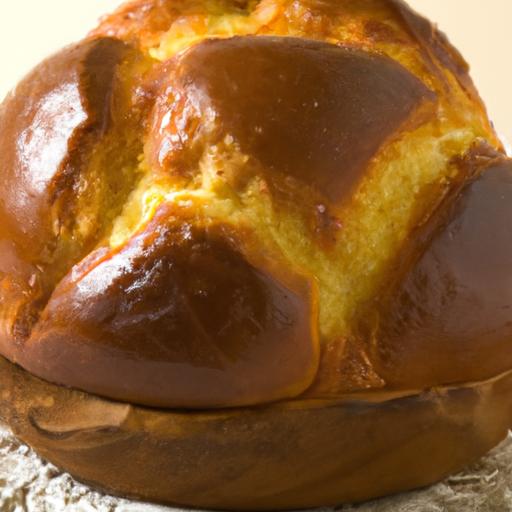

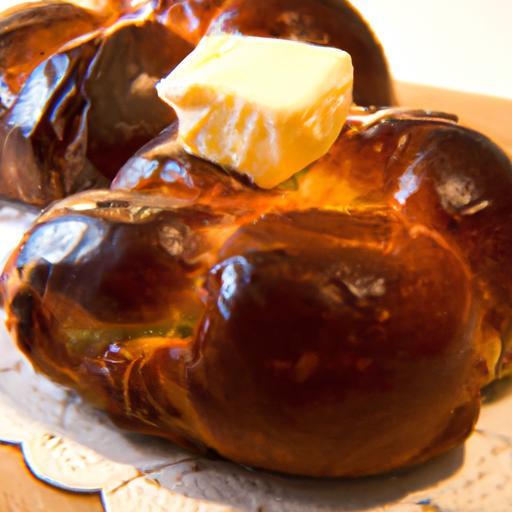
There’s something undeniably enchanting about the golden crust and tender, pillowy crumb of a perfectly baked brioche. This classic French bread, with its delicate balance of rich butter and subtly sweet dough, has long been a symbol of indulgence and artisanal skill. But beneath its luxurious exterior lies an art-one that transforms simple ingredients into a loaf that is as versatile as it is indeed decadent. In this article,we’ll unravel the secrets of crafting rich,buttery brioche at home,guiding you step by step through the timeless techniques that elevate everyday baking into a labor of love.Whether your a curious beginner or a seasoned baker, prepare to embark on a culinary journey that celebrates the warmth, flavor, and sheer delight of homemade brioche.
The Art of Brioche: Crafting Rich, Buttery Loaves at Home
The art of brioche begins with an exquisite interplay of carefully chosen ingredients and time-honored techniques that transform humble dough into a tender, airy, golden loaf brimming with buttery richness. Brioche’s roots reach deep into French culinary tradition, where this luxurious bread balances softness with a subtle sweetness, making it an indulgent staple for breakfast tables and elegant brunch spreads alike.
Bringing this classic to yoru kitchen is an invitation to master the saga of yeast, flour, eggs, and butter, and the magic they create through patience and skill. Whether you’re a baking enthusiast seeking to perfect your loaf or a home cook aspiring to elevate everyday bread, unlocking the secrets behind brioche texture and flavor will transform your baking journey.
Prep and Cook Time
- Readiness: 30 minutes
- First Rise: 1 hour 30 minutes
- Second Rise: 1 hour
- Baking: 30-35 minutes
- Total Time: Approximately 4 hours (including rises)
Yield
One 9×5-inch loaf, serving 8 slices
Difficulty Level
Advanced: Requires attention to detail, proper kneading, and timing, but highly rewarding.
Ingredients
- 3 ½ cups (440g) all-purpose flour, sifted
- ¼ cup (50g) granulated sugar
- 2 tsp active dry yeast
- 1 tsp fine sea salt
- 5 large eggs, at room temperature
- ½ cup (120ml) whole milk, warmed to 100°F (38°C)
- 1 cup (227g) unsalted butter, softened and cut into cubes
- 1 egg (for egg wash)
Instructions
- Activate the yeast: In a small bowl, combine the warm whole milk with the active dry yeast and 1 teaspoon of sugar. Stir gently and let sit for 5-10 minutes until foamy and bubbly, signaling active yeast.
- Combine dry ingredients: In a large mixing bowl or the bowl of a stand mixer, whisk together sifted flour, remaining sugar, and sea salt, keeping salt away from yeast initially as it can inhibit activation.
- Add eggs and yeast mixture: Gradually pour in the eggs and the yeast-milk mixture. Stir with a dough hook or wooden spoon to form a rough dough.
- Knead the dough: Using a stand mixer fitted with a dough hook,knead on medium speed for about 5 minutes until the dough becomes stretchy. The dough will be sticky and shaggy at this point.
- Incorporate butter slowly: Gradually add softened butter cubes, a few at a time, ensuring each portion is fully absorbed before adding more. This process can take 10-15 minutes. Continue kneading until the dough is smooth, glossy, elastic, and pulls away cleanly from the bowl.
- First proof: Transfer the dough into a large, lightly oiled bowl. Cover tightly with plastic wrap or a damp kitchen towel. Let rise in a warm, draft-free area for 90 minutes or until doubled in volume.
- chill the dough: Punch down the dough gently, then cover again and refrigerate for at least 2 hours or overnight. This resting phase solidifies the butter and deepens flavor complexity.
- Shape the loaf: Remove chilled dough and lightly flour the surface.Shape into a loaf by folding dough into thirds,then place it into a buttered 9×5-inch loaf pan. Cover loosely and let proof a second time for about 45 to 60 minutes until puffy.
- Prepare the egg wash: Whisk one egg with a tablespoon of water. Brush gently over the surface of the loaf for a brilliant golden sheen.
- Bake: Preheat oven to 350°F (175°C). Bake for 30-35 minutes until the brioche is deeply golden and sounds hollow when tapped. If the top browns too fast, tent with foil halfway through baking.
- Cool and enjoy: Remove from oven and cool in the pan for 10 minutes, then turn out onto a wire rack to cool completely. This step prevents sogginess and sets the crumb for perfect slicing.
Tips for Success
- Use fresh, high-quality unsalted butter for richest flavor and a tender crumb.
- Knead thoroughly but avoid overworking once butter is fully incorporated; dough should remain slightly tacky but manageable.
- Keep proofing in a warm spot (75-80°F) to encourage yeast activity – a cold kitchen will slow the rise and affect final texture.
- Refrigerating the dough overnight isn’t mandatory but enhances flavor and makes handling easier, especially for beginners.
- Ensure eggs and milk are room temperature to promote even yeast activation.
- For a richer finish, brush egg wash twice-before and halfway through baking.
- Use a digital thermometer to confirm internal loaf temperature of about 190°F for perfect doneness.
Serving Suggestions
Brioche shines brightest when enjoyed fresh, sliced thick with a spread of unsalted butter or artisanal fruit preserves. For a decadent twist, toast slices lightly and layer with creamy avocado and heirloom tomato for brunch, or accompany warm brioche with a drizzle of honey and fresh berries.
Presentation ideas include garnishing with a light dusting of powdered sugar or adding a small swirl of homemade whipped cream on the side. Its softness and buttery crumb make it an ideal base for French toast or bread pudding, so don’t hesitate to experiment.

| Nutrient | Per Slice (1/8 Loaf) |
|---|---|
| Calories | 280 kcal |
| Protein | 7 g |
| Carbohydrates | 28 g |
| Fat | 15 g |
For more about yeast baking techniques and artisan bread recipes, see our Artisan Yeast Breads Collection. To deepen your understanding of yeast science and dough development, visit King Arthur Baking’s Bread Baking Basics.
Q&A
Q&A: The Art of Brioche – Crafting Rich, Buttery Loaves at Home
Q: What makes brioche different from other breads?
A: Brioche is the epitome of indulgence in the bread world-rich, tender, and buttery with a slightly sweet flavor. Unlike lean breads made with just flour, water, salt, and yeast, brioche incorporates generous amounts of eggs and butter, giving it a tender crumb and golden, glossy crust that feels like a buttery cloud in your mouth.
Q: Is making brioche at home tough for a beginner baker?
A: While brioche may look regal, with a little patience it’s entirely achievable for home bakers. The key challenges are managing the rich dough’s stickiness and allowing for sufficient rising time. With the right techniques-like kneading to develop gluten and giving the dough plenty of time to rest-bakers will be rewarded with a tender, buttery loaf that feels like a true kitchen triumph.
Q: What is the best flour to use for brioche?
A: A high-protein bread flour is ideal because it creates a strong gluten network, which helps trap the plenty of butter and eggs within the dough. This results in the soft yet structured crumb that is the hallmark of perfect brioche.
Q: Can I make brioche without a stand mixer?
A: Absolutely! Though stand mixers make the long kneading process easier, hand-kneading is definitely possible. It just requires a bit more elbow grease and patience-about 15 to 20 minutes-to properly develop the dough’s elasticity.The satisfying stretch and fold of sticky dough can be quite meditative and rewarding.
Q: Why does brioche dough need to be refrigerated during the process?
A: Brioche dough can get very soft and warm from the butter, making it tricky to shape. A chill in the fridge firms up the dough, making it easier to handle and boosting flavor as it slowly ferments. This step is a secret ingredient to that tender crumb and rich aroma.
Q: How can I tell if my brioche dough has risen enough before baking?
A: The dough should roughly double in size and feel light and airy to the touch. A gentle poke test can help: if the indentation slowly springs back but leaves a slight mark, the dough is perfectly proofed and ready for its buttery transformation in the oven.
Q: Any tips for getting that beautiful shiny,golden crust on brioche?
A: An egg wash made with beaten egg (or egg yolk) brushed over the dough before baking is the classic trick. This creates a lovely sheen and deep color. For an extra glossy finish, some bakers add a touch of cream or milk to the wash.
Q: What are some delicious ways to enjoy homemade brioche?
A: Brioche shines at breakfast,transformed into French toast,or simply split and slathered with jam or honey. It’s also a decadent base for sandwiches or burgers, offering a soft, buttery counterpoint to savory flavors. The possibilities are endless-each bite is a festivity of buttery bliss.Q: Can brioche dough be frozen for later use?
A: Yes! Brioche dough freezes beautifully either before or after the first rise.Just wrap it tightly in plastic wrap and place it in an airtight container. When ready, thaw it slowly in the refrigerator overnight, then let it come to room temperature before shaping and baking.
Q: How meaningful is the butter quality in brioche?
A: Very important! Since butter is such a star ingredient, using high-quality unsalted butter – ideally European-style with a higher fat content – elevates the flavor and texture. The butter lends that creamy richness and velvety crumb that make brioche truly remarkable.
Insights and Conclusions
Mastering the art of brioche is more than just following a recipe-it’s an invitation to slow down, embrace the rhythm of kneading, and watch simple ingredients transform into something luxuriously golden and tender. Each loaf carries the warmth of buttery layers folded with care, a testament to patience and passion baked into every crumb. Whether shared at a festive brunch or savored quietly with morning coffee,homemade brioche elevates the everyday into an experience of rich,buttery delight. So,roll up your sleeves and let your kitchen become a haven where flour,butter,and yeast come together in a timeless dance-because the true joy of brioche is not just in eating it,but in crafting it yourself.