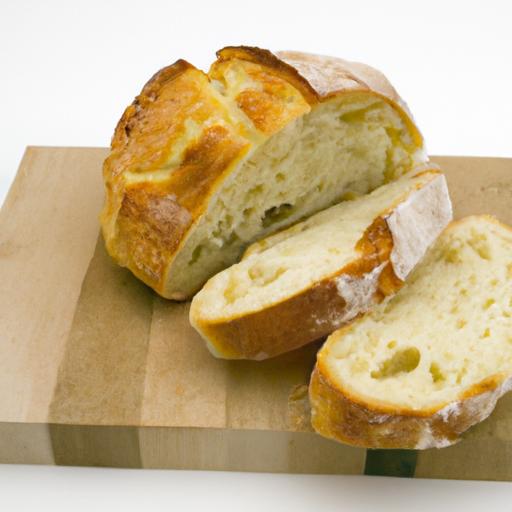

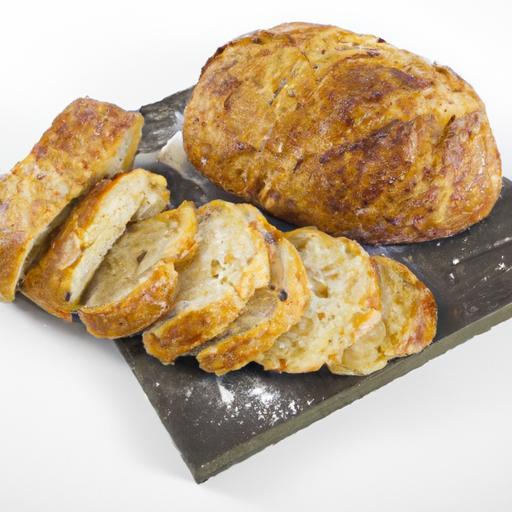
Beneath the artisanal allure of bakery shelves lies a loaf that never fails to captivate with its striking, mottled crust-tiger bread. With its golden,crackled surface resembling the stripes of a wild feline,tiger bread tempts both the eyes and the palate,inviting curiosity about its origins and the science behind its unique pattern. But what secrets hide beneath that mottled facade? In this article,we unmask tiger bread,tracing the fascinating story of how a simple dough transforms into a canvas of crispy,tiger-like markings,blending cultural history,conventional baking techniques,and a sprinkling of chemistry.Join us as we delve into the tale behind the crust, revealing how tiger bread earned its name and a place of honor in bakeries worldwide.
Tiger Bread Unmasked: The Story Behind Its Mottled Crust reveals an enchanting culinary tale rooted in Dutch tradition, where the iconic crackled crust tells a story beyond flavor. Originally known as “tijgerbrood” in the Netherlands, this bread’s signature mottled top mirrors the markings of a wild tiger’s coat, captivating bakers and bread lovers worldwide. What truly makes this bread remarkable is the use of a unique rice flour paste that crisps up during baking, creating a visual and textural signature that is both stunning and addictive.
The Origins and Cultural Importance of Tiger Bread’s Distinctive Crust
The tradition of tiger bread dates back to post-war Holland, where creative bakers sought to craft bread that stood out from the ordinary. This crackle loaf quickly symbolized innovation and artistry in humble bakery settings. Beyond just aesthetics, the crust has become a cultural icon, representing home-baked goodness with a rustic flair. It is a bread that invites tactile and sensory delight-a true conversation starter on any dinner table.
The Science Behind the Crackle: How Rice flour creates the Unique Texture
What sets tiger bread apart is the ingenious use of a rice flour-based paste applied before baking. Unlike wheat flour, rice flour lacks gluten, which means it doesn’t stretch or rise as bread dough does. Rather,when the paste dries and bakes,it hardens and cracks under the expanding bread beneath it,forming that distinctive,tiger-like pattern. This fascinating interaction between the hydrated rice flour paste and the leavening dough beneath crafts both an eye-catching and delightful crunchy texture.
Prep and Cook Time
- preparation: 20 minutes
- Proofing: 1 hour 45 minutes (can vary by ambient temperature)
- Baking: 25 minutes
- Total: Approximately 2 hours 30 minutes
yield
One 9-inch loaf, enough to serve 8 slices.
Difficulty Level
Medium – Great for bakers with some bread-making experience eager to challenge themselves with new textures.
Ingredients
- For the bread dough:
- 3 cups all-purpose flour,sifted
- 1 tsp salt
- 2 tsp active dry yeast
- 1 cup warm water (110°F/43°C)
- 2 tbsp olive oil
- 1 tbsp honey
- For the tiger paste:
- 4 tbsp rice flour
- 3 tbsp warm water
- 1 tsp sugar
- 2 tsp vegetable oil
- ½ tsp active dry yeast
- Pinch of salt
Instructions
- Prepare the bread dough: In a large bowl,combine the warm water,honey,and yeast. Let it activate for 5-10 minutes until frothy.
- add the flour, salt, and olive oil to the yeast mixture. Mix until a shaggy dough forms.
- Knead the dough on a lightly floured surface for 8-10 minutes until smooth and elastic. Place it in a lightly oiled bowl, cover, and let it proof for 1 hour or until doubled in size.
- Meanwhile, make the tiger paste: In a small bowl, whisk rice flour, warm water, sugar, yeast, vegetable oil, and salt until a thick batter forms. Cover and let it sit for 30 minutes – this allows gentle fermentation and development of the cracking properties.
- Once the bread dough has risen, gently deflate it and shape it into a round loaf. Place it on a parchment-lined baking sheet.
- Spread the tiger paste evenly and thickly</b over the top of the loaf with a spatula, taking care to cover every inch but not the sides.
- Cover loosely with plastic wrap and let rise another 30-45 minutes, until the paste has cracked slightly and loaf visibly puffs.
- Preheat your oven to 375°F (190°C). Bake the bread for 25 minutes. The tiger crust will harden and develop its iconic mottled pattern and crunch.
- Let the bread cool fully</b on a wire rack before slicing to preserve the texture.
Tips and Tricks for Enhancing Flavor and Achieving the Ideal Crunch
- Use fresh active dry yeast and make sure your water is the right temperature-too hot kills the yeast,too cold delays rising.
- For a tangier loaf, replace half of the water in the dough with buttermilk or add a tablespoon of natural yogurt-this complements the crispy crust with subtle sweetness inside.
- Adjust the thickness of the rice paste slightly if you want a more dramatic crackle. A thicker paste results in larger, more pronounced cracking.
- Experiment with toppings on the tiger paste before baking-sprinkle sesame or poppy seeds to add complexity without obscuring the pattern.
- Allow thorough cooling so the crust can fully set; consuming it warm might soften the delightful crackle.
- Make-ahead tip: The dough can be refrigerated overnight after the first rise; just bring it back to room temp before applying the paste and final proof.
Serving Suggestions
This loaf shines best served simply to highlight its crunchy, flavorful crust.Slice thickly and:
- Spread with creamy butter and a drizzle of honey for breakfast bliss.
- Use as a base for hearty avocado toast seasoned with chili flakes and fresh lime juice.
- Pair with rich soups or stews, where the crust holds up perfectly for dipping.
- Slice horizontally for unique, textured sandwiches-roasted vegetable paninis or grilled chicken with arugula work wonderfully.
Garnish your serving basket with sprigs of fresh thyme or rosemary for an inviting, aromatic presentation.
| Nutrient | Per Slice (1/8 loaf) |
|---|---|
| Calories | 180 kcal |
| Protein | 5 g |
| carbohydrates | 32 g |
| Fat | 3 g |

For home bakers fascinated by bread science, exploring King Arthur Baking’s detailed bread guide offers further expert insights on crust development and gluten dynamics.
Crackling, golden, and undeniably charming-the unique texture and story behind tiger bread will inspire your kitchen repertoire and turn any baking day into a treasured ritual.
Q&A
Q&A: Tiger Bread Unmasked – The Story Behind Its Mottled Crust
Q: What exactly is tiger bread,and why is it called that?
A: Tiger bread is a type of loaf known for its distinctive mottled crust,which looks cracked or patchy,reminiscent of a tiger’s stripes or spots. The name conjures images of wild,majestic felines,perfectly capturing the bread’s visually striking outer layer.Interestingly, in some places, it’s also called giraffe bread due to the crust’s irregular pattern resembling a giraffe’s coat.
Q: What creates the unique crust pattern on tiger bread?
A: The secret lies in a special rice flour paste that’s applied to the dough just before baking. As the bread bakes,the paste dries and cracks,forming a patchwork of crispy,golden areas contrasting with the soft bread beneath. This crackling effect is what gives tiger bread its signature look and delightful texture.
Q: Is the rice flour paste the same as regular bread dough?
A: Not quite. The paste is made from rice flour mixed with water, sugar, yeast, oil, and sometimes a pinch of salt, creating a thick batter. Becuase rice flour contains no gluten, it doesn’t stretch or expand like wheat dough. As the underlying bread rises and expands during baking, the dry rice paste cracks open, creating that iconic mottled surface.
Q: Where did tiger bread originate?
A: Tiger bread has roots in the Netherlands, where it’s known as “tijgerbrood.” It gained popularity across Europe and beyond, captivating bakers and bread lovers alike with its unusual appearance and appealing texture. Its story is an example of how simple ingredients and baking techniques can transform ordinary bread into something remarkable.
Q: Does tiger bread taste different from regular white or sandwich bread?
A: Yes! While the interior is soft, fluffy, and similar to standard white bread, the crust adds an extra layer of flavor and crunch thanks to the rice flour paste.The mild sweetness from the glaze balances beautifully with the savory bread, offering a unique eating experience that’s both comforting and exciting.
Q: Can tiger bread be made at home, or is it only available from bakeries?
A: It’s absolutely possible to bake tiger bread at home! While it requires a couple of steps – preparing the bread dough and separately mixing the rice flour paste – the process is surprisingly manageable for home bakers willing to experiment. The result is a lovely loaf that looks and tastes quite special.
Q: Are there variations of tiger bread?
A: Definitely! Some bakers add herbs or seeds to the bread dough for extra flavor,while others tweak the rice flour paste with spices or different types of sugar. The fundamental crackling crust remains the star, but creative twists abound to suit different palates and occasions.
Q: Beyond its looks and taste, does tiger bread have any cultural significance?
A: While tiger bread isn’t tied to any particular holiday or tradition, its rise to fame illustrates how innovation in baking can capture imaginations worldwide.It’s a festivity of texture and appearance in bread-making-a reminder that what we eat engages all our senses, not just taste.
Q: What are some tips for enjoying tiger bread?
A: tiger bread shines when eaten fresh,ideally the same day it’s baked. Its crispy crust and soft center are perfect for sandwiches, especially with ingredients like cheese, vegetables, or plant-based spreads. Toasting can bring out even more crunch in the crust, making breakfast or snacks extra special.
Q: Why is tiger bread becoming more popular in bakeries around the world?
A: Its appeal lies in the perfect marriage of visual intrigue and textural delight. In an age where aesthetics matter as much as quality, tiger bread catches the eye and excites the palate. As more people seek novel culinary experiences, this striped wonder continues to roar quietly from bakery shelves worldwide.
To Conclude
As the golden crust crackles beneath your fingertips and the mottled pattern reveals its signature charm, tiger bread stands as a flavorful reminder that even the simplest loaves carry stories worth savoring. From its inventive baking technique to the cultural journey behind its nickname, this humble bread teaches us that beauty often lies in imperfection-and curiosity can turn every bite into an exploration. So next time you slice into that crackly crust,remember: you’re not just enjoying bread,you’re tasting a tale of tradition,creativity,and a touch of wild inspiration unmasked.