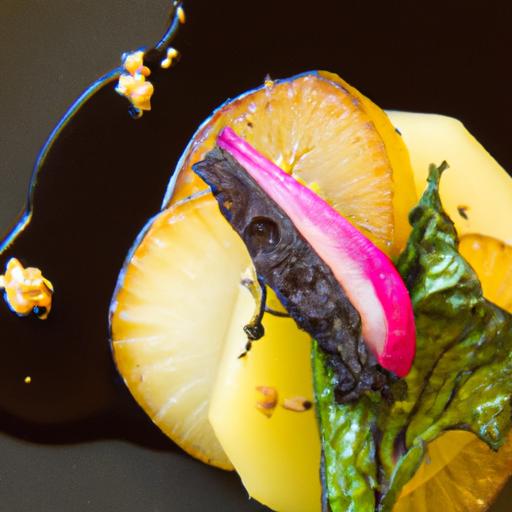

In the vast landscape of vegetables often overlooked, kohlrabi stands out as a hidden gem-crisp, subtly sweet, and packed with nutrients. Yet, its rarely given the spotlight it deserves. Enter the transformative power of roasting,combined with the umami-rich allure of a savory miso glaze. Together, they unlock a new dimension of flavor that elevates this humble bulb into a culinary star. In this article, we’ll explore how roasting kohlrabi caramelizes its natural sugars, while a luscious miso glaze adds depth and richness, creating a dish that’s as nourishing as it is irresistible. Prepare to rediscover kohlrabi in a way that will excite your palate and inspire your kitchen creativity.
Roasted kohlrabi with savory miso glaze is an inspired way to unlock flavor hidden within this often-underappreciated vegetable. Its crisp, slightly peppery texture transforms beautifully when roasted, while a rich miso glaze adds an irresistible layer of depth and umami that makes every bite a delight. This dish redefines simple, elevating humble kohlrabi into a culinary experience that’s both approachable and complex.
Prep and Cook Time
- preparation: 15 minutes
- Cooking: 30 minutes
- Total Time: 45 minutes
yield
Serves 4 as a side dish
Difficulty Level
Easy to Medium
Ingredients
- 3 medium kohlrabi bulbs, peeled and cut into 1-inch cubes
- 2 tablespoons olive oil
- 3 tablespoons white miso paste
- 1 tablespoon maple syrup
- 1 tablespoon soy sauce (or tamari for gluten-free)
- 1 teaspoon grated fresh ginger
- 2 garlic cloves, minced
- 1 teaspoon toasted sesame oil
- 1 tablespoon rice vinegar
- Toasted sesame seeds, for garnish
- Thinly sliced green onions, for garnish
- Flaky sea salt and cracked black pepper, to taste
Instructions
- Preheat your oven to 425°F (220°C). Line a baking sheet with parchment paper to prevent sticking and ensure even roasting.
- Prepare the kohlrabi: Peel each bulb carefully using a vegetable peeler until smooth and green-free. Cut into uniform 1-inch cubes to promote even caramelization.
- Toss the cubes in 2 tablespoons olive oil, salt, and pepper until well coated. spread them in a single layer on the baking sheet, avoiding overcrowding to maximize roasting effect.
- Roast the kohlrabi for 20-25 minutes,flipping halfway through,until tender and golden brown with crispy edges.
- While kohlrabi roasts, craft the miso glaze: In a small bowl, whisk together white miso paste, maple syrup, soy sauce, grated ginger, minced garlic, toasted sesame oil, and rice vinegar until smooth and glossy. This savory miso glaze is key to unlocking intense umami depth.
- Once roasted, transfer the hot kohlrabi to a large bowl and gently fold in the miso glaze, ensuring each cube is perfectly coated.
- Return the glazed kohlrabi to the baking sheet and roast for an additional 5 minutes to set the glaze and deepen caramelization.
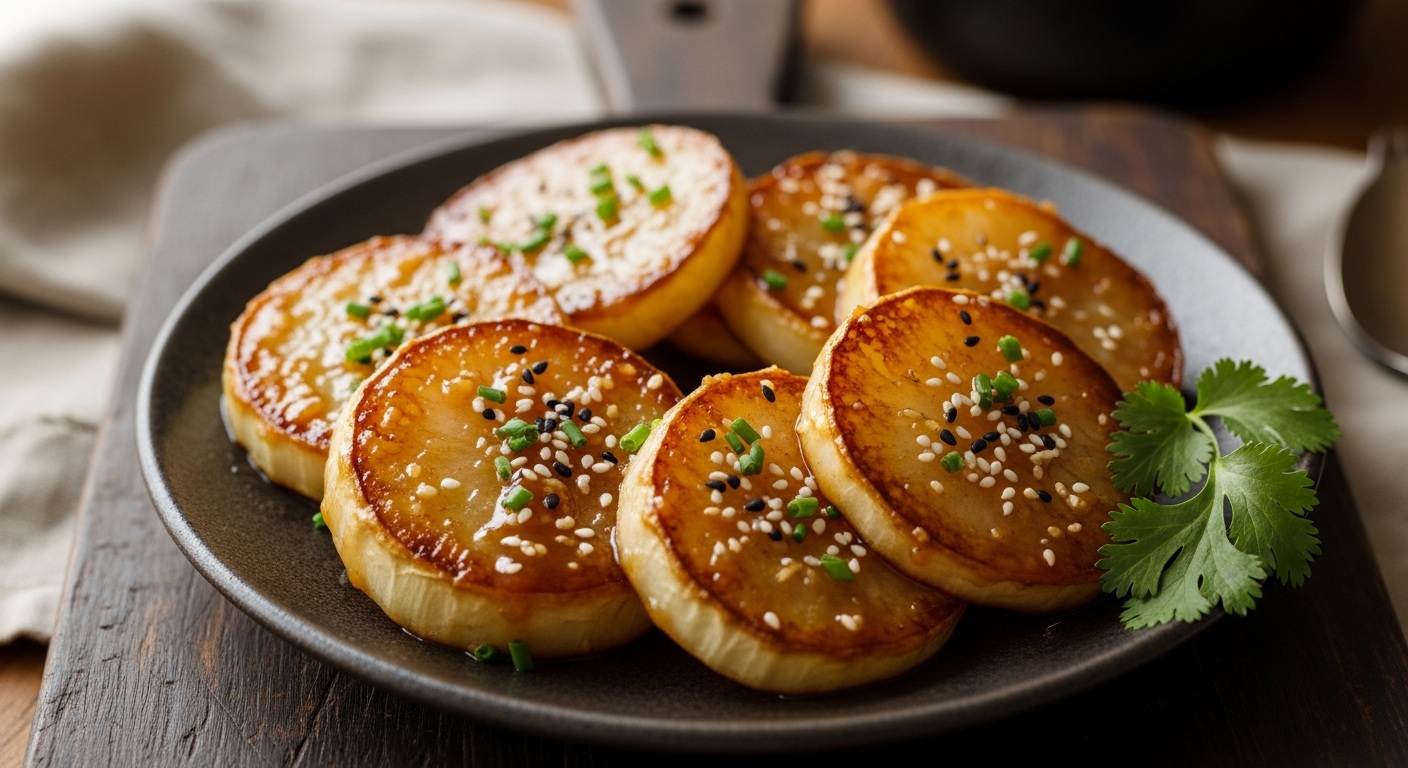
- Remove from oven and garnish with toasted sesame seeds and thinly sliced green onions for a vibrant finish.
- Serve instantly to savor the contrast of crispy edges and tender centers bursting with savory miso richness.
Tips for Success
- Pick fresh kohlrabi bulbs that feel firm and heavy without soft spots for the best texture.
- Uniform cutting is essential; irregular sizes may cause uneven cooking and texture.
- Adjust miso glaze sweetness or saltiness to your preference by tweaking maple syrup or soy sauce amounts.
- Gluten-free option: Use tamari in place of soy sauce without altering flavor.
- Make-ahead: Prepare the miso glaze 2 days ahead and store refrigerated. Reheat gently before tossing with warm roasted kohlrabi.
- For a bolder umami kick, add a teaspoon of toasted ground sesame seeds into the glaze.
Serving Suggestions to Elevate Your Roasted kohlrabi Experience
Serve this roasted kohlrabi with savory miso glaze as the star side alongside charred vegetables or a fragrant bowl of steamed jasmine rice. Its vibrant glaze pairs wonderfully with dishes featuring tofu or seared fish, lending a sophisticated umami boost. Garnish with fresh herbs like cilantro or a sprinkle of crushed toasted peanuts for added texture and aroma.
For a casual meal, pile the glazed cubes atop mixed greens, thinly sliced radishes, and crispy shallots for a roasted kohlrabi salad that feels fresh yet deeply satisfying.A drizzle of spicy chili oil can be added at the table to heighten warmth and complexity.

| Nutrient | Per Serving |
|---|---|
| Calories | 140 kcal |
| Protein | 4 g |
| Carbohydrates | 18 g |
| Fat | 6 g |
For more vegetable roasting inspiration, check out our Mediterranean Roasted Root Vegetable Medley. Expand your culinary repertoire with science-backed insights about umami flavor from the National Geographic Food Science feature.
Q&A
Q&A: Unlock Flavor – Roasted Kohlrabi with Savory miso Glaze
Q1: What makes kohlrabi a unique vegetable to roast?
A1: Kohlrabi’s firm, bulbous texture and subtly sweet, cabbage-like flavor make it an ideal candidate for roasting. When roasted, it develops a tender, almost creamy interior with crispy golden edges that beautifully soak up any glaze or seasoning, transforming it into a surprisingly versatile and flavorful ingredient.Q2: Why pair kohlrabi with a miso glaze?
A2: Miso brings a rich, umami-packed depth that elevates the naturally mild kohlrabi. The savory miso glaze caramelizes in the oven, creating a glossy, slightly sweet crust that contrasts with the vegetable’s earthy undertones. This marriage enhances the overall flavor profile, unlocking a complex balance of sweet, salty, and savory notes.
Q3: How do you prepare kohlrabi for roasting?
A3: Begin by peeling the tough outer skin of the kohlrabi with a vegetable peeler or paring knife-this is essential as the skin can be fibrous. Then, cut the bulb into uniform cubes or wedges for even roasting. Toss the pieces with a touch of oil and roast at a high temperature until they’re browned and tender.
Q4: Can the miso glaze be made ahead of time?
A4: Absolutely! The miso glaze, typically made from miso paste, a sweetener such as maple syrup or honey, rice vinegar, and a hint of toasted sesame oil, can be mixed in advance. Storing it in the refrigerator not only saves time but allows the flavors to meld, making the glaze even more aromatic when applied.
Q5: What are some ways to serve roasted kohlrabi with miso glaze?
A5: This dish shines as a vibrant side or a centerpiece in a plant-forward meal. Serve it atop steamed grains like quinoa or brown rice, sprinkle with toasted sesame seeds and sliced green onions for texture and freshness, or add it to a warm salad with leafy greens and crunchy nuts. It’s also terrific cooled down and tossed into grain bowls or wraps.
Q6: How can you adjust the glaze for dietary preferences?
A6: The beauty of the miso glaze lies in its flexibility. For a gluten-free version,use tamari instead of traditional soy sauce. Vegan eaters will be glad to know that this glaze is naturally plant-based if sweetened with maple syrup or agave nectar. The amount of sweetness or tang can be tweaked easily to suit your personal palate.Q7: what kitchen tools help achieve the best roasted kohlrabi texture?
A7: A sturdy baking sheet or roasting pan with a rim works best, allowing the kohlrabi pieces to spread out for maximum caramelization. A silicone spatula or tongs make it easy to toss the vegetable in the glaze midway through roasting. a sharp vegetable peeler ensures clean, fast skin removal for a tender bite.Q8: Why is roasting a preferable method over boiling or steaming for kohlrabi?
A8: roasting concentrates kohlrabi’s natural flavors by gently caramelizing its sugars, adding a nutty, toasted dimension absent in boiling or steaming. It also produces a pleasing contrast between a crisp exterior and tender inside. Meanwhile, water-based cooking methods can leach out flavor and lead to a more uniform, less exciting texture.
Q9: How do you balance the flavors if the miso glaze tastes too strong or salty?
A9: If the glaze feels overpowering, simply dilute it with a bit of water, rice vinegar, or a splash of citrus juice like lemon or yuzu. Adding a sweet element like a touch more maple syrup or a pinch of brown sugar can also round out the intensity. Always taste as you go to achieve that perfect harmony.
Q10: Can this dish inspire other vegetable preparations?
A10: Definitely! The technique of roasting with a savory-sweet miso glaze can be adapted for a variety of hearty vegetables such as carrots, sweet potatoes, eggplant, or Brussels sprouts. Each vegetable will develop its own unique character under the glaze, inviting you to experiment and unlock new flavor adventures in your kitchen.
In Conclusion
As the final caramelized edges of roasted kohlrabi meet the savory kiss of miso glaze, a simple vegetable transforms into a flavor-packed experience that delights the palate and nourishes the body. Unlocking the hidden potential of this humble root not only broadens your culinary repertoire but also invites you to savor the art of umami in every bite. Whether served as a standout side or a centerpiece in a plant-forward meal, roasted kohlrabi with miso glaze is a reminder that bold flavor and wholesome ingredients can come together in the most unexpected-and utterly appetizing-ways. So next time you wander the produce aisle, don’t just pass by kohlrabi; embrace it, roast it, and glaze it to unlock a new world of taste.