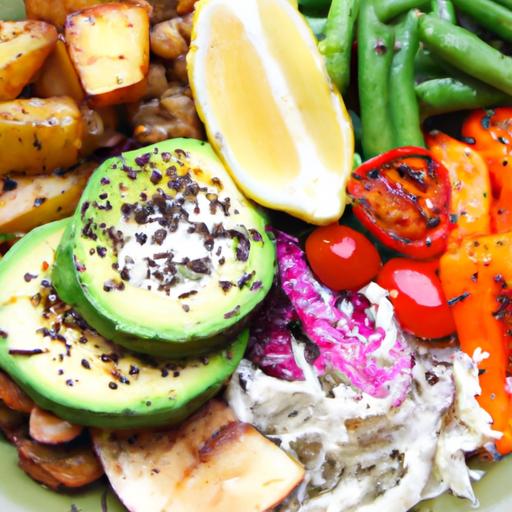

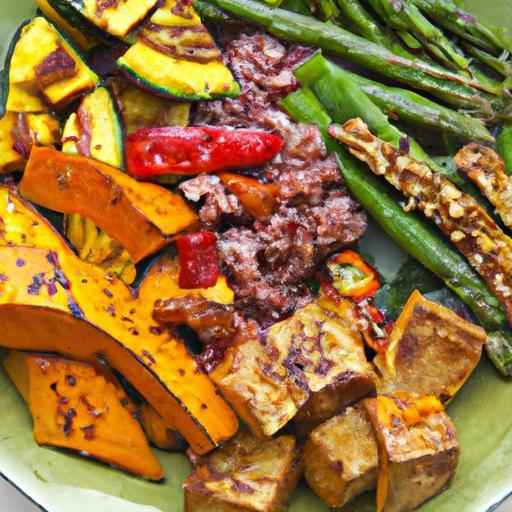
In a world that’s constantly on the go, finding meals that are both nourishing and effortless can feel like a quest. enter the Vegan Buddha Bowl with Roasted Veggies-a vibrant, wholesome dish that’s as visually stunning as it is packed with nutrients. Bursting with colorful roasted vegetables, hearty grains, and fresh greens, this bowl is a party of plant-based goodness that fuels your body and delights your palate. Whether you’re a seasoned vegan or simply curious about adding more plants to your plate, this recipe offers a balanced, satisfying way to nourish yourself from the inside out. Let’s dive into the art of creating a bowl that’s not just food, but a mindful feast for your body and soul.
Nourish Your Body: Vegan Buddha Bowl with Roasted Veggies
Nourish your body with this colorful, nutrient-packed vegan buddha bowl that celebrates the vibrant flavors and textures of perfectly roasted veggies combined with wholesome grains and plant-based proteins. Inspired by ancient Ayurvedic principles and modern clean eating trends,this bowl is not just a meal-it’s a celebration of holistic wellness,designed to energize,detoxify,and satisfy. whether you’re new to plant-based eating or a seasoned vegan, assembling this bowl is a joyful ritual of nourishing both body and soul.
Prep and Cook Time
- Planning: 15 minutes
- Roasting: 25 minutes
- Total Time: 40 minutes
Yield
Serves 2 generously (perfect for lunch or light dinner)
Difficulty Level
Easy – beginner-friendly with flexible ingredient options
ingredients
- 1 cup quinoa, rinsed
- 2 cups water or vegetable broth
- 1 medium sweet potato, peeled and cubed
- 1 red bell pepper, sliced into strips
- 1 small head of broccoli, cut into florets
- 1 zucchini, chopped into half-moons
- 2 tbsp olive oil
- 1 tsp smoked paprika
- 1/2 tsp turmeric powder
- Salt and black pepper, to taste
- 1 cup canned chickpeas, drained and rinsed
- 2 cups mixed baby spinach and kale leaves, washed
- 1 avocado, sliced
- 2 tbsp tahini
- Juice of 1 lemon
- 1 garlic clove, minced
- 1 tbsp maple syrup
- 2 tbsp water, to thin the dressing
- 1 tbsp toasted sesame seeds or pumpkin seeds, for garnish
- Fresh cilantro or parsley, chopped (optional)
Instructions
- Cook the quinoa: In a medium saucepan, bring 2 cups of water or vegetable broth to a boil. Add quinoa,reduce heat to low,cover,and simmer for 15 minutes or until water is absorbed and quinoa is fluffy. Fluff with a fork and set aside.
- Prepare the veggies: Preheat your oven to 425°F (220°C). Toss the sweet potato cubes,red bell pepper strips,broccoli florets,and zucchini pieces in olive oil,smoked paprika,turmeric,salt,and black pepper until evenly coated.
- Roast the vegetables: Spread the veggies on a large baking sheet in a single layer. Roast for 20-25 minutes, flipping onc halfway through, until edges caramelize and veggies are tender but still hold their shape.
- Warm the chickpeas: In the last 5 minutes of roasting, add chickpeas to the baking sheet to warm and get lightly crispy. This adds texture and depth of flavor.
- Prepare the dressing: In a small bowl, whisk together tahini, lemon juice, minced garlic, maple syrup, and water until smooth and creamy.Adjust water quantity for desired consistency.
- Assemble the bowl: Divide cooked quinoa evenly into two bowls. Arrange the roasted veggies and chickpeas artistically atop the quinoa. Add a generous handful of baby spinach and kale leaves, and top with fresh avocado slices.
- Finish with dressing and garnishes: Drizzle the tahini dressing over each bowl, sprinkle with toasted sesame or pumpkin seeds, and scatter fresh herbs if using.Serve immediately for a warm, vibrant, and wholesome feast.
Chef’s Notes
- veggie swaps: Feel free to substitute seasonal vegetables such as Brussels sprouts, cauliflower, or carrots based on availability and preference.
- Protein boost: Add roasted tofu, tempeh, or cooked lentils instead of chickpeas for variety in plant proteins.
- Meal prep friendly: Roast veggies and cook quinoa up to 3 days ahead. Store separately and assemble fresh just before eating.
- Spice it up: Add a pinch of cayenne or ground cumin to the spice mix for an extra kick.
- Batch dressing: Make a double batch of tahini dressing and keep refrigerated for up to a week-a perfect go-to for many plant-based meals.
Serving Suggestions
Present this nourishing bowl in a wide, shallow dish to showcase the palette of colors and textures. Garnish further with lemon wedges for a fresh zest or sprinkle of dukkah spice blend for crunch. Pair with a side of crunchy homemade flatbread or a refreshing cucumber mint salad to enhance the meal’s vibrancy.A cup of green tea or infused water with citrus and herbs beautifully complements the clean and radiant flavors.

Balanced Nutritional Overview
| Nutrition | Per Serving |
|---|---|
| Calories | 450 kcal |
| Protein | 18 g |
| Carbohydrates | 55 g |
| Fat | 15 g |
Explore More
Discover other nourishing ideas to build your vibrant plant-based meals and enhance your wellness journey.
For more in-depth insights on how plant-based diets contribute to overall health, visit the Harvard T.H.Chan School of Public Health.
Q&A
Q&A: Nourish Your Body with a Vegan Buddha Bowl Featuring Roasted Veggies
Q1: What makes a Buddha bowl an ideal meal for nourishing the body?
A1: Buddha bowls are colorful, nutrient-packed meals that combine a variety of whole foods-grains, veggies, proteins, and healthy fats-into one harmonious dish. They’re balanced in macronutrients and loaded with vitamins, minerals, and fiber, perfect for fueling your body and satisfying your palate.
Q2: Why focus on roasted vegetables in this vegan Buddha bowl?
A2: Roasting veggies caramelizes their natural sugars, intensifying flavors and adding a delightful depth to the dish. It’s a simple technique that transforms humble vegetables into tender, savory morsels brimming with nutrients and antioxidants.
Q3: Which vegetables are best for roasting in this bowl?
A3: Root vegetables like sweet potatoes, carrots, and beets fare beautifully when roasted, developing a sweet, nutty flavor.Cruciferous veggies such as broccoli or Brussels sprouts also become irresistibly crispy and flavorful. A mix of textures and colors not only nourishes but also makes the bowl visually inviting.
Q4: how can one ensure their vegan Buddha bowl contains enough protein?
A4: Plant-based proteins like chickpeas, lentils, tofu, tempeh, or edamame are excellent choices. These ingredients complement the roasted veggies perfectly, helping to create a satiating meal that supports muscle repair and overall vitality.
Q5: What grains pair well with the roasted veggies in this Buddha bowl?
A5: Whole grains such as quinoa, brown rice, or farro offer a chewy, hearty base. Their nutty flavors and complex carbohydrates provide sustained energy and help tie the bowl’s components together cohesively.
Q6: Can you suggest a simple dressing to elevate this vegan Buddha bowl?
A6: A tangy tahini-lemon dressing or a zesty miso-ginger vinaigrette works wonders. These dressings add creaminess and a burst of flavor, balancing the sweetness of roasted vegetables and grounding the bowl with bright, savory notes.
Q7: how can I customize this Buddha bowl to suit different tastes or seasonal produce?
A7: Feel free to swap in seasonal vegetables-think roasted asparagus in spring or butternut squash in fall-or switch up the grain and protein options. Adding fresh herbs, nuts, or seeds can also add texture and flavor variety, making each bowl your own unique creation.
Q8: What are some tips for preparing this dish efficiently on busy days?
A8: batch roasting vegetables and cooking grains in advance can save valuable time. Store components separately in the fridge, then assemble your Buddha bowl quickly when hunger calls.This strategy keeps the veggies crisp and the grains perfectly textured.
Q9: How does this vegan Buddha bowl support overall wellness?
A9: By combining fiber-rich vegetables,plant proteins,and whole grains,the bowl aids digestion,promotes heart health,and stabilizes blood sugar. It’s a colorful canvas of nourishment that revitalizes both body and mind.
Q10: Where did the name “buddha bowl” originate?
A10: The term “Buddha bowl” is said to derive from the idea of a bowl filled so abundantly it forms a rounded mound-resembling the fullness of Buddha’s belly, symbolizing satiety, contentment, and balance. It’s more than a meal; it’s a celebration of mindful eating and nourishment.
The Conclusion
As you savor each vibrant forkful of your vegan Buddha bowl, remember that nourishing your body is an act of self-love and mindful intention. This colorful medley of roasted veggies, hearty grains, and wholesome plant-based ingredients not only delights your palate but fuels your day with vitality and balance. Let this bowl be more than just a meal-let it be a celebration of nature’s bounty and a simple reminder that eating well is one of the most empowering gifts you can give yourself. So, go ahead, experiment with flavors, embrace the season’s freshest produce, and nourish your body with every colorful bite. Your journey to wellness starts here-one bowl at a time.