
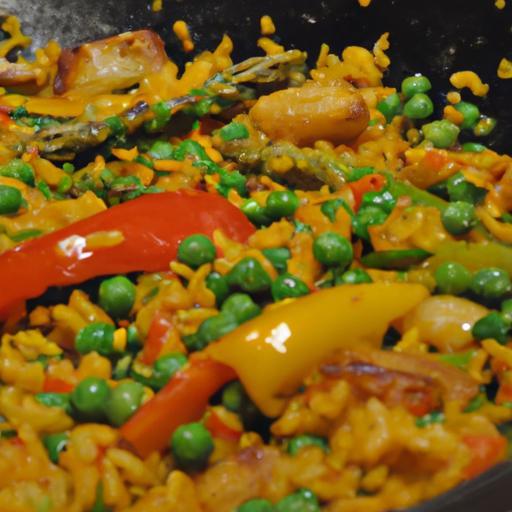
Bursting with vibrant colors and rich aromas, vegetable paella is a party of nature’s bounty and centuries-old culinary tradition. More than just a meal, this iconic Spanish dish invites you on a sensory journey through sun-drenched fields and bustling markets, where every grain of saffron-infused rice and tender vegetable tells a story. In “Savor the Flavor: A Guide to Authentic Vegetable Paella,” we’ll uncover the secrets behind crafting this timeless masterpiece-honoring its heritage while embracing the freshest ingredients. Whether you’re a seasoned cook or a curious food lover, prepare to awaken your palate and bring the heart of Spain straight to your table.
Savor the Flavor: from the very first bite, the essence of an authentic vegetable paella surprises and delights with its harmonious medley of textures and vibrant colors. Rooted in the rich culinary traditions of Valencia, this dish transforms humble ingredients into a masterpiece of taste and visual appeal. Choosing the freshest,most vibrant vegetables sets the stage for a garden-fresh profile that bursts through every mouthful.
Prep and Cook Time
- Planning: 25 minutes
- Cooking: 45 minutes
- Total Time: 1 hour 10 minutes
Yield
Serves 4 generous portions
Difficulty Level
Medium – perfect for home cooks ready to deepen their skills with classic Spanish techniques
Ingredients
- 2 tbsp extra virgin olive oil
- 1 large onion, finely chopped
- 4 garlic cloves, minced
- 1 red bell pepper, diced
- 1 green bell pepper, diced
- 1 medium tomato, grated or finely chopped
- 1 cup green beans, trimmed and halved
- 1 cup artichoke hearts, fresh or frozen, quartered
- 1 zucchini, sliced into half-moons
- 1 ½ cups Bomba rice or short-grain paella rice
- 4 cups homemade or high-quality vegetable broth, warm
- ½ tsp smoked paprika
- A pinch of saffron threads, soaked in 2 tbsp warm broth
- Salt and freshly ground black pepper, to taste
- Fresh parsley, chopped for garnish
- Lemon wedges, for serving
Instructions
- Heat olive oil in a wide, shallow paella pan over medium heat. Add the finely chopped onion and sauté gently until soft and translucent, about 5 minutes.
- Add the minced garlic and diced bell peppers,stirring continuously to prevent burning. Cook for another 4-5 minutes until the peppers soften and release their vibrant aroma.
- Introduce the grated tomato and a pinch of salt, stirring to combine. Let this mixture simmer gently, stirring occasionally, for about 10 minutes. This preparation is your foundational sofrito, the heart of the dish that intensifies the flavor profile.
- Stir in the green beans, artichoke hearts, and zucchini. Cook for 3-4 minutes, allowing the vegetables to mingle with the sofrito’s rich base.
- Pour in the Bomba rice, stirring for a minute until each grain is lightly coated in the sofrito and oil-this seals in flavor and texture.
- Add the smoked paprika and the saffron-infused broth alongside the remaining vegetable stock.Distribute the rice evenly, shaking the pan gently to level the mixture. Avoid stirring beyond this point to promote the advancement of the sought-after socarrat.
- Simmer over medium heat for 15 minutes, then reduce to low and cook uncovered for an additional 10-15 minutes, or until the rice grains are tender but still firm in the center. Carefully monitor the liquid; add a touch more warm broth if needed to prevent burning but do not stir.
- Increase heat for 1-2 minutes at the very end to encourage the socarrat crust-the prized, golden caramelized bit at the bottom that defines paella’s irresistible character.
- Remove pan from heat, cover with a clean kitchen towel, and let rest for 5 minutes. This resting phase allows the flavors to meld and the rice to finish steaming.
- Garnish with freshly chopped parsley and lemon wedges. Serve directly from the pan for an authentic and vibrant presentation.
Chef’s Notes
- To maximize vegetable freshness, choose seasonal produce with radiant colors and firm textures.Organic options often yield the best flavor.
- The sofrito is your flavor powerhouse-never rush it. Slow cooking the base vegetables unlocks deep, caramelized sweetness that lifts the entire dish.
- If Bomba rice is unavailable, opt for another short-grain rice that absorbs liquids well without turning mushy.
- The socarrat crust can be tricky. Listen for a gentle crackling sound when increasing heat at the end; if you smell burning, reduce immediately.
- Make-ahead tip: Prepare the sofrito and vegetable mix a day before, refrigerate, and assemble fresh when ready to cook.
Serving Suggestions
Present your vegetable paella on a rustic wooden board or a colorful ceramic platter to enhance its festive, communal spirit.Garnish with sprigs of fresh parsley and bright lemon wedges for a zesty contrast.Pair with a chilled Spanish sparkling water or a light herbal iced tea for a refreshing complement. Encourage guests to savor each aromatic, textured bite-paella is as much about sharing warmth as it is about flavor.
| Nutrient | Per Serving |
|---|---|
| Calories | 320 kcal |
| Protein | 8 g |
| Carbohydrates | 55 g |
| Fat | 7 g |

For those intrigued by further Spanish vegetarian delights, explore our Spanish Vegetarian Tapas article. To deepen your understanding of saffron’s unique role in traditional dishes, visit Saffron Kingdom’s culinary history.
Q&A
Q&A: Savor the Flavor – A Guide to Authentic vegetable Paella
Q1: What is vegetable paella, and how does it differ from traditional paella?
A1: Vegetable paella is a vibrant, plant-based twist on the classic Spanish dish traditionally made with seafood or meat. Instead of animal proteins, it celebrates the bounty of fresh vegetables, aromatic herbs, and the iconic saffron-infused rice that defines paella’s soul. This version is both colorful and hearty, perfect for savoring the Mediterranean’s garden flavors without compromising on authenticity.
Q2: What are the essential ingredients that capture the authentic flavor of a vegetable paella?
A2: The heart of any authentic paella lies in its rice-typically a short-grain variety like Bomba or Calasparra-which absorbs all the rich flavors. Key ingredients include olive oil, fresh garlic, onions, tomatoes, bell peppers, artichokes, green beans, peas, and tender chunks of zucchini or eggplant.and of course, saffron is indispensable, imparting that distinctive golden hue and subtle earthy aroma. Smoked paprika and fresh parsley also play vital supporting roles.
Q3: How critically important is the saffron,and can it be substituted?
A3: Saffron is the jewel of paella’s flavor profile,providing a warm,aromatic depth and the signature golden color. While it can be pricey, using even a pinch elevates the dish inauthentically. Substituting saffron is tricky; turmeric can mimic the color but lacks the complex flavor. For a true experience, investing in good-quality saffron is well worth it.
Q4: What cooking vessel is ideal for making vegetable paella?
A4: An authentic paella pan-wide, shallow, and typically made of carbon steel-ensures that the rice cooks evenly and develops the coveted socarrat, a crispy caramelized layer at the bottom.Its design allows for maximum evaporation, concentrating flavors. If a traditional paella pan isn’t available, a large skillet with low sides can be a workable substitute.Q5: Can vegetable paella be made entirely on a stovetop, or is an open flame preferred?
A5: While traditional paella is frequently enough prepared over an open flame or grill for even heat distribution, it can absolutely be made on a stovetop. The key is controlling the heat to avoid burning while allowing the rice to cook thoroughly and develop socarrat. Using a heavy, wide pan and evenly distributing heat will help mimic the authentic cooking experience.
Q6: What tips ensure the rice cooks perfectly in vegetable paella?
A6: Patience is key. Start by sautéing the vegetables to build flavor, then gently add the rice to toast slightly before adding broth. Use a flavorful vegetable stock, warm and added steadily without stirring, to coax the rice into absorbing rich tastes.Avoid stirring once the broth is added - this helps form the socarrat crust and maintains the rice’s ideal texture.
Q7: How can I customize vegetable paella while keeping it authentic?
A7: Authenticity comes from technique and balance rather than strict ingredients. Feel free to incorporate seasonal vegetables such as asparagus, artichoke hearts, or roasted red peppers to reflect fresh flavors. Just be mindful to keep a harmonious ratio between rice, broth, and veggies and to maintain the saffron’s presence and cooking method.
Q8: What makes the socarrat so special, and how can I achieve it in a vegetable paella?
A8: Socarrat is the bottom layer of rice slightly toasted against the pan, creating a golden, crunchy texture that contrasts beautifully with tender grains above.To get this, cook the paella undisturbed at medium-high heat toward the end, listening for a gentle crackling sound. Resist stirring and watch carefully to avoid burning. Achieving socarrat is a rewarding hallmark of true paella mastery.
Q9: Can vegetable paella be served cold or reheated without losing its charm?
A9: Paella is best enjoyed fresh and warm, when flavors are vivid and textures optimal. Having mentioned that, leftovers can be gently reheated with a splash of broth or water to revive softness. Serving it cold turns it more into a rice salad, which is flavorful in its own right but diverges from the traditional warm, vibrant dish.
Q10: How does vegetable paella fit within the broader Spanish culinary tradition?
A10: Vegetable paella honors Spain’s rich agricultural heritage by highlighting earthy,seasonal produce in a communal dish traditionally shared at gatherings. It reflects the spirit of adaptability and respect for local ingredients, preserving paella’s essence while catering to vegetarian palates. Its a celebration of flavor, color, and the joy of cooking together.
Concluding Remarks
As the final grains of saffron-kissed rice settle and the vibrant medley of fresh vegetables dances on your palate, you’ve not onyl uncovered a recipe-you’ve embraced a tradition.Authentic vegetable paella is more than a dish; it’s a celebration of color,culture,and careful craftsmanship. By mastering its layers of flavor and honoring its roots, you invite a little piece of Spain into your kitchen. So next time hunger calls, let this guide remind you that savoring the flavor is as much about the journey as it is the meal. Happy cooking, and ¡buen provecho!